

Boydes Exterminating Co
Insect Control in Columbus, OH
Insect control in Columbus, OH works when the treatment matches the bug, because an ant colony, a flea outbreak and a silverfish problem have almost nothing in common. Boydes Exterminating Co identifies the insect first, finds where it lives and then picks the method, working from our Dunning Rd base on the northeast side.
- Serving Columbus since 1990
- 4.5★ from 55 Google reviews
- Owner-run, based on Dunning Rd
- One-time or recurring service
This page maps the household insects of central Ohio, shows how the seasons change the list and explains how a visit runs. Every insect below has its own page, so jump straight to yours.
Which insects do we treat around Columbus?
We treat the insects people actually find in Franklin County homes, from the everyday to the odd. The table below sends you to the page for each one, with what you tend to notice first and what shapes the plan.
| Insect | Where you usually notice it | What shapes the treatment |
|---|---|---|
| Ants | Kitchen counters, bathrooms, trails along baseboards | Which species it is, and where the colony sits |
| Carpenter ants | Big black ants near sinks, windows and roof lines | Finding the damp wood they nest in |
| Fleas | Ankles, pet bedding, carpet, couch cushions | Treating the pet, the house and the yard together |
| Spiders | Basements, garages, window frames, stored boxes | Webs versus wandering hunters, and what they feed on |
| Silverfish | Bathrooms, laundry rooms, stored paper and fabric | Humidity and hiding places |
| Earwigs | Mulch beds, damp foundations, bath mats | Moisture along the foundation |
| Mites | Pinpoint specks on sills, itchy bites with no visible bug | Which kind of mite, since each has a different source |
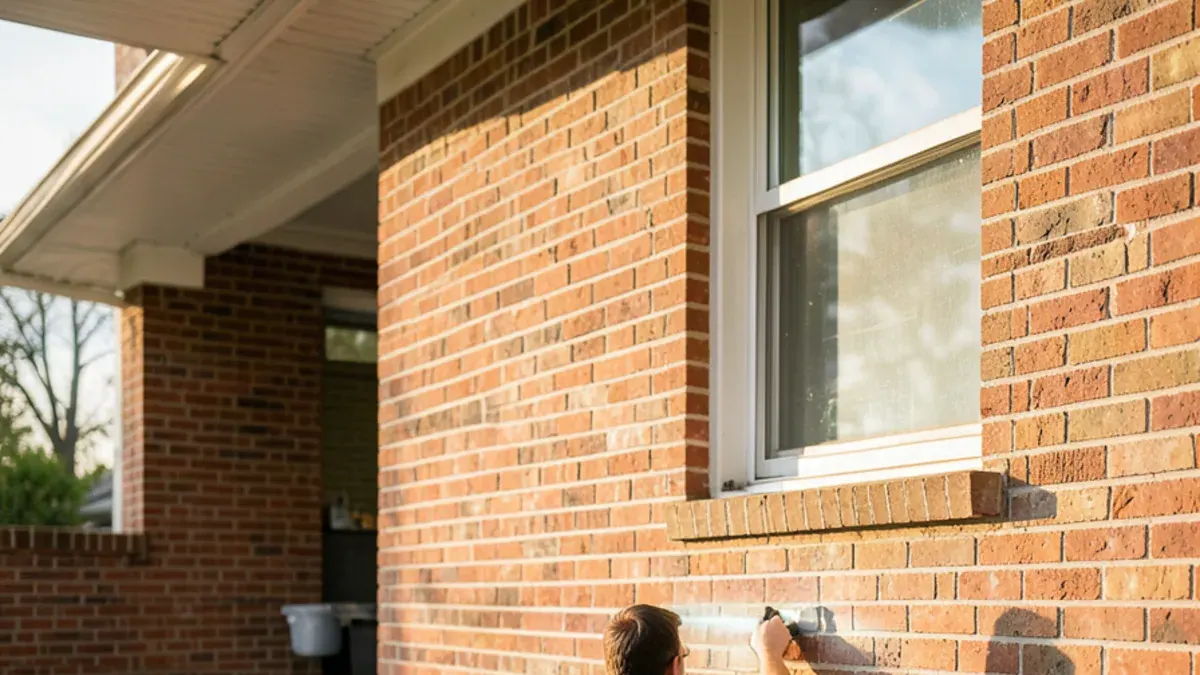
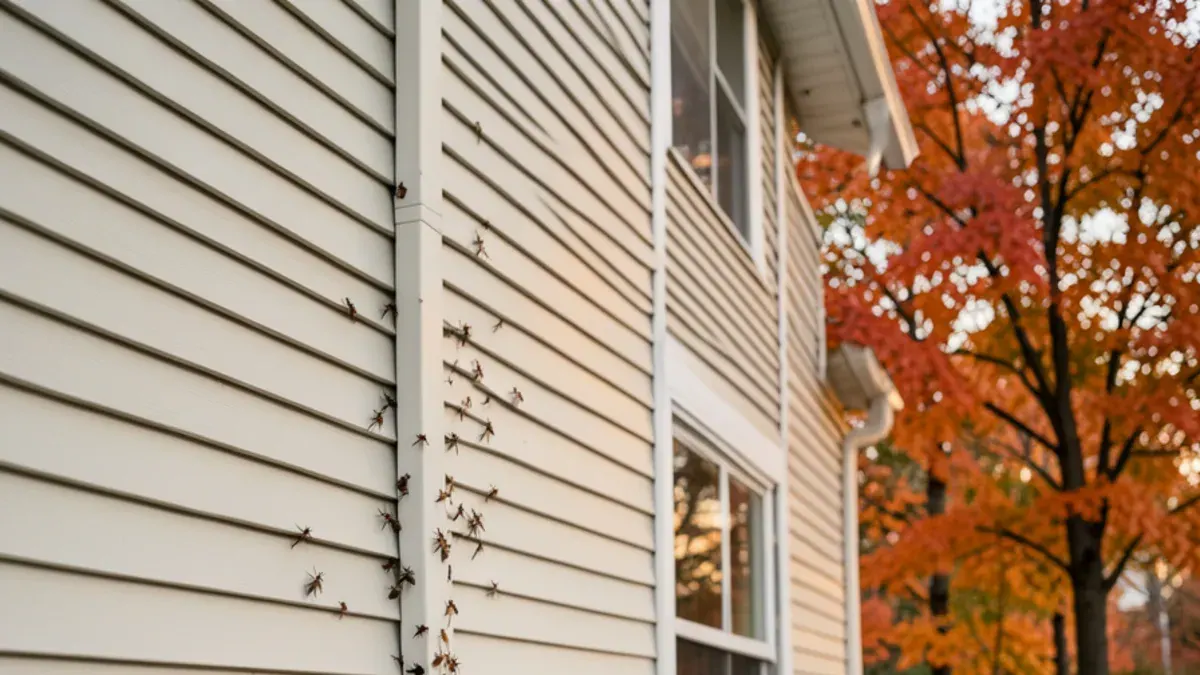
| Stink bugs | Sunny walls and window frames in fall | Sealing entry points before they cluster |
| Flies | Drains, trash areas, windows, kitchens | Finding the breeding spot, not just swatting |
| Mosquitoes and ticks | Shaded yards, standing water, tall grass edges | Yard conditions and the time of season |
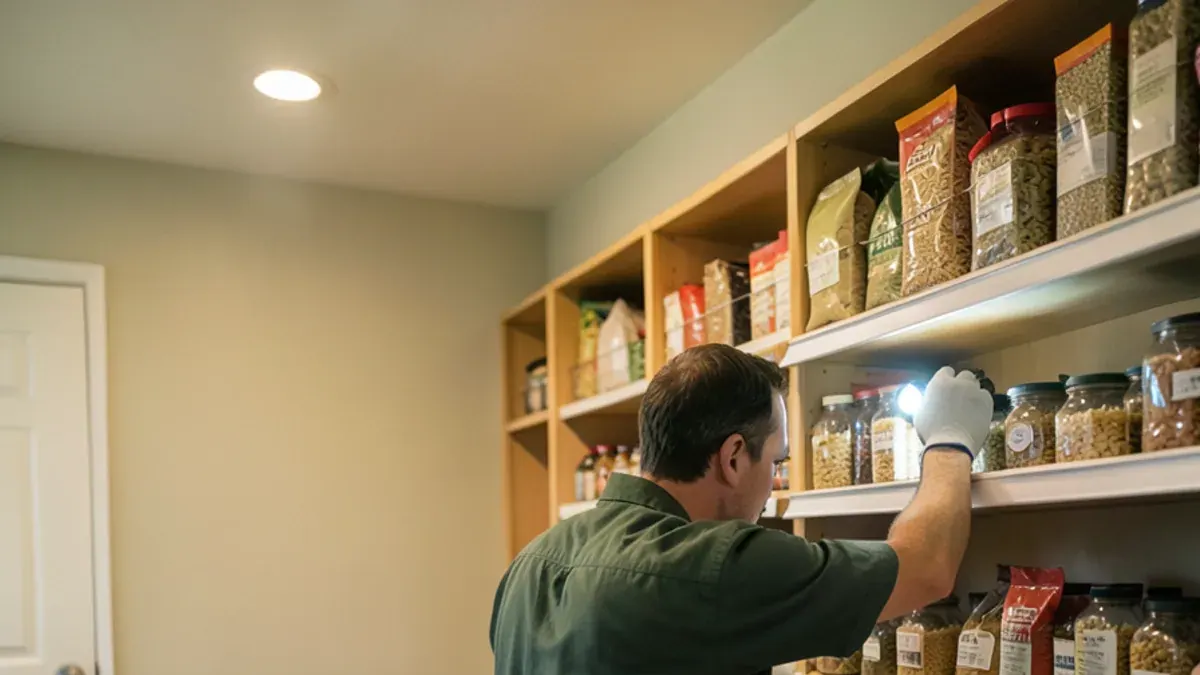
| Pantry pests | Flour, cereal, pet food, spice cabinets | Tracking down the infested package |
| Centipedes and millipedes | Damp basements, bathrooms, window wells | Cutting the moisture and the insects they hunt |
Wasps, hornets, bees and bed bugs are handled in their own sections of the site. If your bug is not in the table, call and describe it. We can usually name it from a description or a photo.
How do I identify a bug I found in my home?
Identification decides everything, so slow down before you spray. A few details narrow it quickly:
- Where you found it: kitchen, bathroom, basement, bedroom or outside wall
- When you saw it: in daylight, at night or only after rain
- Its shape: wings or no wings, narrow waist, flat body, jumping legs
- Its size next to a coin, and its color
- Whether there is more than one, and whether they follow a line
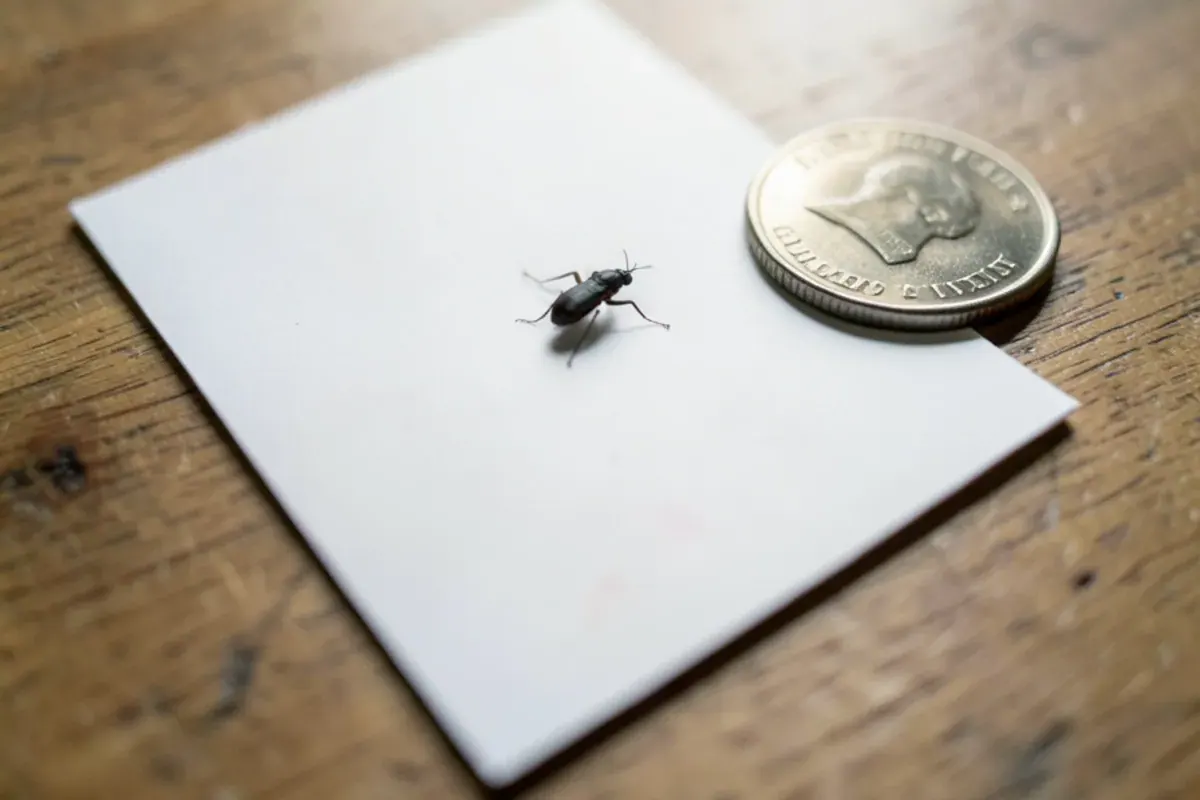
Take a sharp photo with a coin beside the insect, or catch one under a glass or a strip of clear tape. Guessing wrong is how people end up spraying the wrong bug while the real source keeps going. If the photo is blurry, a sealed specimen settles it faster than any description.
Not sure what the bug is?
Send a photo or describe it when you call. Naming the insect is the first thing we do, and it often saves you a wasted spray.
- Serving Columbus since 1990
- 4.5★ from 55 Google reviews
- Owner-run, based on Dunning Rd
- One-time or recurring service
Prefer to write it down?
Calling is fastest. The form comes to the same desk, and we call you back during business hours.
Call (209) 563-1650When is insect season in central Ohio?
Columbus has four real seasons, so the pest list rotates. Roughly:
| Season | What people call about |
|---|---|
| Spring | Ants coming out of winter, carpenter ant swarmers, earwigs near fresh mulch, early ticks |
| Summer | Mosquitoes, fleas, flies, spiders on porches and in garages, ants in kitchens |
| Fall | Stink bugs and boxelder bugs on sunny walls, spiders and centipedes moving indoors, pantry pests |
| Winter | Silverfish, pantry pests, fleas riding on pets, spiders in basements |
Bugs that come indoors in fall are looking for warmth, not food. Our guide to stink bugs and boxelder bugs in central Ohio covers that wave, and the mosquito season month-by-month guide covers the warm months.
Which household insects bite in central Ohio?
Bites send many people looking for an exterminator, but the bite rarely names the bug. Fleas bite ankles and lower legs, usually after a pet has brought them in. Mosquitoes and ticks bite outdoors, in shade and tall grass. Mites can leave itchy marks with no insect in sight. Bed bugs bite at night, and they have their own page.
Spiders get blamed more often than they deserve, since most house spiders in Ohio are after other insects and not after you. Look for the insect before you decide. Fleas on a white sock, a tick on a pet and a dark seam spot on a mattress each point to a different plan. Our flea control page and mite control page show what to look for.
Why do Columbus homes keep getting household insects?
The city's housing is part of it. The median Columbus home was built in 1980, and about 56% of homes are rented (ACS 2019-23). Older houses have more gaps around pipes, sills and foundations, and shared walls in rentals let insects travel between units.
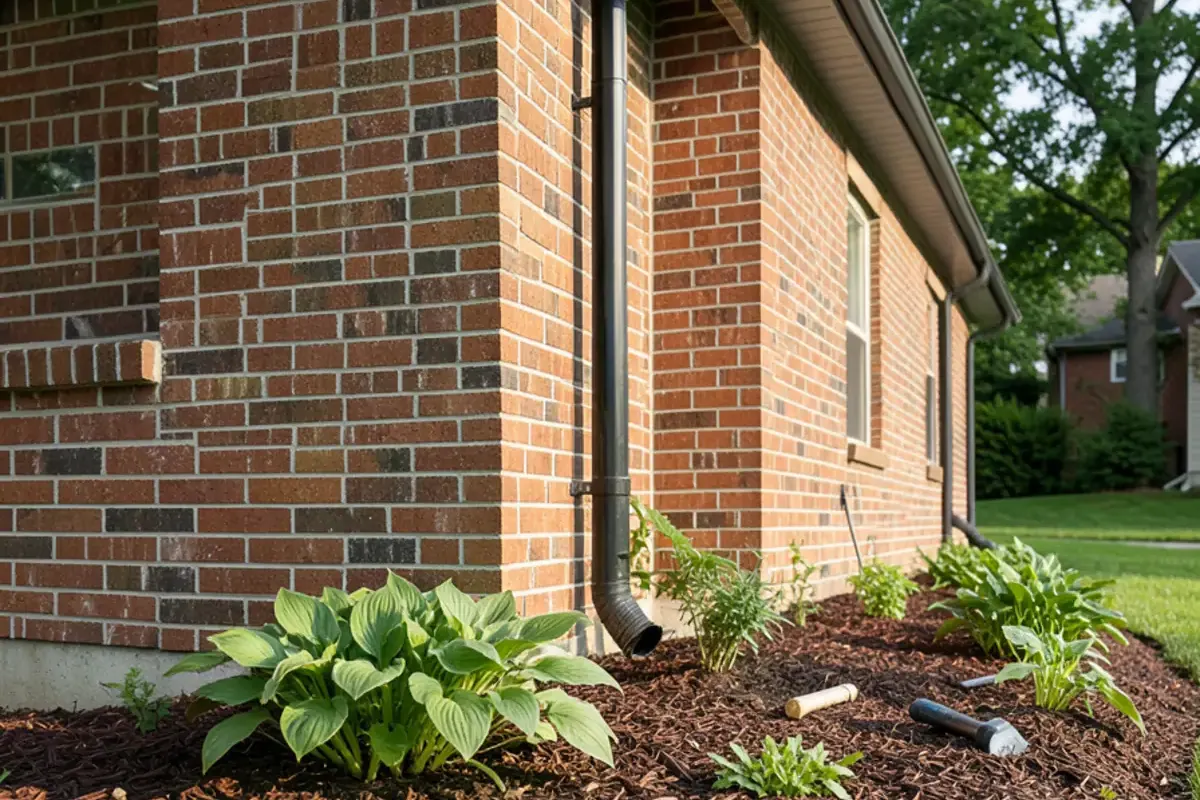
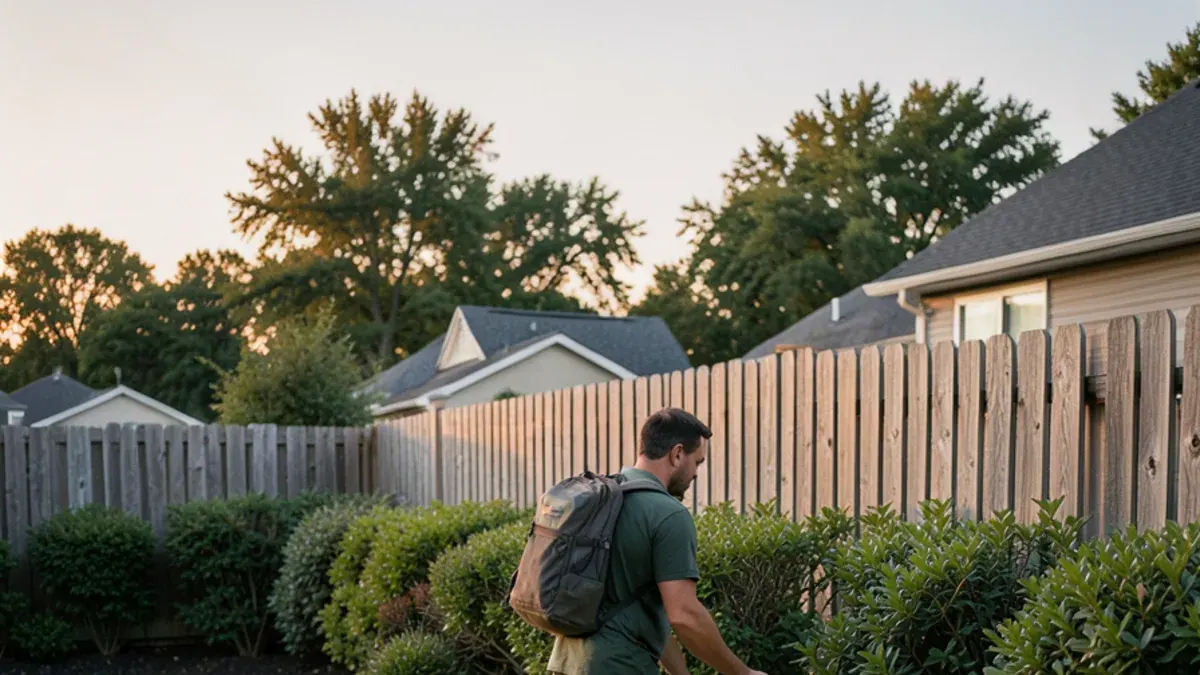
The rest is yard and moisture. Mulch beds against the foundation, downspouts that dump beside the wall and damp basements make a comfortable home for earwigs, silverfish, centipedes and carpenter ants. None of it is a housekeeping failure.
Columbus Health Code §221.03 requires dwellings to be kept insect-free and says openings of half an inch or more within 48 inches of the ground should be sealed (Columbus Public Health). The same code makes the owner of a building with two or more units responsible for eliminating pests.
What happens during an insect control visit?
- We identify the insectWe look at the bug, the damage and the location, then confirm what it is. The species decides the method.
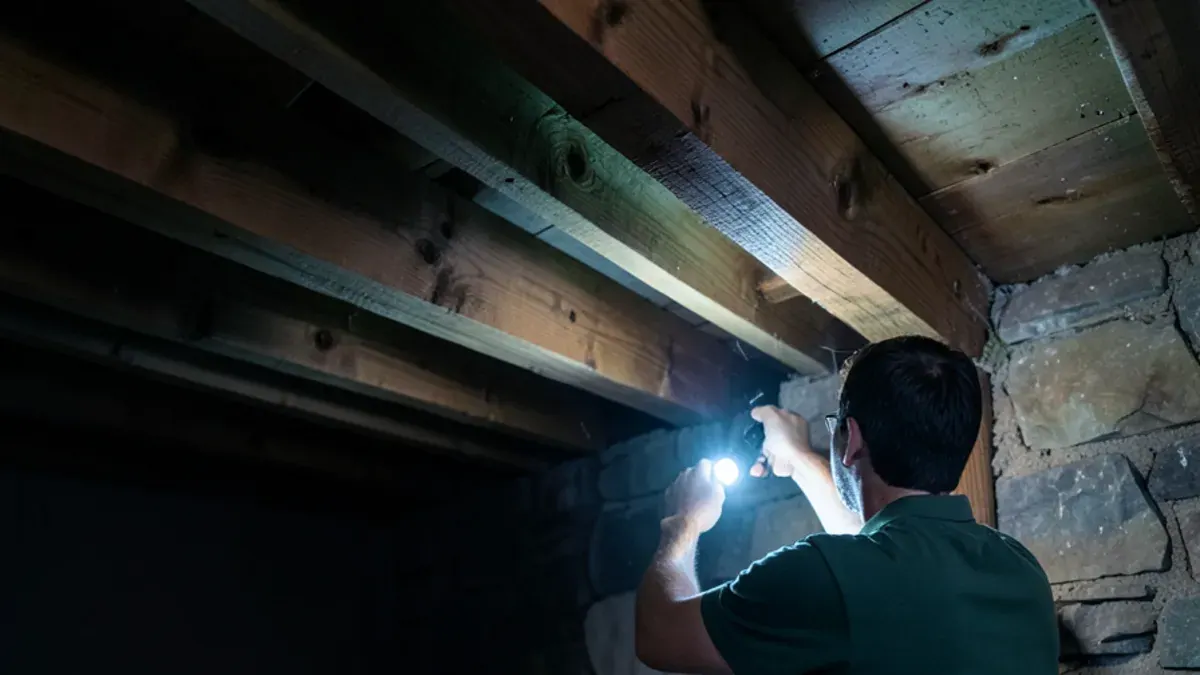
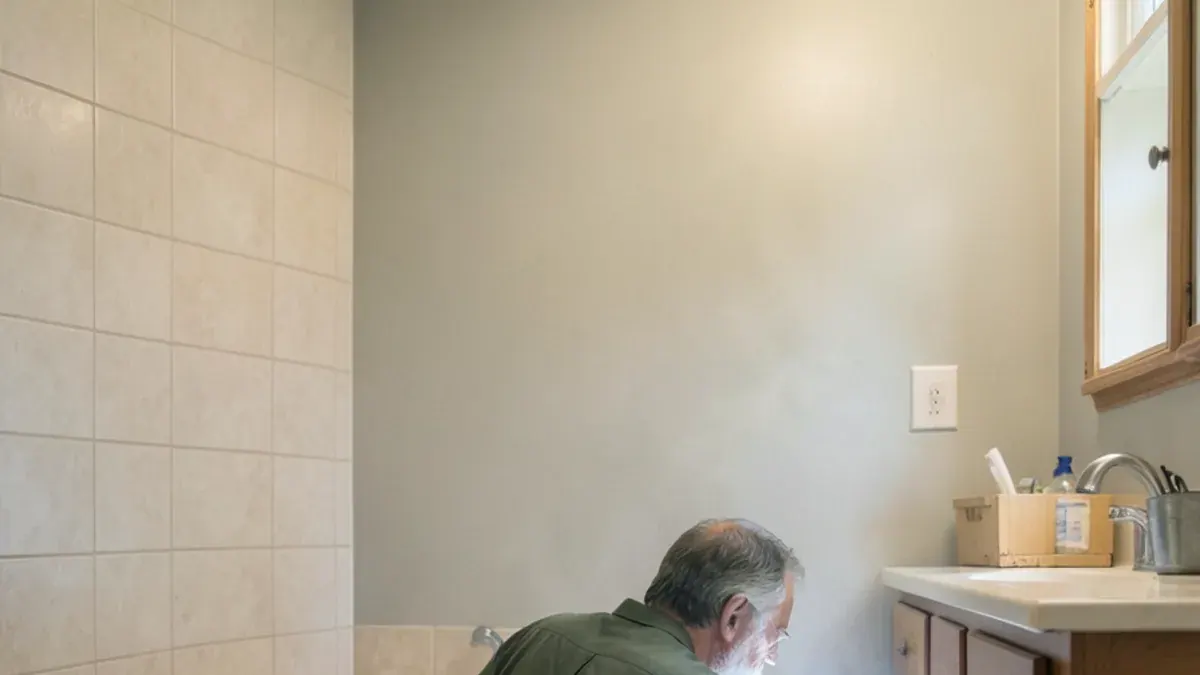
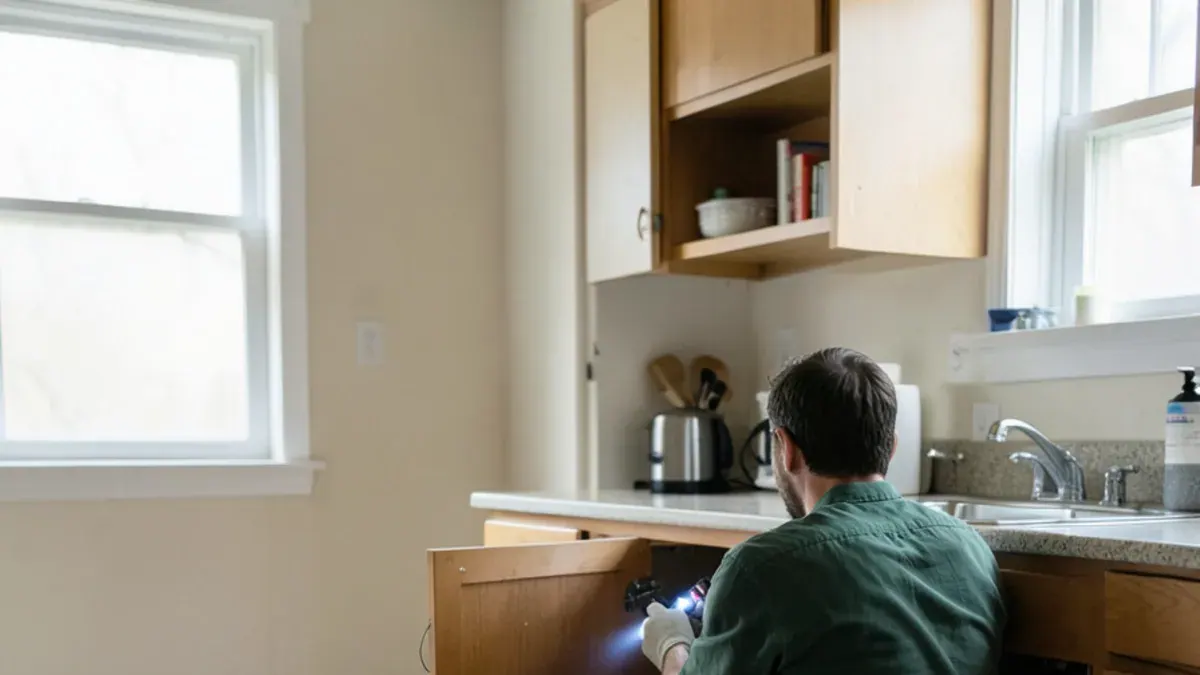
- We inspect inside and outFoundations, door and window frames, basements, kitchens, bathrooms and the yard edge all get a look. We are searching for the source, not just the insects in sight.
- We ask about pets, kids and allergiesWe ask at every visit and plan around the answers, including what to move or cover before we start.
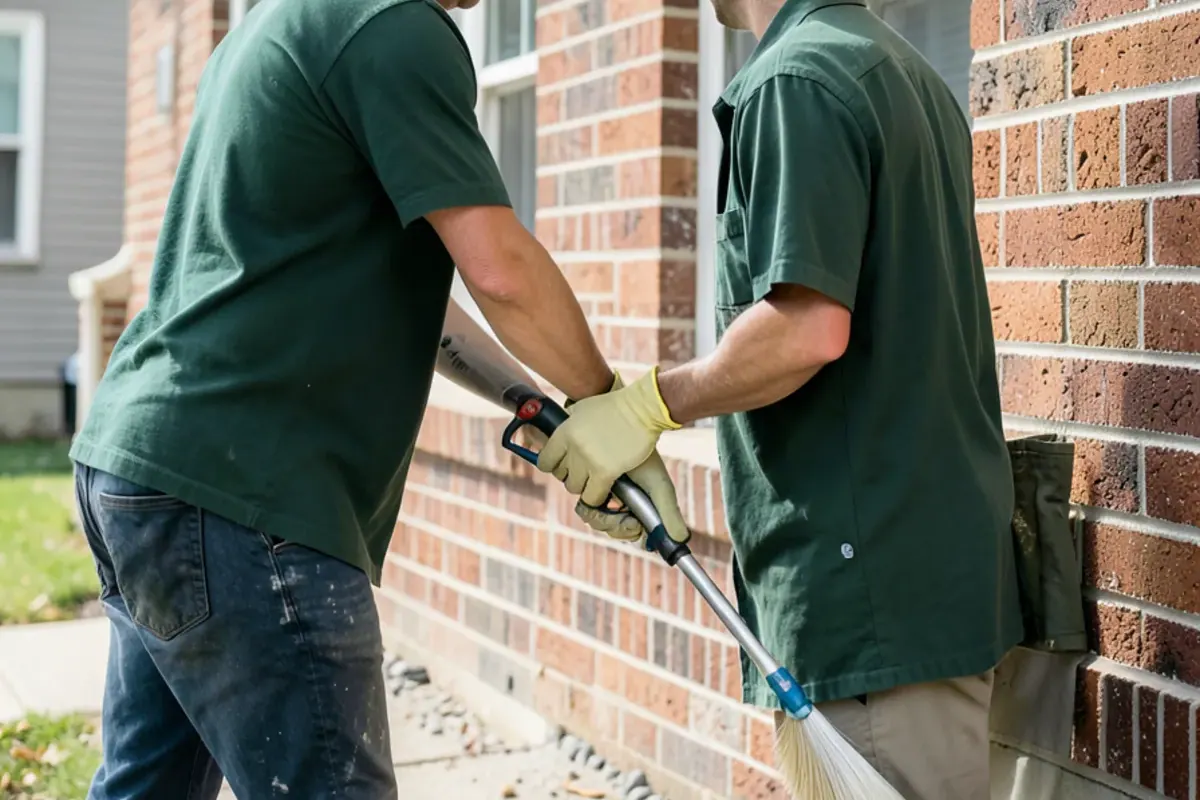
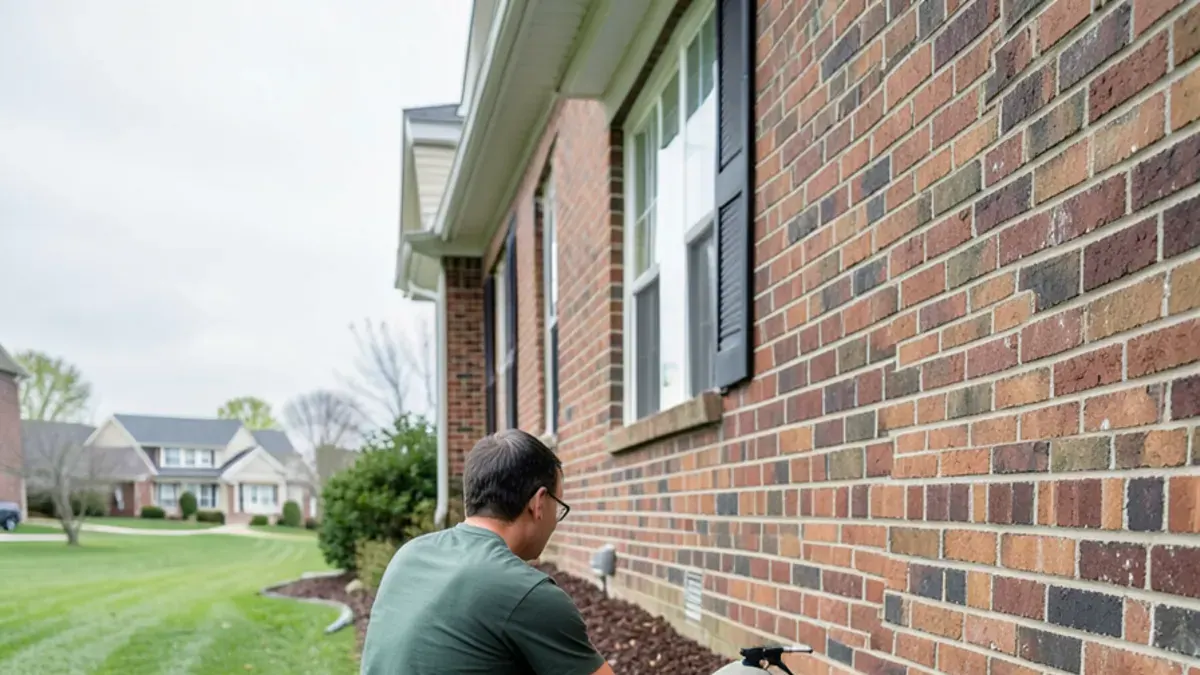
- We treat the sourceDepending on the insect, that means a perimeter treatment (a band of product applied around the foundation), crack and crevice work in the places insects hide, baits, or moisture and entry-point advice. Products go on per label directions.
- We explain the follow-upYou get the label's re-entry time and a plan for return visits, which can run biweekly, monthly, bimonthly or as needed.
How much does bug control cost in Columbus?
We price by the type of insect and the extent of the problem. A few ants in one kitchen and an infestation spread through a duplex are different jobs, and we explain the price before work starts. Reviews of our pricing use the word fair and mention no surprise charges.
For a rough outside reference, CityCostData (December 2025) shows $99-$605 per general pest visit in Columbus. That is a third-party estimate, not our quote. The things that move the number are:
- How many rooms or how much of the property is affected
- Whether the problem is indoors, outdoors or both
- The insect, since some need a single visit and others need a course
- Whether you want one-time service or recurring visits
- Access to crawl spaces, attics and yard areas
How do I keep insects out between visits?
Treatment handles what is there. These habits keep the next wave from settling in:
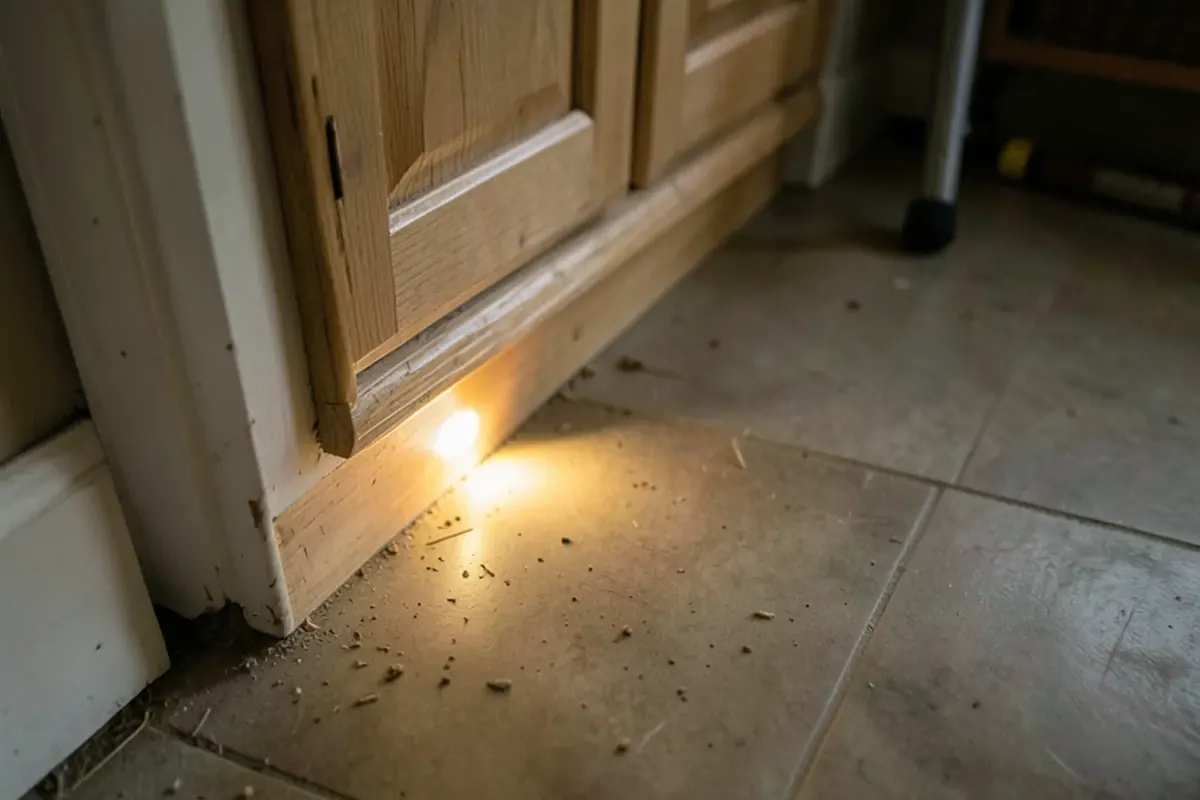
- Pull mulch back from the foundation and siding so there is a clear strip of dry ground
- Aim downspouts and sprinklers away from the walls
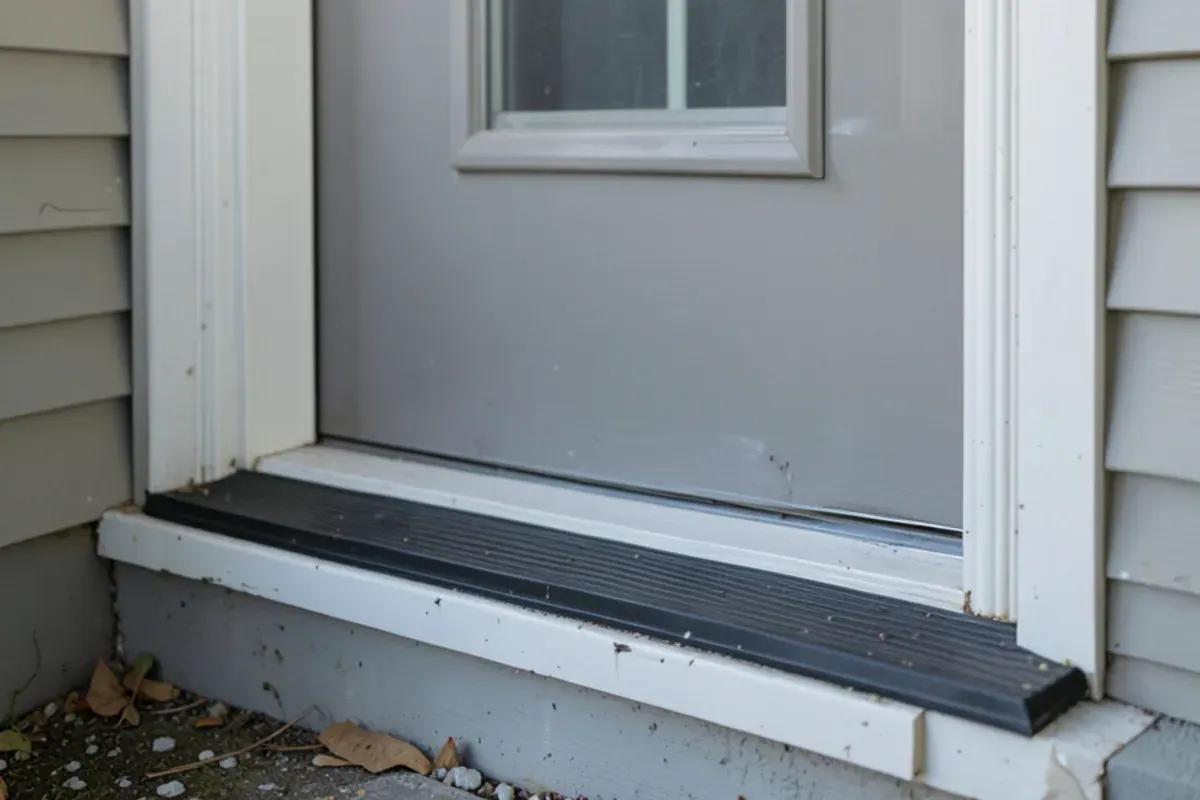
- Seal gaps around pipes, vents and utility lines, and fit sweeps on exterior doors
- Store food, pet food and dry goods in sealed containers
- Run a dehumidifier in damp basements and fix slow leaks
- Fix torn window screens before the warm months
Our spring ant and insect prevention checklist lays these out by month. Ants return most often after a spray that only killed the visible workers, which our guide on why ants keep coming back explains. And if you are seeing an unfamiliar flying insect on trees, read our post on spotted lanternfly in Ohio.
Who may apply insect treatments in Ohio? The ODA Pesticide Business License rule
The Ohio Department of Agriculture (ODA) requires a business that applies pesticides for hire to hold a Pesticide Business License, with at least one licensed commercial applicator and liability insurance on record. Household insects fall under ODA's General Pest Control category, which Ohio State University lists as the category for pests in and around homes, apartments and businesses.
You can check any company in ODA's public Pesticide Business search before you sign. Look up the business name, confirm the license is current and ask who the applicator on your job will be. Then ask for the product name and the label's re-entry time, because under federal law the label is the rule for where a product goes and when you can go back in. In a rental building, Columbus Public Health puts the duty to eliminate pests on the owner when a building has two or more units.
Why Boydes Exterminating for this work
Mr. Owner Robert J. Boyde Jr. carries on what Robert Boyde began back in 1990. Customers know him as Mr. Boyde, Rob or Mr. B.
We have worked for hundreds of homeowners, hotels and restaurants in central Ohio, plus apartment managers. Insect jobs in a kitchen and in a duplex share more than you would think.
Visits can be biweekly, monthly, bimonthly or as needed, and one-time visits are available.
We tell you what the insect is, how we plan to treat it and what it costs before anyone starts.
Insect Control services
Where we do this work
- Columbus The median Columbus home dates to 1980 and 56% are rented, so shared walls carry insects between units.
- Whitehall About 61% of Whitehall homes are rented, with a median build year of 1961, so kitchen and basement insects are common.
- Reynoldsburg The median Reynoldsburg home was built in 1984 and 39% are rented, a mix of older yards and apartment buildings.
- Westerville Hoover Reservoir sits just east of town, and damp ground near the water suits mosquitoes, earwigs and spiders.
- Hilliard Hilliard lies between the Scioto River and Big Darby Creek, so yard moisture shapes which insects show up.
- Dublin Dublin follows the Scioto River, and its 1996 median home build year means newer mulch beds against foundations.
- Grove City Grove City adjoins Scioto Grove Metro Park, and its 1993 median home brings green space right up to back yards.
- Gahanna Big Walnut Creek runs through Gahanna, and 31% of homes are rented, so creekside damp and shared walls both matter.
- Bexley The median Bexley home dates to 1944, and older brick foundations offer plenty of gaps for ants and silverfish.
- Upper Arlington Upper Arlington's median home was built in 1959, and mature trees and older foundations favor ants and spiders.
We treat insects across Columbus and the suburbs around it, including Reynoldsburg, Westerville, Hilliard, Dublin and Grove City. Check the full list of service areas to see if your neighborhood is covered. Smaller towns count too, including Amanda, Ashley and Baltimore.
Insect Control: common questions
Which insects do you treat around Columbus?
We treat ants, carpenter ants, fleas, spiders, silverfish, earwigs, mites, stink bugs, flies, mosquitoes and ticks, pantry pests, and centipedes and millipedes. Wasps, hornets and bed bugs have their own pages. If yours is not on the list, call, because many oddballs turn out to be one of these.
How do I identify a bug I found in my home?
Start with where and when you saw it, then note its shape and size next to a coin. A clear photo or a specimen sealed under clear tape helps most. Do not spray before you know what it is, because the wrong product can scatter some insects and leave the source untouched. Send us the photo and we will name it.
When is insect season in central Ohio?
It runs roughly from the first warm spells in spring through the first hard frost, with different insects peaking each month. Ants and earwigs start in spring, fleas and mosquitoes dominate summer, and stink bugs and spiders move indoors in fall. Silverfish and pantry pests keep going all winter because they live inside.
Do I need recurring visits or is one visit enough?
It depends on the insect. A single ant colony in one kitchen may need one visit and a follow-up check, while fleas or a recurring seasonal invader are better handled on a schedule. We lay out both options and the reasoning, and you choose. One-time and recurring service are both available.
Will you treat around my pets and kids?
We ask about pets, children, allergies and fish tanks at every visit and plan around the answers. Products are applied per label directions, and you get the label's re-entry time before you walk back in. If someone in the house has asthma or an allergy, say so when you call so the plan reflects it.
Can you come the same day for an insect problem?
Sometimes. Same-day visits happen when the schedule allows, and customers have mentioned it in reviews. Call early in the day and tell us what you are seeing so we can judge how urgent it is. We cannot promise it, but we will give you a straight answer on timing when you call.
Sources
- U.S. Census Bureau, American Community Survey 2019-23, Columbus housing tenure and median year built
- Columbus Public Health, Columbus Health Code §221.03 (dwellings kept insect-free)
- CityCostData, pest control cost per visit, Columbus (December 2025)
- Ohio State University, pesticide education, commercial applicator categories (10a General Pest Control)
What customers say
4.5 stars from 55 Google reviews, checked November 2026. Read more reviews · Leave a review
Mr. Boyde’s company is responsive and honest. They answer phone calls, give estimates, and come to your home quickly. Pricing is true to market price with no surprise charges.
Great service. Super dependable. Calls right back. This time he was able to come out same day.
Excellent service, very easy to schedule appointments. No inspection needed to get the job done sooner and very forward about the cost.
Tell us what you are seeing
Call with the room, the season and the insect, and we will explain the method, the follow-up and the price before booking.
- Serving Columbus since 1990
- 4.5★ from 55 Google reviews
- Owner-run, based on Dunning Rd
- One-time or recurring service
Boydes Exterminating Co, 1967 Dunning Rd, Columbus, OH 43219