
Boydes Exterminating Co
Rodent Control in Columbus, OH
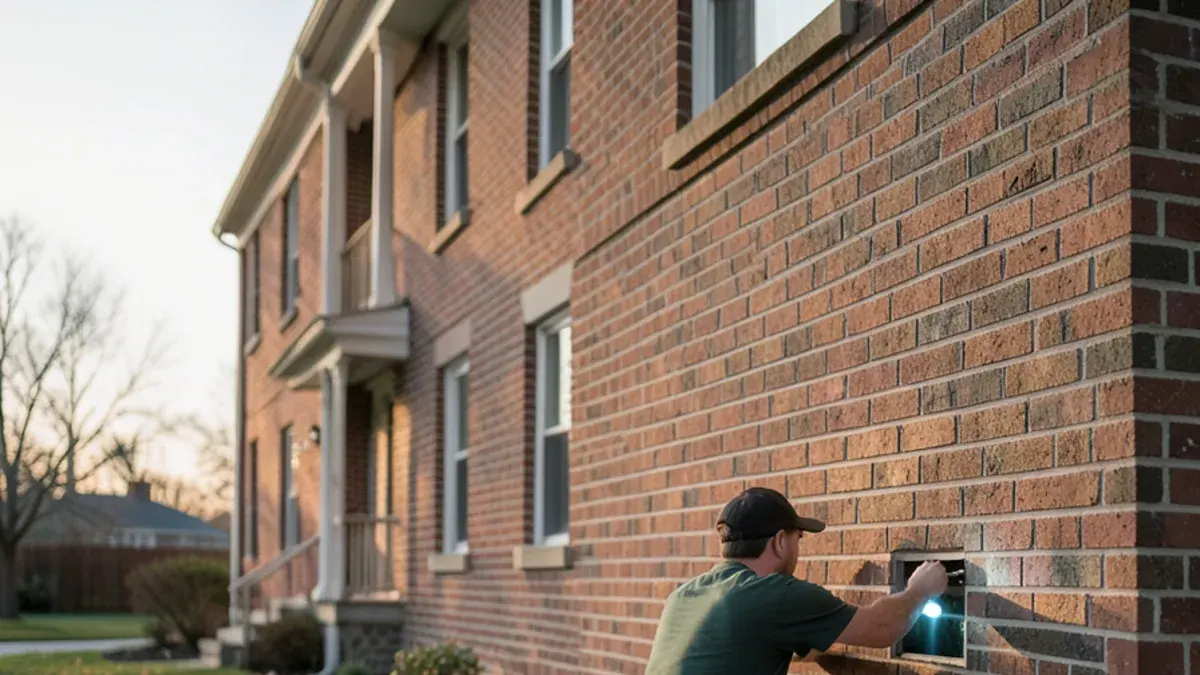
Rodent control in Columbus, OH means finding how mice or rats are getting in, removing the ones already inside and closing the gaps so new ones cannot follow. Boydes Exterminating Co handles all three steps, because trapping without sealing only resets the clock.
- Serving Columbus since 1990
- 4.5★ from 55 Google reviews
- Owner-run, based on Dunning Rd
- One-time or recurring service
Mice and rats are different animals with different habits, and the plan changes with the species. Here is how to tell what you have, why Columbus has a rodent problem to begin with, and what our visits involve.
Mice, rats or both? Signs of a rodent infestation in Columbus
Most people hear rodents before they see them: scratching in a wall or ceiling after dark, a skitter across the attic floor, a thump inside a cabinet. Then the physical signs turn up.
- Droppings, which run about the size of a rice grain for mice and noticeably larger and blunter for rats
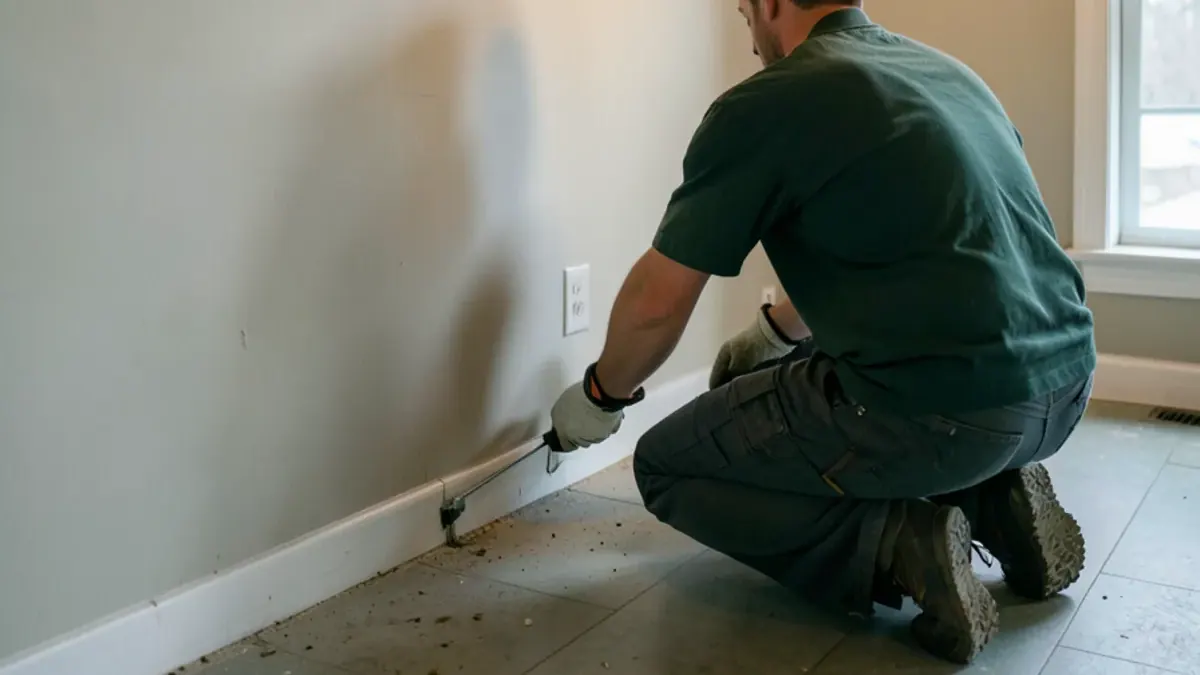
- Greasy rub marks along baseboards and pipes where the same bodies brush the same path every night
- Gnawed food boxes, shredded paper or insulation pulled into a nest, and chewed wire jackets
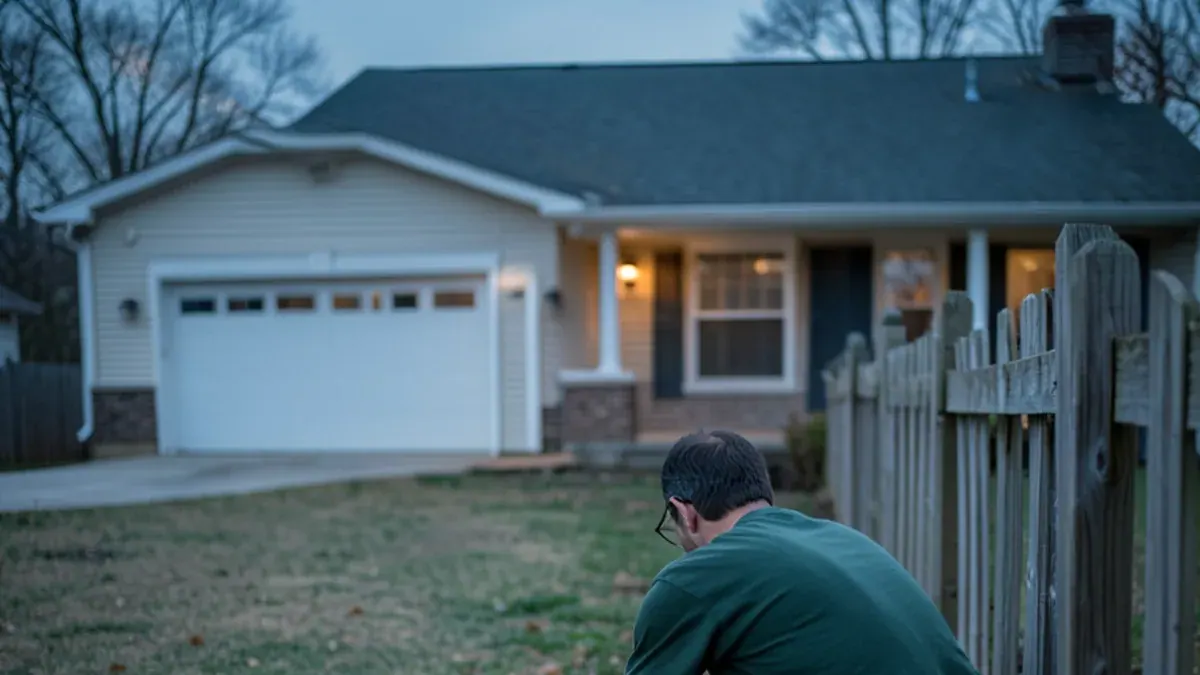
- Burrows against a foundation, beside a slab or under a garage door
- A stale, ammonia-like smell in a closed cabinet or closet
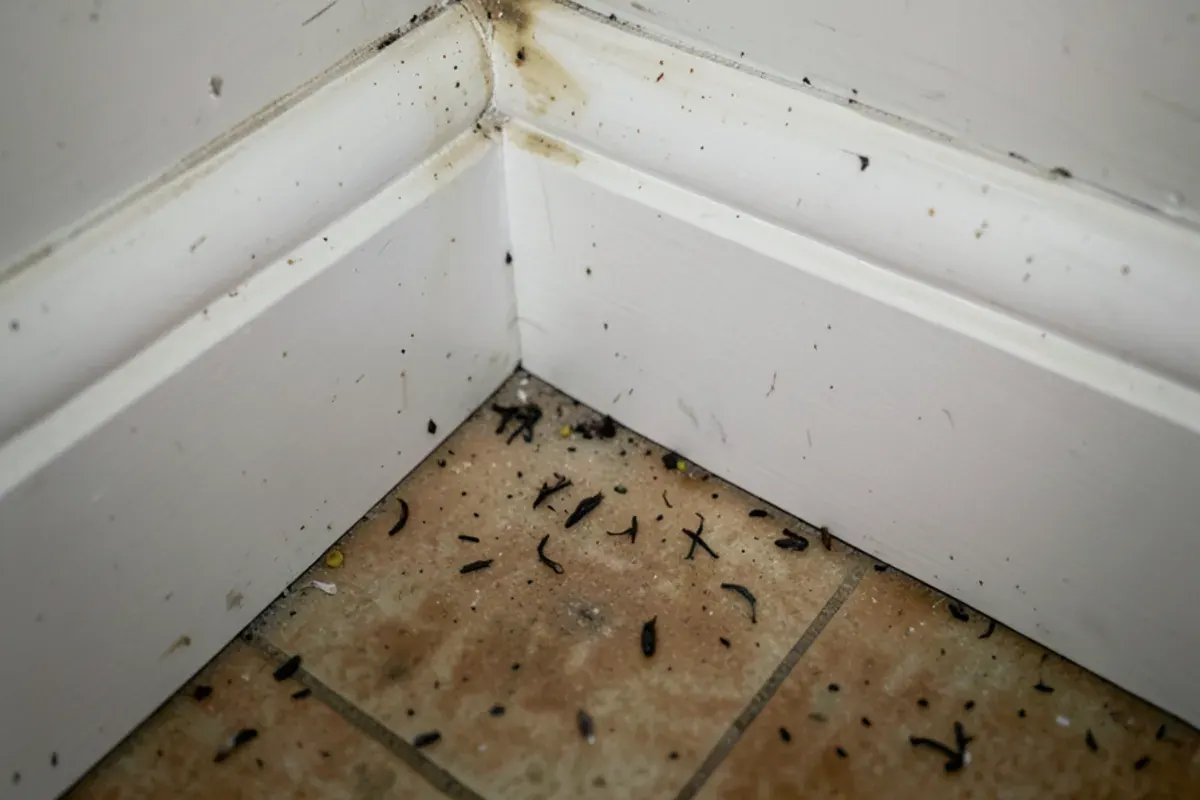
Dropping size is the quickest clue, but not the only one. Our guide to telling a mouse from a rat covers the rest. Once you know the animal, read the page for mouse control or rat control, since the two jobs call for different tools.
Why does Columbus rank so high for rats?
Orkin's 2026 list of the rattiest cities has Columbus at No. 15, up 6 spots from the year before. A ranking like that counts treatments, not houses, but it matches what the city looks like from the ground.
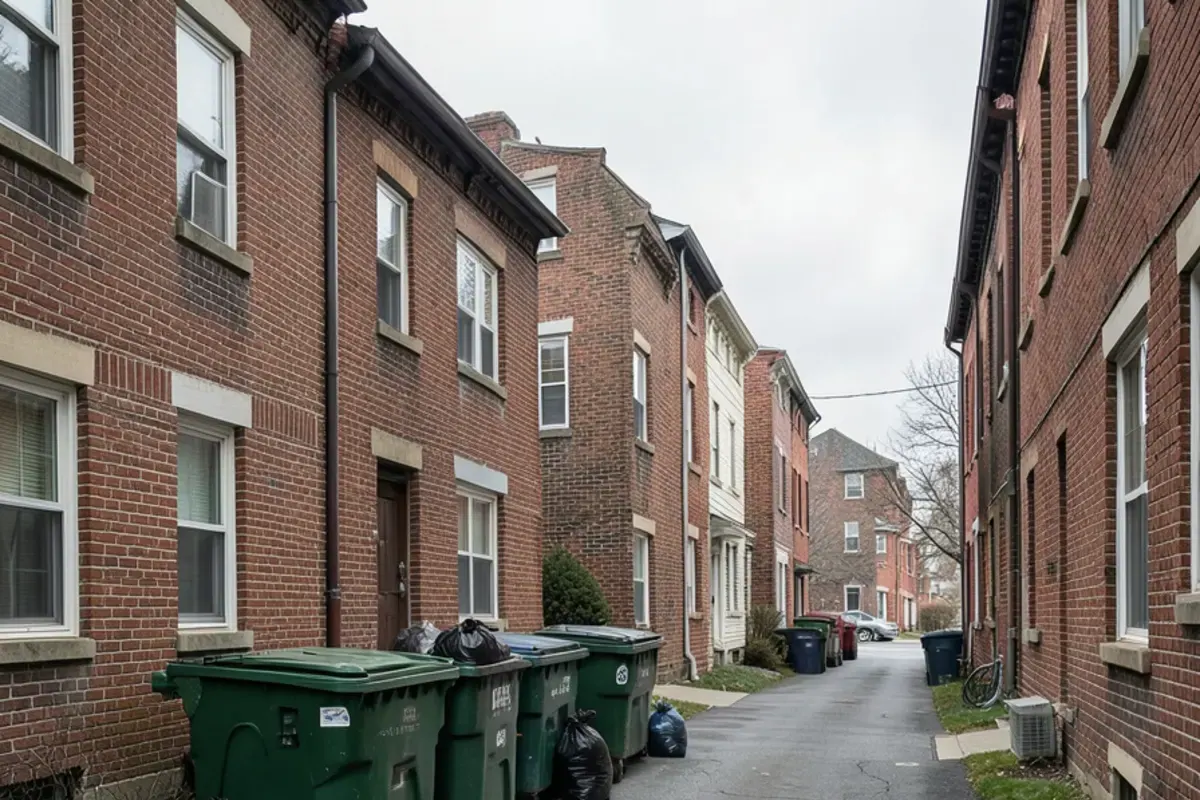
About 56% of Columbus homes are rented (ACS 2019-23). That means a lot of shared walls, shared dumpsters and trash for several households in one spot. Add older foundations, alleys behind apartment blocks and restaurants a block from single-family streets, and rodents have food, shelter and routes everywhere.
Mice are the bigger story inside most houses, especially each fall when cold weather sends them toward warm walls. Rats lean toward burrows, garages and any yard where food waste sits outside. Our posts on what the rat ranking means for homeowners and why older Columbus homes get mice every fall go further.
Hear scratching at night?
Tell us where and when. We can usually say over the phone whether it sounds like mice or rats.
- Serving Columbus since 1990
- 4.5★ from 55 Google reviews
- Owner-run, based on Dunning Rd
- One-time or recurring service
Prefer to write it down?
Calling is fastest. The form comes to the same desk, and we call you back during business hours.
Call (209) 563-1650How do rodents get into a house?
Through gaps smaller than most people expect. A mouse can pass through an opening well under half an inch wide, about the width of a pencil, and a rat can follow through a hole roughly the size of a quarter. Both will chew a soft edge to make the gap larger.
Columbus Health Code §221.03 requires dwellings to be kept free of rodents and insects, and Columbus Public Health says openings of half an inch or more within 48 inches of ground level should be sealed. Treat that half inch as a ceiling, not a target, since mice use smaller gaps than the code lists. The usual entry points:
- Gaps around pipes, cables and gas lines where they pass through the foundation
- Worn or bent garage door bottom seals and gaps at the corners of the door
- Dryer vents and crawlspace vents with torn screens
- The joint where siding meets the foundation, especially on older homes
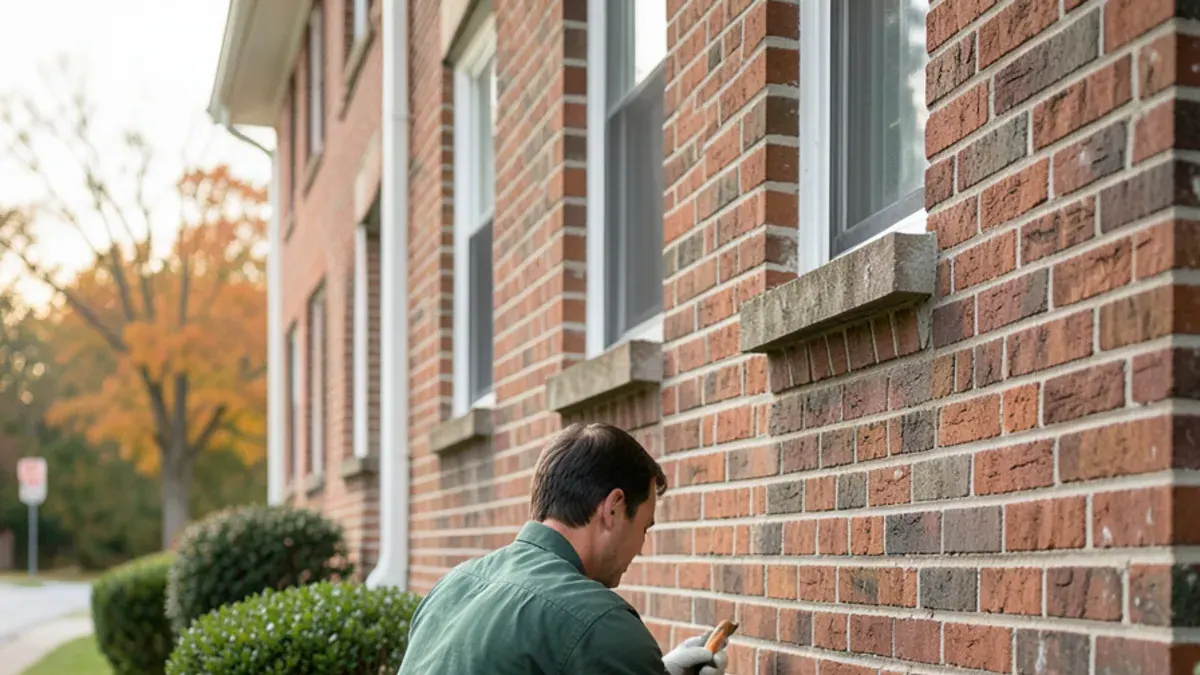
- Soffits, roof vents and wires that run to the roofline, because mice climb rough brick and siding easily
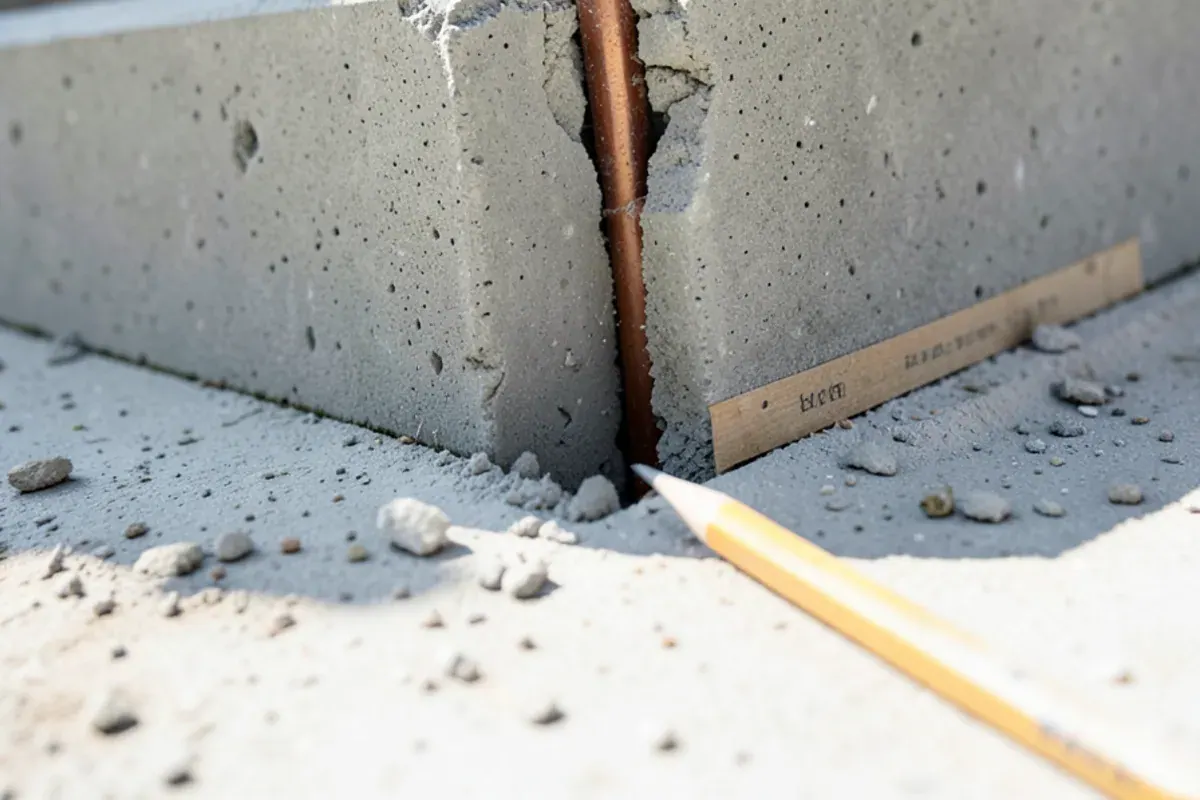
Finding every gap is the whole job of rodent proofing. If you want to look yourself first, our guide on finding where mice are getting in walks through where to start.
Rodent exterminator in Columbus: how we get rid of rodents
No single method does everything, and a sound plan uses more than one. Trapping and baiting remove the animals already inside. Exclusion, which means sealing entry points, keeps new ones out. Sanitation takes away what drew them in the first place.
| Method | What it does | Fits best when | Trade-offs |
|---|---|---|---|
| Snap and multi-catch traps | Removes animals on the spot, so you can see what was caught | A handful of mice indoors, or anywhere bait is a worry | Needs regular checks and careful placement along runways |
| Bait stations | Locked stations holding rodenticide, used per label directions | Persistent or heavy activity, rats, and exterior placement | Stations must stay put, and an animal can die inside a wall |
| Exclusion | Entry points sealed with metal mesh, sheet metal, mortar or sealant | After the population is removed, and for every job | Needs a full inspection, and some repairs belong to a carpenter |
| Sanitation | Pet food, grain and trash stored where rodents cannot reach | Always, since it is the cheapest part | Depends on the household changing a few habits |
Our post on snap traps, bait or exclusion compares them in more detail. Rodent baits are pesticides, and Ohio requires any company applying pesticides for hire to hold an ODA Pesticide Business License. ODA's online business search lets you look up a company before you hire it.
What does a rodent control visit look like, step by step?
- You tell us what you have seen and heardWhere the noise is, what time it happens and what you have found helps us decide where to look first.
- We ask about pets, children and allergiesTraps and bait stations get placed around the answers, and we ask again at every visit.
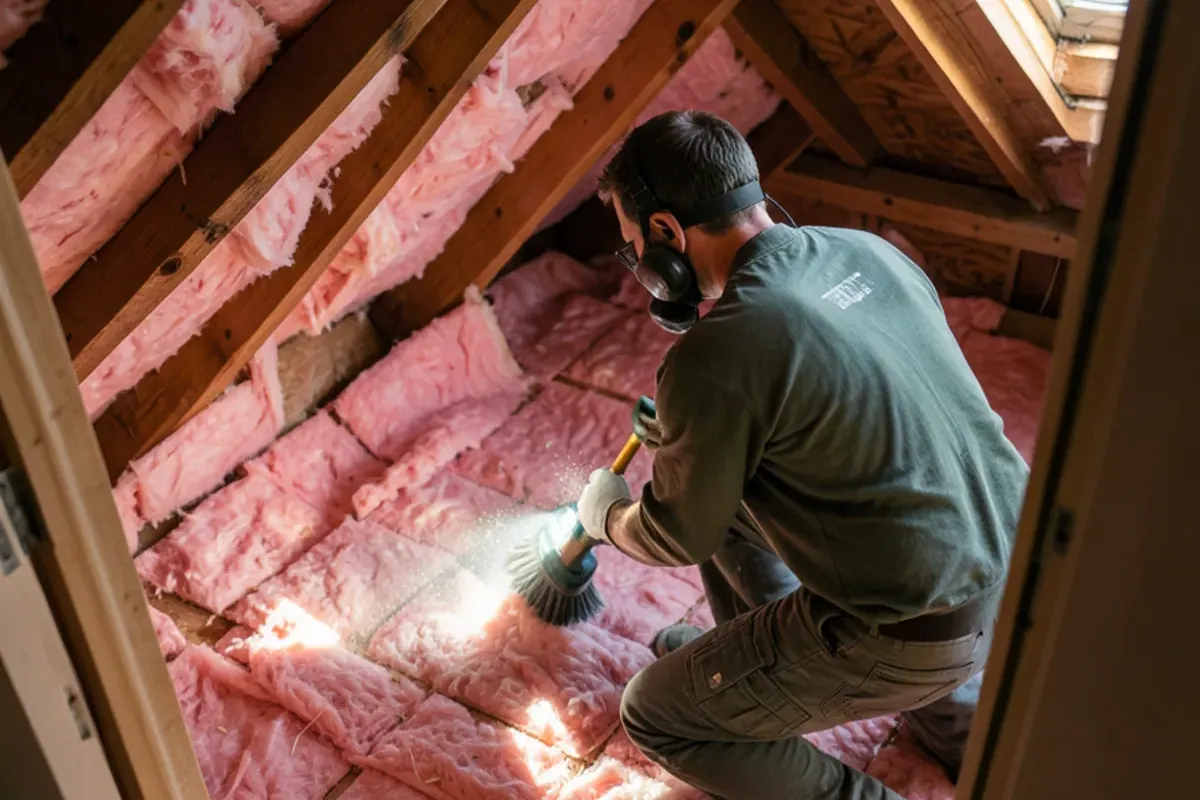
- We inspect inside and outAttic, basement, garage, kitchen cabinets and the whole foundation line get a look, because the entry point is rarely where the droppings are.
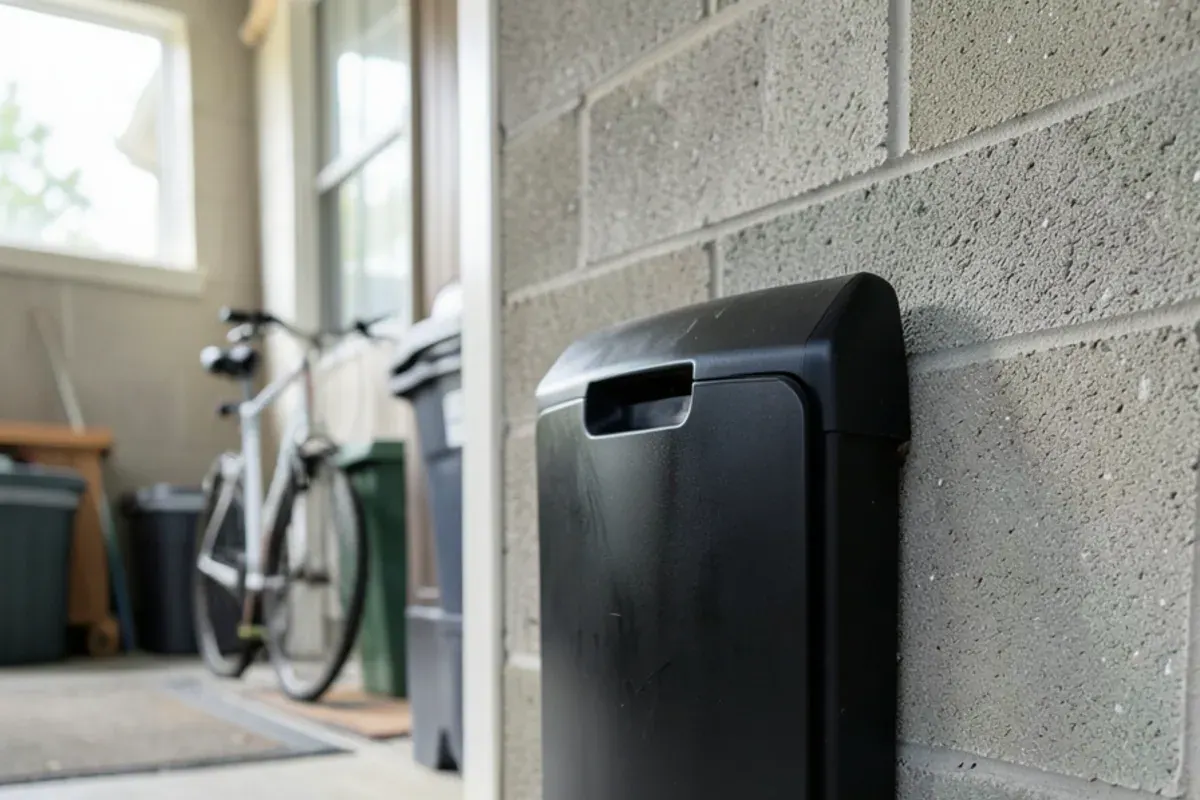
- We set traps or bait stationsPlacement follows the runways we find, applied per the product label, with the re-entry time and handling rules explained to you.
- We seal and return as the plan calls forOnce activity drops, we close the gaps. Return visits are part of the plan when the infestation is large, and we tell you the schedule before we leave.
How much does rodent removal cost in Columbus?
We price rodent work by the species, how far the activity has spread and how much sealing the building needs. You get the price explained before work starts, and reviewers describe our pricing as fair with no surprise charges. These are the factors that move the number:
- Mice or rats, since rats usually mean burrows, bait stations and more visits
- How many entry points there are and how hard they are to reach
- Access to attics, crawlspaces and the garage
- The number of return visits the plan requires
- Whether it is a single house, a rental building or a business
Rodent problem near me: what to ask before you book
Most rodent pages online explain traps, bait and cost. The questions that decide how the job turns out are fewer, and you can ask them on the first call.
- Will entry points be sealed, or only trapped? Trapping alone leaves the gaps open.
- Where will traps or bait stations go, and who checks them?
- How many return visits does the plan include, and when are they?
- Is the price, including those return visits, explained before work starts?
- What does the company ask you about pets, children and allergies?
A clear answer to each means you know what you are paying for. For us, every one of those is part of the plan from the first visit. When a house also needs structural repairs, such as rotted trim or a broken door, a sound plan points them out and leaves them to the right trade.
Who is responsible for rodents in a Columbus rental?
Under Columbus Health Code, the owner of a dwelling with two or more units is responsible for eliminating pests, according to Columbus Public Health. If you rent in a duplex or apartment building, tell your landlord in writing and keep a copy. If you rent a single-family house, your lease decides who calls.
Owners and managers can call us directly. We ask about neighboring units, because a mouse in one apartment usually means a path through the wall to the next.
Hiring a rodent company in Columbus: city code, label law and the ODA lookup
Three rules shape rodent work here. Columbus Health Code §221.03 makes keeping a dwelling rodent-free the baseline, and Columbus Public Health puts the duty to eliminate pests on the owner of any building with two or more units. Tenants in those buildings can ask the owner to act in writing.
Rodent bait is regulated as a pesticide, so the product label sets where it can go and how it must be contained. Ohio also requires a company that applies pesticides for hire to hold an ODA Pesticide Business License. Search the company in ODA's public business lookup before you sign, then ask for the bait product name, the station locations and the planned return dates in writing.
Why Boydes Exterminating for this work
The company started in 1990 under Mr. Robert Boyde, and Robert J. Boyde Jr. runs it now. You call one shop on Dunning Rd and talk to people who work there.
We remove the animals and close the gaps, so you do not hire a second company to finish the job.
Pricing is explained before work starts. Reviewers say it is fair and report no surprise charges.
We ask about allergies, pets and children at each visit and plan trap and bait placement around the answers.
Rodent Control services
Where we do this work
- Columbus Columbus ranked No. 15 on Orkin's 2026 rat list, and about 56% of homes are rented.
- Whitehall About 61% of Whitehall homes are rented, with a median build year of 1961 and shared dumpsters behind multi-unit buildings.
- Gahanna Big Walnut Creek runs through the city, and its banks give burrowing rats cover near homes and yards.
- Reynoldsburg About 39% of homes are rented across a city that spans three counties, so apartment and house calls both come in.
- Westerville Hoover Reservoir sits just east of town, and the median home dates to 1982.
- Hilliard The city sits between the Scioto River and Big Darby Creek, and about 31% of homes are rented.
- Grove City Scioto Grove Metro Park and the I-71 corridor border neighborhoods where the median home was built in 1993.
- Bexley The median home dates to 1944, and older brick foundations collect pipe and vent gaps that mice use.
- Upper Arlington A planned suburb begun in 1913, with a median home built in 1959 and many original foundations.
- Urbancrest About 77% of Urbancrest homes are rented, so shared walls and shared trash areas matter.
We handle mice and rats across Columbus and the suburbs around it, including Whitehall, Gahanna, Reynoldsburg, Westerville and Hilliard. Look at the full list of service areas to see where else we go. Farther out, that includes Carroll, Centerburg and Commercial Point.
Rodent Control: common questions
Why does Columbus rank so high for rats?
Columbus has a large share of rental housing, dense apartment blocks with shared dumpsters, older foundations and plenty of restaurants. Rats follow food waste and shelter. Orkin's 2026 rattiest cities list put Columbus at No. 15, up 6 spots, and that list counts treatments by city, not by housekeeping. Cleaning up outside trash helps.
How do rodents get into a house?
They use gaps around pipes and cables, worn garage door seals, torn vent screens and the seam where siding meets the foundation. Mice can fit through openings under half an inch. Columbus Public Health says openings of half an inch or more within 48 inches of the ground should be sealed, and a good inspection checks higher up too.
Do you seal entry points after trapping?
Yes. Sealing is part of the plan, because removing the animals without closing the gaps invites the next group. We seal with metal mesh, sheet metal, mortar or sealant that rodents cannot chew through easily. Repairs that need a carpenter or a door installer, such as rotted trim, we point out so you can arrange them.
How long until the noises in the walls stop?
Often within days once traps or bait stations are working, but it depends on how many animals are inside and how large the activity is. Rats and larger mouse populations take longer. If the noise carries on past the timeline we gave you, call and tell us. We will recheck the traps and the entry points.
Will rodents come back after treatment?
They can, if even one gap stays open or food stays outside. That is why we pair trapping with sealing and talk through what attracted them. Houses near alleys, dumpsters or fields see more pressure from outside. If activity returns after a plan has finished, tell us where and we will look at what was missed.
Is store-bought rat poison a good idea?
It can work, but loose bait scatters, children and pets can reach it, and a poisoned animal sometimes dies inside a wall. Follow the label exactly, use a locked station and keep it out of reach. If you already put bait out, tell us before our visit so we can plan traps around it.
Sources
- Orkin, Rattiest Cities list 2026, Columbus at No. 15
- Columbus Public Health, Columbus Health Code §221.03 (rodent-free and insect-free dwellings, openings of half an inch or more)
- U.S. Census Bureau, American Community Survey 2019-23, Columbus housing tenure
- Ohio Department of Agriculture, Pesticide Business License search
What customers say
4.5 stars from 55 Google reviews, checked November 2026. Read more reviews · Leave a review
Mr. Boyde’s company is responsive and honest. They answer phone calls, give estimates, and come to your home quickly. Pricing is true to market price with no surprise charges.
Great service. Super dependable. Calls right back. This time he was able to come out same day.
Excellent service, very easy to schedule appointments. No inspection needed to get the job done sooner and very forward about the cost.
Close the gap and clear the house
Call with what you have found. We will explain the plan and the price before any trap goes down.
- Serving Columbus since 1990
- 4.5★ from 55 Google reviews
- Owner-run, based on Dunning Rd
- One-time or recurring service
Boydes Exterminating Co, 1967 Dunning Rd, Columbus, OH 43219