
Boydes Exterminating Co
Mosquito & Tick Control in Columbus, OH
Mosquito control in Columbus, OH works as a season-long plan, not a single spray, because mosquitoes breed in water you can dump and rest in shade you can treat. Boydes Exterminating Co combines source reduction advice with a labeled yard treatment, and adds tick treatment along wood edges and leaf litter where ticks wait.
- Serving Columbus since 1990
- 4.5★ from 55 Google reviews
- Owner-run, based on Dunning Rd
- One-time or recurring service
This page is part of our insect control in Columbus work. It explains what each visit includes, how the plan options compare and what a yard treatment cannot do.
Why Columbus yards get so many mosquitoes
On Orkin's 2024 list of top mosquito cities, Columbus came in at No. 32. That ranking reflects treatment volume, not a count of bites. Hoover, O'Shaughnessy and Alum Creek reservoirs and Big Darby Creek border the suburbs, and the wet ground along those waterways gives mosquitoes plenty of places to breed.
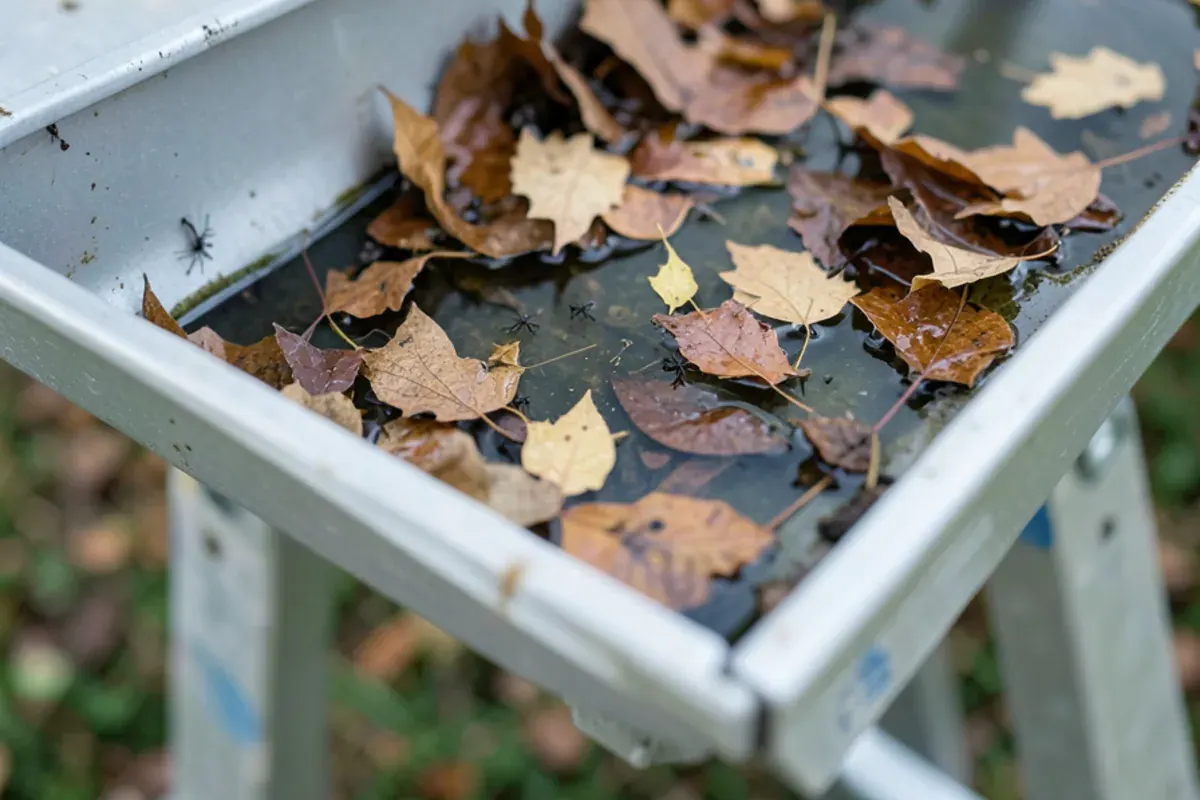
Closer to home, the sources are smaller and easier to fix. Clogged gutters, buckets, planters, tarps, kiddie pools, old tires and low spots in the lawn all hold water long enough for larvae to develop. A yard with shade, tall grass and shrubs gives the adults somewhere to rest in the daytime.
When does mosquito season start in Columbus?
Mosquitoes become a problem once the weather stays warm, usually in late spring. Activity builds through June, runs hot through July and August, and tapers in September and October.
Ticks start earlier and finish later. They can be active on mild days in early spring and again in fall, which is why a tick plan covers more of the calendar than a mosquito plan.
Planning for backyard season?
Call early. We will walk through your yard, the water sources and the tick edges, and set a schedule.
- Serving Columbus since 1990
- 4.5★ from 55 Google reviews
- Owner-run, based on Dunning Rd
- One-time or recurring service
Prefer to write it down?
Calling is fastest. The form comes to the same desk, and we call you back during business hours.
Call (209) 563-1650What does each mosquito and tick visit include?
- We walk the yard with youWe look for standing water, shaded resting spots and the edges where lawn meets woods, a creek or tall grass.
- We ask about pets, kids, bees and pondsGardens, flowering plants, fish ponds and rain barrels change what we treat and what we leave alone. We ask at every visit.
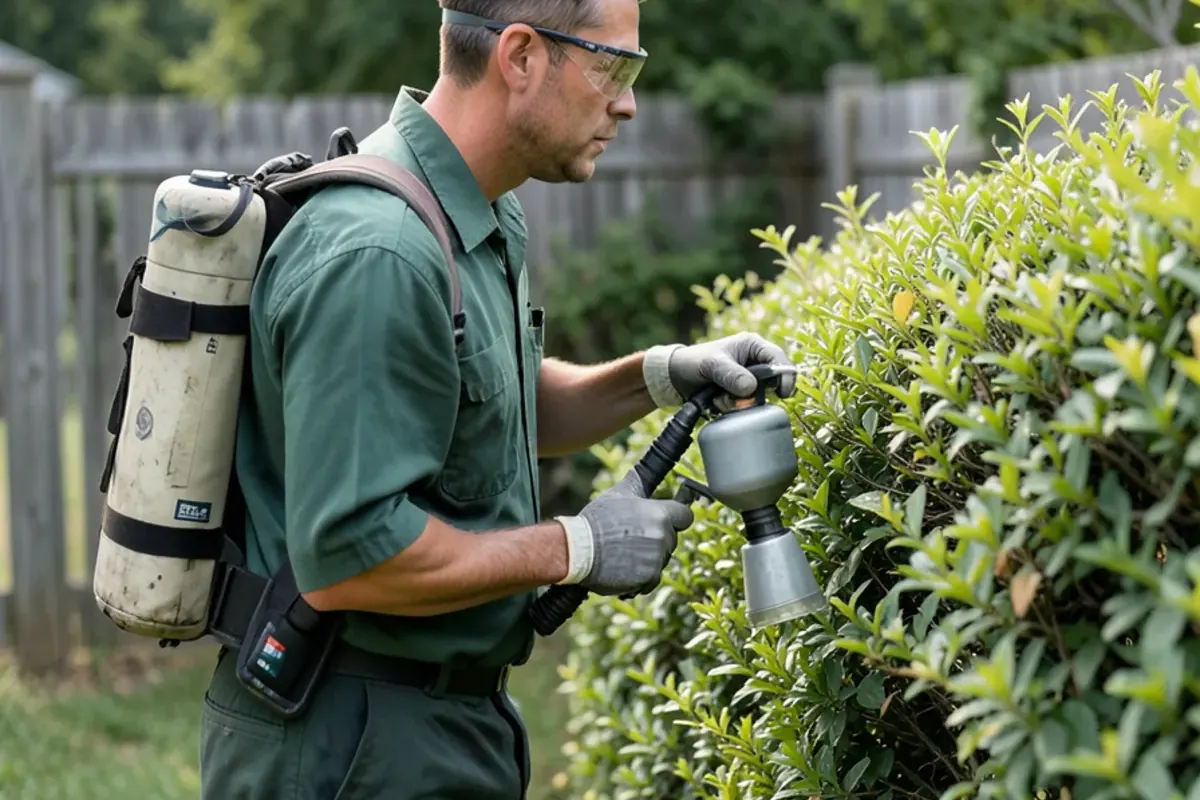
- We treat resting areas and breeding sitesLabeled product goes on shrubs, fence lines, the underside of leaves and other places adults rest. Standing water that cannot be emptied may get a larvicide, used per label directions.
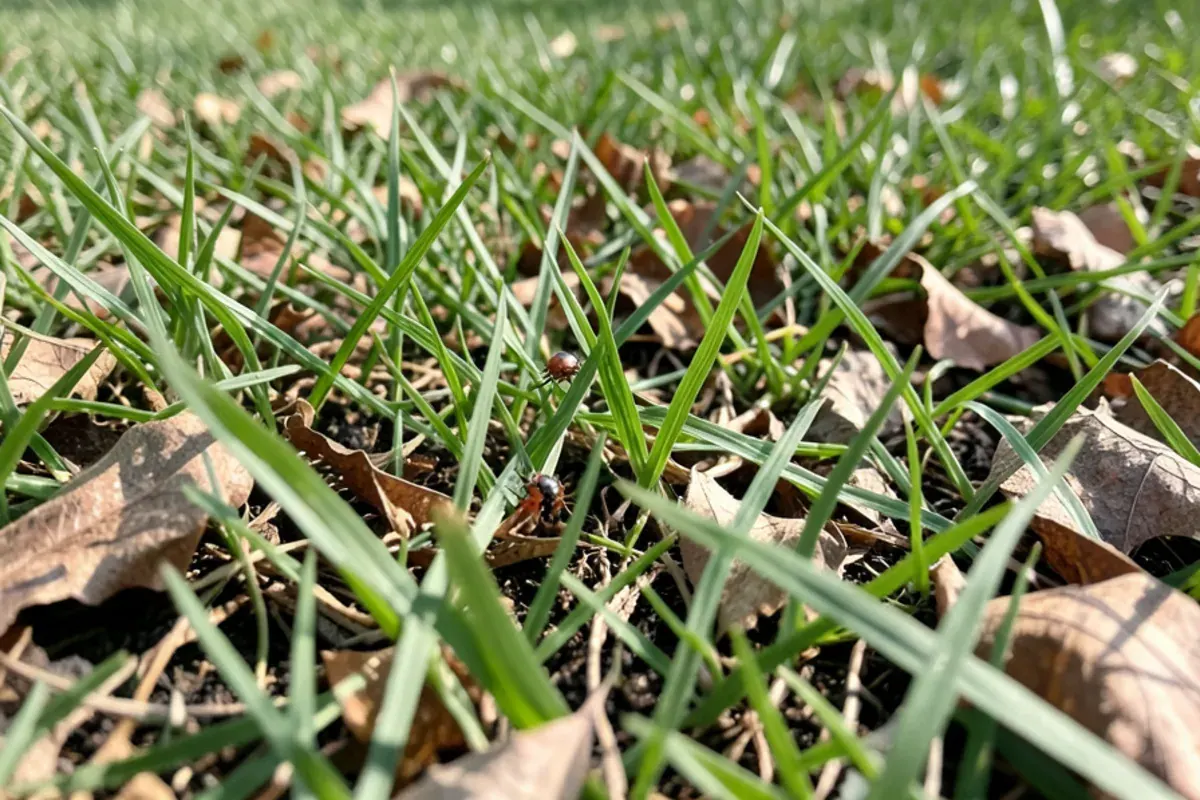
- We treat tick habitat where it appliesThe transition zone between lawn and wooded edge, leaf litter and brush are the target for ticks.
- We give you the re-entry time and a to-do listThe label sets when you and the pets can return to the treated area. You also get a short list of water sources to dump or fix.
Mosquito and tick plan options compared
Follow-up visits can run biweekly, monthly, bimonthly or as needed. The right rhythm depends on the product, the weather and how much of your property is shaded or wooded:
| Option | What is included | Fits best when | Trade-offs |
|---|---|---|---|
| One-time treatment | A single pass over resting areas, with a source walkthrough | A party, wedding or short-term problem | Does not follow the season, and new mosquitoes arrive after rain |
| Seasonal mosquito plan | Repeat visits across the warm months, timed to the product and weather | Backyards you use every evening | More visits to schedule, with a longer commitment than one spray |
| Seasonal mosquito and tick plan | Mosquito visits plus tick habitat treatment at the wooded edge | Yards that back onto woods, creeks, parks or fields | Ticks still need personal checks, and the plan covers the zone, not every blade of grass |
Yard size, brush and visit count change the quote, and we explain the price before work starts.
Do yard treatments help with ticks?
They help reduce ticks in the area where you treat, and they work best combined with habits. Blacklegged ticks, which can carry Lyme disease, wait in leaf litter and tall grass at the edge of woods, not in the middle of a mowed lawn. American dog ticks and lone star ticks are also found in Ohio. Targeting the wooded border and the places kids, dogs and gardeners wander makes sense.
Treatment does not replace a tick check after time outdoors. The Ohio Department of Health tracks Lyme disease, and its advice is the same as for any tick: look yourself over, remove an attached tick promptly with fine tweezers and see a doctor if a rash or fever follows. Ask your veterinarian about prevention for pets.
What attracts mosquitoes to my yard?
Water, shade and still air. These are the fixes that cost the least and work the fastest:
- Dump and scrub garden basins, pet bowls, buckets and planter saucers at least weekly
- Clean gutters and make sure downspouts drain away from the house
- Flip kiddie pools and store tires, tarps and toys where rain cannot pool
- Trim low, dense shrubs and cut tall grass, since adults rest there by day
- Run a fan on the patio, because mosquitoes are weak fliers
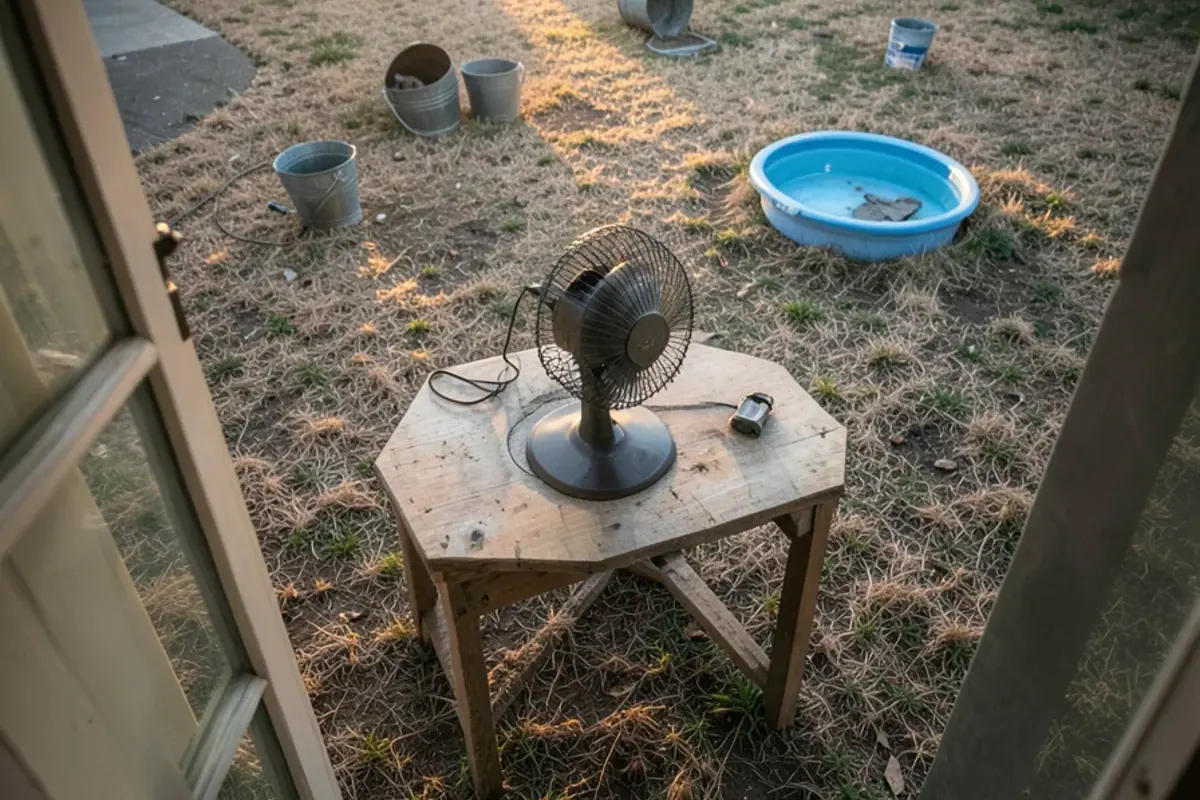
A rain barrel or a decorative pond needs screening or a larvicide labeled for it. Tell us about them on the first visit.
What a yard treatment cannot do
A treatment lowers the number of mosquitoes on your property. It does not seal the yard from the neighborhood, so mosquitoes from a neighbor's standing water or a nearby creek can still reach you. Heavy rain can shorten how long a treatment holds, and we plan visits with that in mind.
Product labels also restrict treating flowering plants while bees are active, so we work around blooming plants and talk through the garden before we start. Treatments are not a substitute for repellent, long sleeves or tick checks when you are in tall grass.
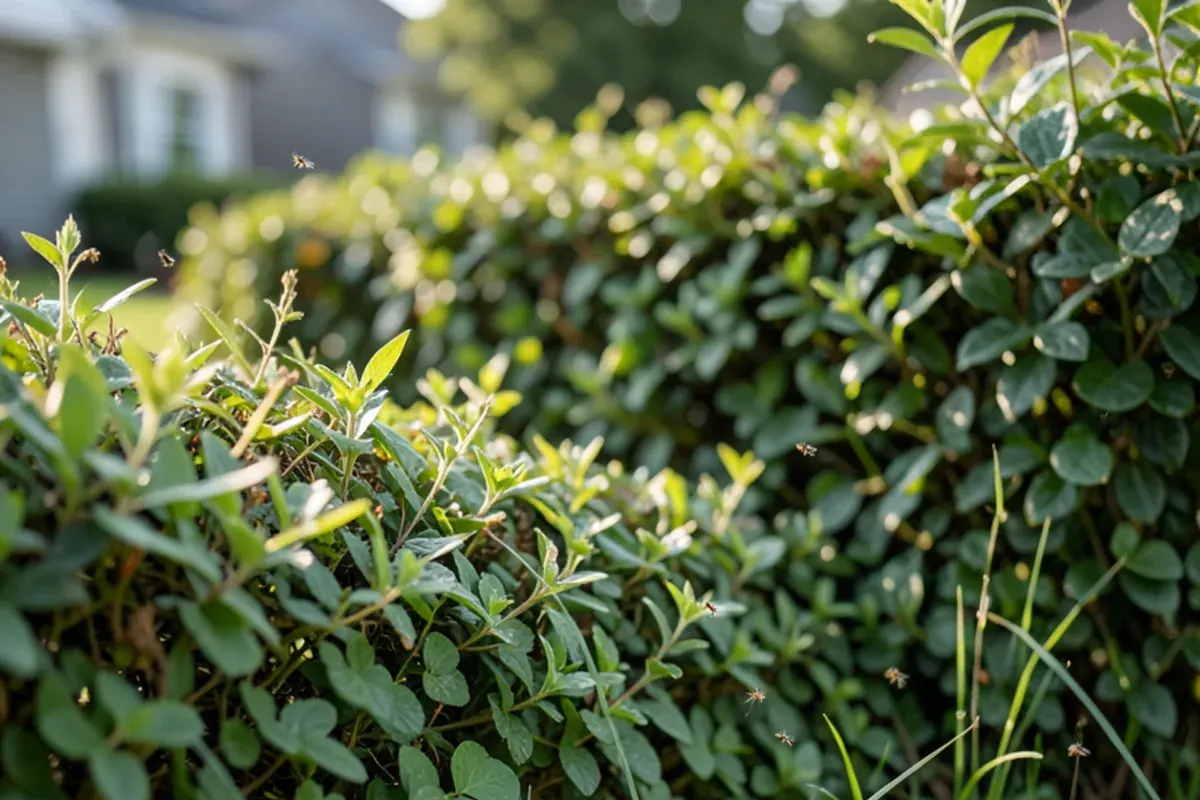
Mosquito spraying in Ohio: the county program versus a private yard plan under ODA rules
Franklin County Public Health traps mosquitoes across the county and sprays for adults in neighborhoods where traps show West Nile virus or very high numbers. It posts spray notices at myfcph.org and keeps a Do Not Spray list for residents who want out. That program covers public health emergencies, not your patio on a Friday night.
A private yard plan is a separate job. Ohio requires any company applying pesticides for hire to hold an ODA Pesticide Business License, and ODA's public search lets you check one before you book. Then read the label rule. Labels restrict treatment of flowering plants while bees are active and set the re-entry time. Ask the company for the product name and both in writing.
Why Boydes Exterminating for this work
A wooded lot near a creek and a sunny cul-de-sac need different attention. We set the schedule to what we see.
We tell you what a treatment cannot do, and what you can fix yourself with a bucket and a gutter scoop.
Pets, kids, gardens, bees and ponds all come up at the start, and we ask again at each visit.
Robert J. Boyde Jr. owns the company Mr. Robert Boyde established at 1967 Dunning Rd, and customers deal with him directly.
Pay by cash, check, debit or credit. Our Google rating stands at 4.5 stars from 55 reviews.
Where we do this work
- Westerville Hoover Reservoir sits just east of town, and about 26% of homes are rented.
- Galena The village sits at the north end of Hoover Reservoir, where wet ground and wooded edges meet newer yards.
- Shawnee Hills The village borders O'Shaughnessy Reservoir, a Columbus drinking water source with a dam finished in 1925.
- Dublin The Scioto River corridor runs through Dublin, and the city spans three counties of yards.
- Powell The Olentangy River is nearby, and Powell's median home dates to 2001 with 11% rented.
- Hilliard Hilliard lies between the Scioto River and Big Darby Creek, so wet low ground is close to most yards.
- Lake Darby Big Darby Creek forms its western border, and 6% of homes are rented, so yards are used heavily.
- Gahanna Big Walnut Creek runs through the city, and its median home dates to 1985.
- Huber Ridge Alum Creek forms part of its southwestern edge, and the median home was built in 1969.
- Buckeye Lake A lakefront village of cottages and docks, where water sits beside nearly every yard.
Yards near the reservoirs and creeks are some of the toughest. We treat in Westerville, Dublin, Powell, Hilliard and Grove City, plus Columbus neighborhoods. See all of our service areas.
Mosquito & Tick Control: common questions
When does mosquito season start in Columbus?
Usually late spring, once nights stay warm. Numbers climb through June, peak in July and August, and fade through September and October. A warm, wet spring can bring them earlier. Ticks start sooner and last longer than mosquitoes, so we time the first visit to the weather and your yard.
Do yard treatments help with ticks?
They reduce ticks in the zone you treat, mainly the border between lawn and woods, leaf litter and brush. They do not remove every tick or replace tick checks. Treat the areas where family and pets spend time, keep grass short, and check yourself after time outdoors. Ask your vet about pets.
What attracts mosquitoes to my yard?
Standing water, shade and still air. Clogged gutters, buckets, garden basins, tarps, planters and low spots hold water long enough for larvae to grow. Dense shrubs and tall grass give adults a daytime resting place. Dump and scrub water sources weekly, and a treatment then has far less to fight.
Is Columbus a bad city for mosquitoes?
Columbus ranked No. 32 on Orkin's 2024 list of mosquito cities, which is based on treatment volume. The reservoirs at Hoover, O'Shaughnessy and Alum Creek and Big Darby Creek border the suburbs, so waterside neighborhoods tend to have more. Your yard's own standing water matters more than the ranking.
How often do mosquito treatments need to be repeated?
It depends on the product, the weather and your property. Follow-up visits can be biweekly, monthly or bimonthly, and heavy rain can shorten how long a treatment lasts. We explain the schedule before the first visit, and we can adjust it if the season turns out wetter or drier than expected.
Do you treat around bees, gardens and ponds?
Yes, with care. Labels restrict treating flowers while bees are active, so we work around blooming plants. Tell us about vegetable beds, fish ponds and rain barrels at the start. We ask about pets, children and allergies at each visit and apply products per label directions.
Sources
What customers say
4.5 stars from 55 Google reviews, checked November 2026. Read more reviews · Leave a review
Mr. Boyde’s company is responsive and honest. They answer phone calls, give estimates, and come to your home quickly. Pricing is true to market price with no surprise charges.
Great service. Super dependable. Calls right back. This time he was able to come out same day.
Excellent service, very easy to schedule appointments. No inspection needed to get the job done sooner and very forward about the cost.
Take back the patio
Tell us about your yard and we will explain the plan options and the price before we start.
- Serving Columbus since 1990
- 4.5★ from 55 Google reviews
- Owner-run, based on Dunning Rd
- One-time or recurring service
Boydes Exterminating Co, 1967 Dunning Rd, Columbus, OH 43219