
Boydes Exterminating Co
Cockroach Control in Columbus, OH
A cockroach exterminator in Columbus, OH starts by working out which roach you have, because German, American, Oriental and brown-banded roaches live in different places and need different plans. Boydes Exterminating Co treats all four in houses, apartments, restaurants and hotels across central Ohio.
- Serving Columbus since 1990
- 4.5★ from 55 Google reviews
- Owner-run, based on Dunning Rd
- One-time or recurring service
Roaches rarely leave because of a spray can. They hide in cracks, breed quickly and travel through walls, so the job is finding where they live, placing the right bait and coming back to check the count. Here is how that works, and which of our pages fits your roach.
Which cockroaches are common in Columbus?
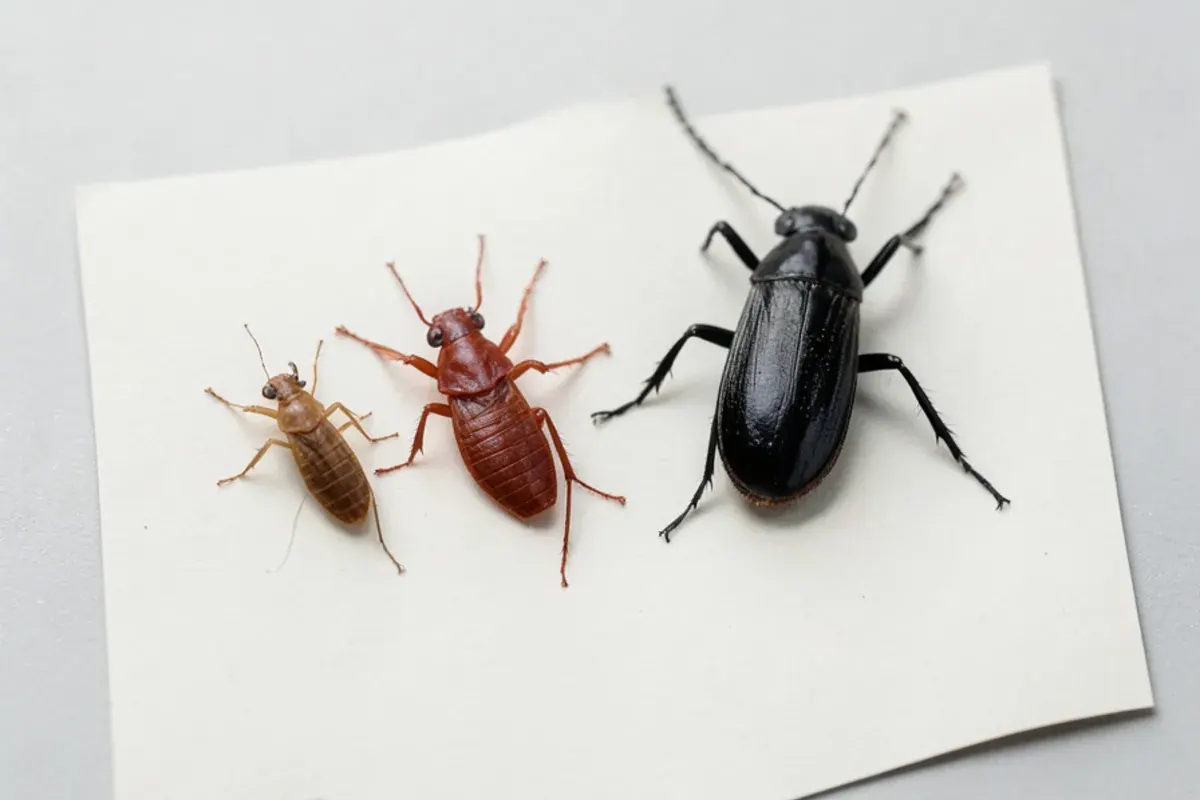
Four species account for the roach calls in central Ohio, and telling them apart is step one. Size, color and the room where you spotted it usually narrow it down fast.
| Species | Size and color | Where you find it | Read more |
|---|---|---|---|
| German | About half an inch, light tan with two dark stripes behind the head | Kitchens, bathrooms, inside appliances | German cockroach control |
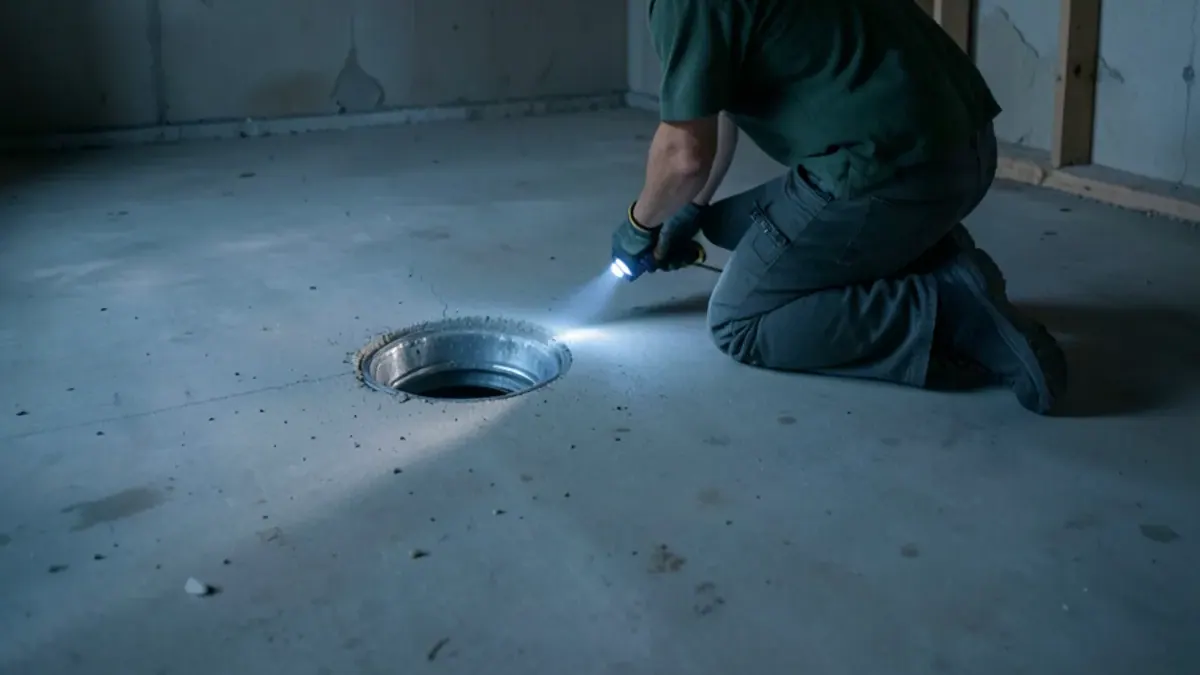
| American | One and a half to two inches, reddish brown with a pale band behind the head | Basements, floor drains, boiler rooms | American cockroach control |
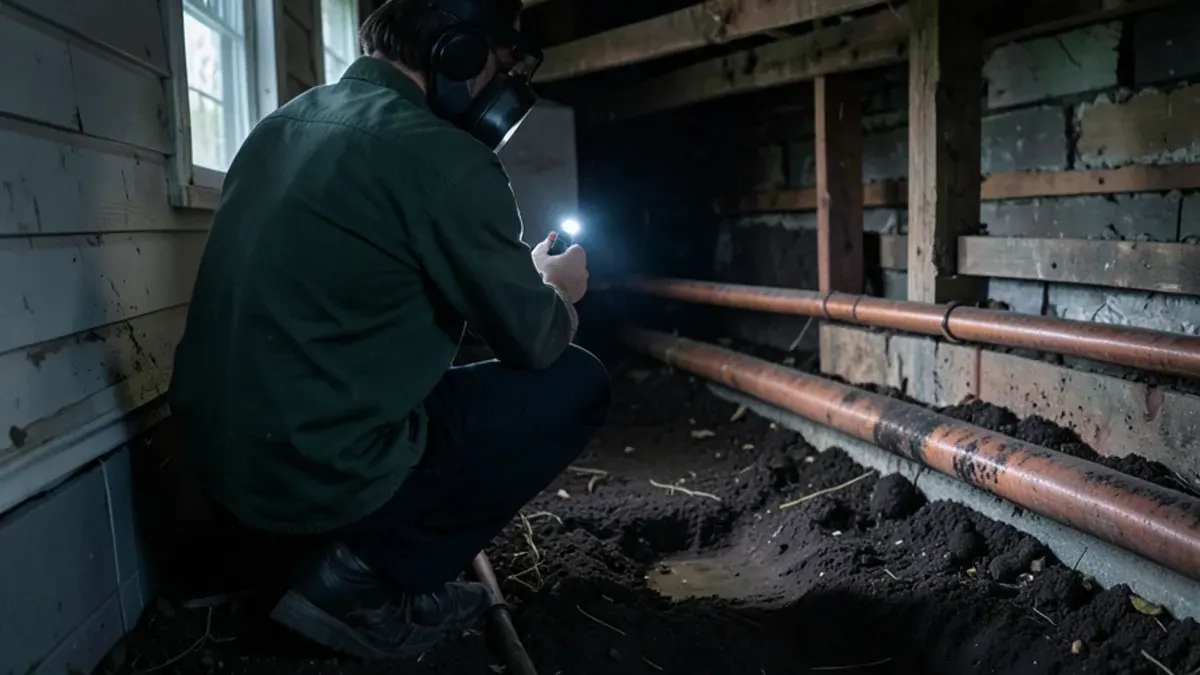
| Oriental | About an inch, glossy dark brown to black | Damp basements, crawl spaces, under sinks | Oriental cockroach control |
| Brown-banded | About half an inch, tan with two pale bands | Bedrooms, closets, high on walls | Brown-banded cockroach control |
Where you live changes the plan as much as the species does. If you share walls with neighbors, read our page on apartment cockroach treatment for unit prep and planning around adjoining apartments.
Cockroach infestation in Columbus: why it keeps happening
Roaches need food, water and a tight place to hide, and a typical Columbus building offers all three. About 56% of Columbus homes are rented (ACS 2019-23), and roaches ride along through shared plumbing chases, wall voids and boxes carried from one unit to the next.
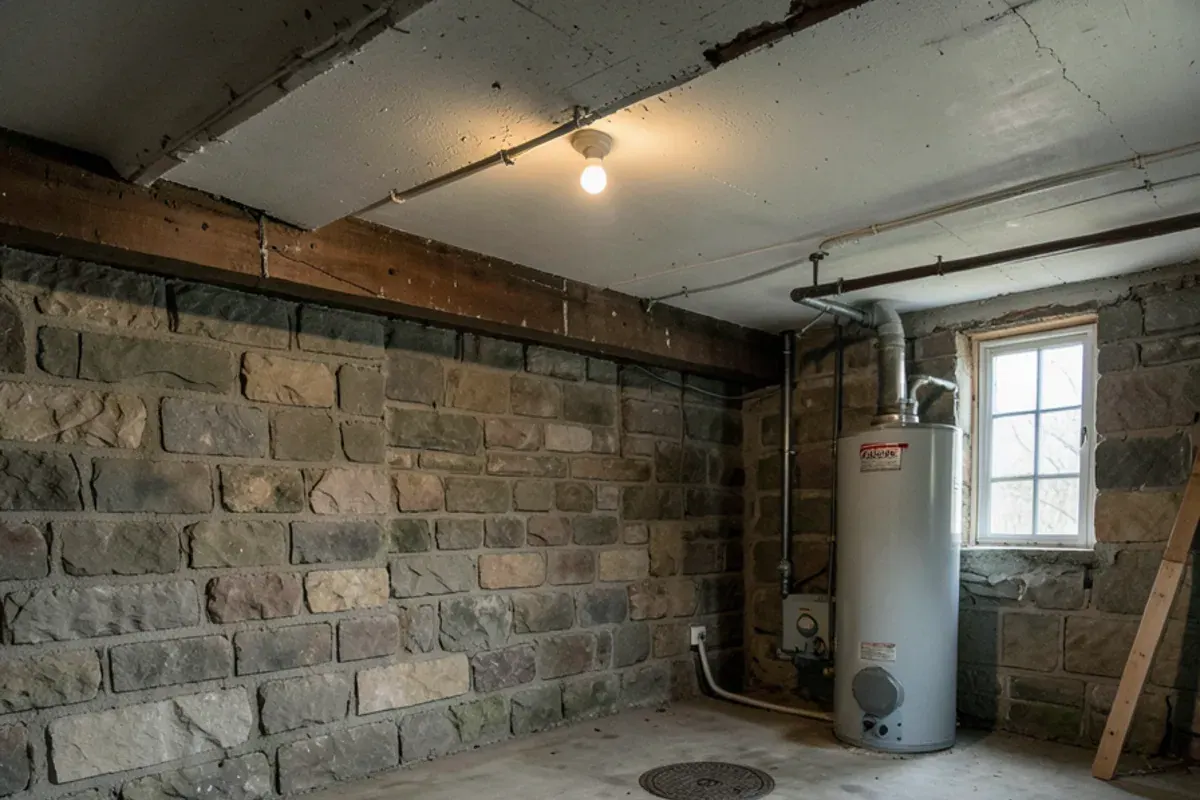
Older basements add the other half of the picture. Floor drains, damp crawl spaces and cracked foundations suit American and Oriental roaches, while German roaches usually arrive indoors in grocery bags, used appliances and cardboard. A clean kitchen slows them down. It does not keep them out.
Columbus Health Code §221.03 calls for dwellings to be kept insect-free, and for openings of half an inch or more within 48 inches of ground level to be sealed (Columbus Public Health). Sealing those gaps is half of roach control.
Seeing roaches in daylight?
Tell us the room, the size and the color, and we will help work out the species before anyone visits.
- Serving Columbus since 1990
- 4.5★ from 55 Google reviews
- Owner-run, based on Dunning Rd
- One-time or recurring service
Prefer to write it down?
Calling is fastest. The form comes to the same desk, and we call you back during business hours.
Call (209) 563-1650How do I know if I have roaches?
Roaches hide by day, so what you see is often the evidence they leave behind:
- Live roaches in daylight, which usually means the hiding spots are crowded
- Dark specks like ground pepper, or smears, near hinges, corners and appliance edges
- Egg capsules, small tan to dark brown cases between a quarter and three-eighths of an inch long
- Shed skins in cabinets and along baseboards
- A musty, oily smell in rooms with a heavy population
One roach on the floor at night is not an emergency, but it is rarely the only one. If you see more than a single insect or find capsules, call and tell us where.
Roach exterminator in Columbus, Ohio: what the inspection covers
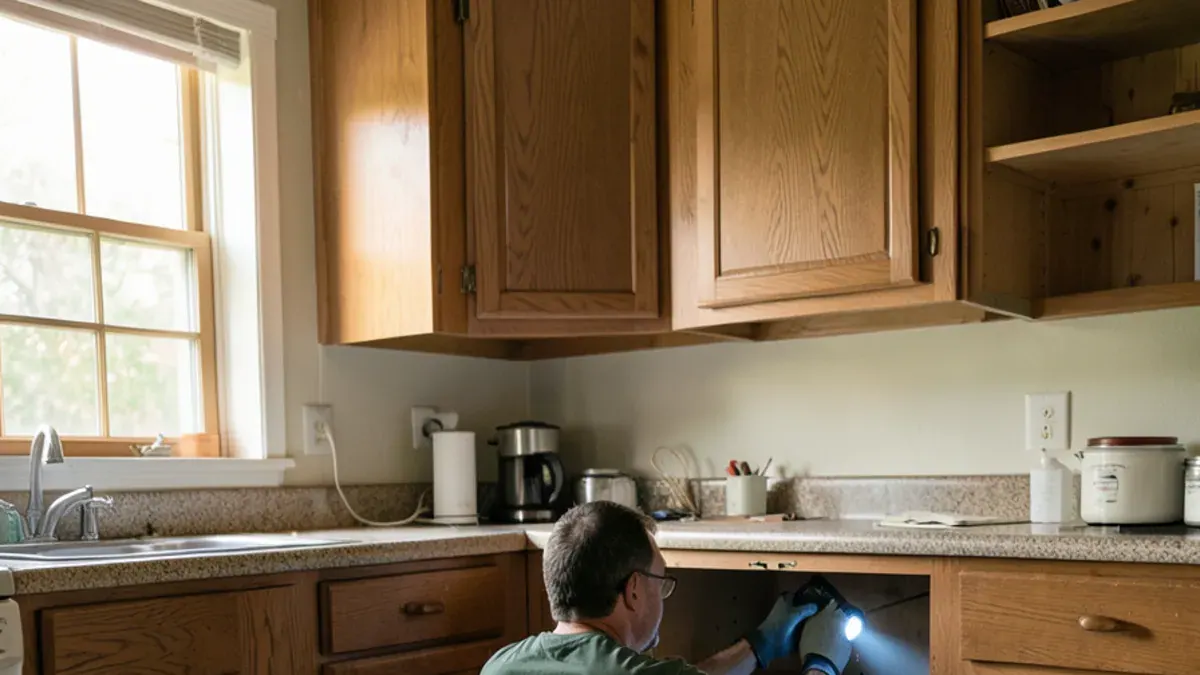
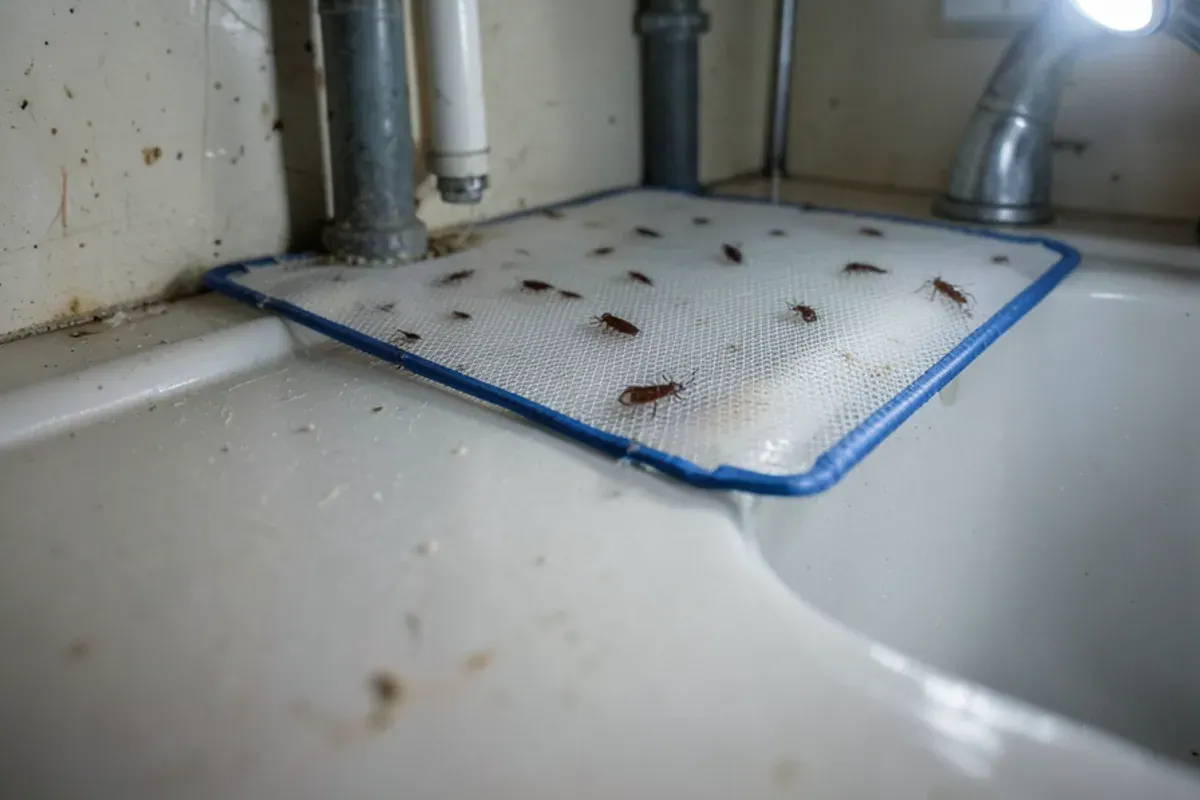
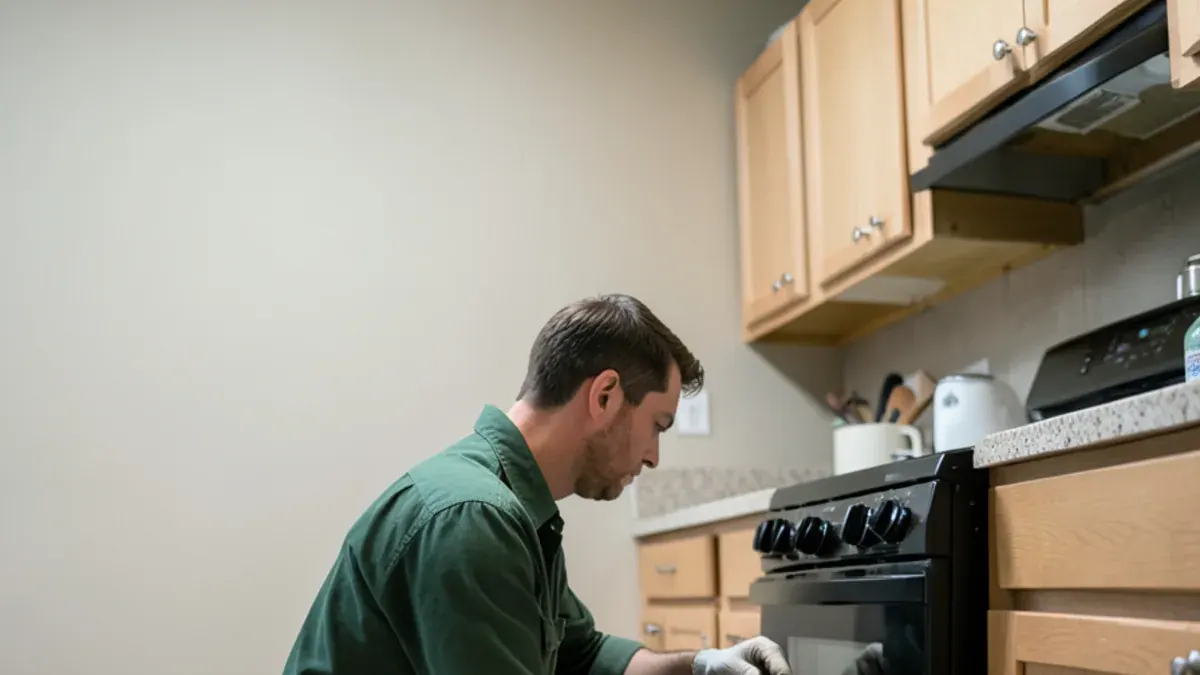
We look where roaches actually live: behind and under the refrigerator and stove, inside cabinet hinges, around sink plumbing, in basement drains and along utility lines where pipes pass through walls. We also place sticky monitors, flat glue traps that show which areas have traffic and which species are present.
The monitors turn a guess into a map. After inspection you get documentation of what we found, the species and the plan, and the price is explained before work starts.
What a monitor count tells us
Texas A&M's school IPM program names the adhesive monitor as its main cockroach monitoring tool, and more than five roaches per inspection is its cue to review sanitation and control from the start. We read the same way. A monitor full of small nymphs points to a breeding colony nearby. Mostly adults along a wall points to a travel route from somewhere else.
Cockroach treatment in Columbus: bait, growth regulators and crack and crevice
The method follows the species and the building. These are the tools we choose from, applied per label directions:
- Gel bait: small dots of food-based bait placed where roaches travel, which they eat and carry back to the hiding spot
- Insect growth regulator: a product that interrupts molting so young roaches never become breeding adults
- Crack and crevice treatment: a precise application into the gaps, voids and hinge areas where roaches hide, rather than a broad spray across open surfaces
- Perimeter treatment: an application around the outside of the foundation and door thresholds for roaches that come in from outdoors
- Exclusion: sealing gaps around pipes, doors and utility lines so new roaches cannot walk in
Over-the-counter foggers and sprays tend to push roaches deeper into walls or into the next unit, which makes bait less effective afterward. If you have already used some, tell us what and when.
What should I do before you treat for roaches?
Prep depends on the species, and we give you the specifics when we book. In most homes it comes down to this:
- Empty the cabinets and drawers under the sink and around the stove so we can reach the back corners
- Store food, pet dishes and dry goods in sealed containers or take them out of the room
- Wash dishes and take out the trash before we arrive
- Pull the refrigerator and stove out if you can do it without risk to your back, or tell us and we will plan around it
- Tell us about pets, children, allergies and any aquariums so we can plan around them
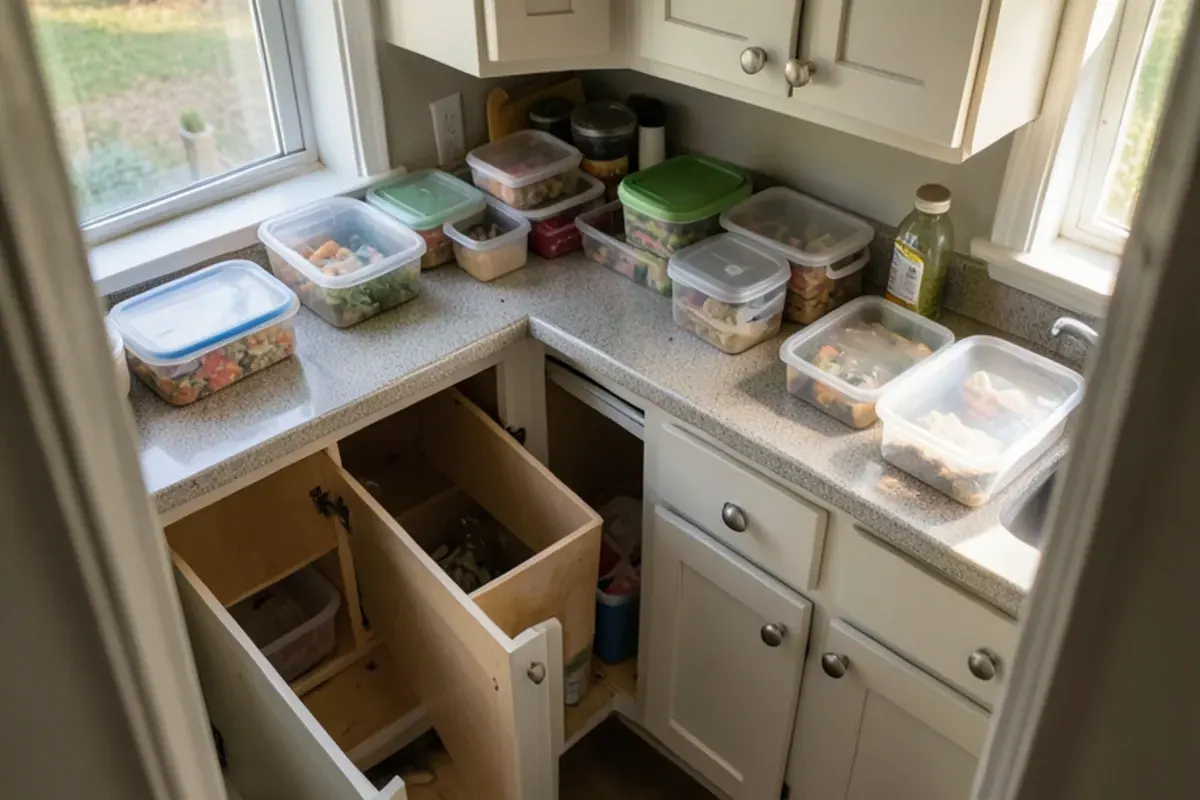
You get the re-entry time from the product label, plus what to wipe down and what to leave alone. Our cockroach prevention checklist covers the sanitation habits that make treatment last.
How many treatments does a roach problem take?
One visit rarely finishes the job, because eggs in capsules survive the first round and hatch afterward. A light problem may need only a follow-up or two, while a heavy German roach infestation takes longer. Here is the course:
- We identify the speciesA specimen or a monitor catch tells us whether this is a kitchen problem, a drain problem or a furniture problem.
- We treat the harborageBait, growth regulator and crack and crevice work go where the roaches live, not where they walk through.
- You live with it for a whileRoaches that eat bait die over days, not minutes. Seeing a few slow ones in the first week is normal.
- We come back and read the monitorsFollow-up visits are biweekly, monthly or bimonthly, depending on what the monitors show.
- We stop when the catch stopsWhen the monitors stay empty and you stop seeing roaches, the course is done. We return as needed if they reappear.
Why we change the bait when counts stall
Some roach populations learn to avoid a bait ingredient, and Texas A&M's guidance on bait programs advises rotating products every few months to manage that. If the monitors stop dropping, the fix is a different bait or a different placement, not more of the same. Baits stay in place until the monitors show no roaches and no egg cases, because a German female carries her egg capsule almost to hatching, and one capsule holds 30 to 40 nymphs (UF/IFAS).
How much does roach removal cost, and how do I hire an exterminator?
We price by the species and the extent of the infestation, and we explain the price before work starts. Square footage matters less than the number of infested rooms, whether the building is shared and how much prep falls on us. We do not quote prices on a web page.
For a rough outside reference, one 2026 aggregator shows $90 to $550 for a one-time Columbus pest visit, and CityCostData (December 2025) shows $99 to $605 per visit. Those are third-party estimates for general pest work, not our quotes.
Ohio requires any company applying pesticides for hire to hold an ODA Pesticide Business License, and the Ohio Department of Agriculture has a public lookup where you can check a company before you hire it. Ask for the price in writing, and ask how many follow-up visits the plan includes.
Questions to ask before you sign
- Which species do you think I have, and what did you see that tells you?
- Where will the bait go, and which products will you use?
- How many follow-up visits does the plan include, and how far apart?
- What do I need to prepare, and how long until I can use the kitchen?
- What is the price, in writing, and what changes it?
Hiring a roach exterminator in Ohio: the ODA business search and the product label
Ohio requires any company that applies pesticides for hire to hold an ODA Pesticide Business License, and the Ohio Department of Agriculture runs a public business search where you can look a company up by name. OSU Extension lists Category 10 as the commercial applicator category for domestic, institutional, structural and health related pest control, which is the one that fits roach work.
Federal law adds a second check. EPA treats the product label as the rule, so a company must apply each bait or spray the way the label directs. Ask which products will go where, what the re-entry time is, and how many follow-up visits the plan includes. In Columbus, Health Code §221.03 expects dwellings to be insect-free, so a landlord has a duty here as well.
Why Boydes Exterminating for this work
American, German, brown-banded and Oriental roaches are all on our work list, so the plan is built for the species you have and not the one we happen to know best.
Boyde's Exterminating Company was established by Mr. Robert Boyde, and Robert J. Boyde Jr. is the owner today. You talk to the owner.
We have worked with homeowners, apartment managers, hotels and restaurants across central Ohio, so a kitchen at home and a kitchen at a restaurant get different plans.
Return visits run biweekly, monthly, bimonthly or as needed. The price is explained up front, and reviewers describe fair pricing with no surprise charges.
Cockroach Control services
Where we do this work
- Columbus About 56% of Columbus homes are rented, and shared walls and plumbing chases carry roaches between units.
- Whitehall About 61% of Whitehall homes are rented, and roach calls lead the work in its apartments and duplexes.
- Urbancrest About 77% of Urbancrest homes are rented, so roaches have many neighboring units to move between.
- Lincoln Village Lincoln Village began in 1955 along U.S. 40, and 38% of its homes are rented.
- Reynoldsburg About 39% of homes are rented, a higher share than most suburbs, with a median build year of 1984.
- Valleyview A tiny village off West Broad Street with a median home built in 1950 and 28% rented.
- Bexley The median Bexley home dates to 1944, and older basements with floor drains suit American and Oriental roaches.
- Groveport About 31% of homes are rented, and Rickenbacker-area distribution employers move cardboard freight, a common roach carrier.
- Gahanna About 31% of Gahanna homes are rented, so a single unit's roaches can become a building problem.
We handle roaches across Columbus and the suburbs around it, including Dublin, Grove City, Reynoldsburg, Westerville and Hilliard. See the full list of service areas or call to ask whether your street is covered. We also reach London, Marysville and West Jefferson.
Cockroach Control: common questions
How many treatments does a roach problem take?
A light problem may need an initial treatment and one or two follow-ups, while a heavy German roach infestation takes longer. Egg capsules survive the first round and hatch later, so we return and read the monitors. The plan depends on the species, the building and how well the prep gets done.
Which cockroaches are common in Columbus?
German, American, Oriental and brown-banded cockroaches are the four we treat. German roaches dominate kitchens and apartments, American and Oriental roaches favor damp basements and drains, and brown-banded roaches settle in bedrooms and closets. A photo or a monitor catch usually settles which one you have.
What should I do before you treat for roaches?
Empty the cabinets under the sink and near the stove, seal food in containers, wash dishes and take out the trash. We give you species-specific instructions when you book. Tell us about pets, children, allergies and aquariums, because we ask and plan around them. Do not spray before we arrive.
Can I get rid of cockroaches myself?
Sometimes, if you caught a handful early. Large populations rarely clear with store products, because the roaches live in wall voids and behind appliances where sprays do not reach. Foggers can also scatter them into nearby rooms. Sanitation and sealing help a lot, but they work best alongside professional bait placement.
Do roaches mean my house is dirty?
No. Roaches follow food, water and shelter, and a spotless home can still have them if a neighbor's unit, a damp basement or a delivery box brought them in. Dirty conditions do make a population grow faster. Cleaning helps treatment work, but a clean house is not immune.
Are roaches in a rental the landlord's responsibility?
Often, yes. Columbus Health Code makes the owner of a dwelling with two or more units responsible for eliminating pests, according to Columbus Public Health. Tenants still need to prep their unit and report problems quickly. Our apartment page explains how landlords and tenants coordinate, so one unit is not treated while the neighbor keeps the colony.
Sources
- U.S. Census Bureau, American Community Survey 2019-23, Columbus housing tenure
- Columbus Public Health, Columbus Health Code §221.03 and owner responsibility for pests in multi-unit dwellings
- Ohio Department of Agriculture, pesticide business license search
- CityCostData, pest control cost per visit, Columbus (December 2025)
What customers say
4.5 stars from 55 Google reviews, checked November 2026. Read more reviews · Leave a review
Mr. Boyde’s company is responsive and honest. They answer phone calls, give estimates, and come to your home quickly. Pricing is true to market price with no surprise charges.
Great service. Super dependable. Calls right back. This time he was able to come out same day.
Excellent service, very easy to schedule appointments. No inspection needed to get the job done sooner and very forward about the cost.
Book a roach inspection
Call and describe what you found. We will explain the plan, the prep and the price before work begins.
- Serving Columbus since 1990
- 4.5★ from 55 Google reviews
- Owner-run, based on Dunning Rd
- One-time or recurring service
Boydes Exterminating Co, 1967 Dunning Rd, Columbus, OH 43219