
Insect Control
Spring Ant and Insect Prevention Checklist for Columbus
Spring pest prevention in Columbus is about timing. Ants wake up as the soil warms, mosquitoes follow the first rain, and stinging insects start new nests while they are still small and easy to deal with. A few chores in March, April and May get ahead of all three.
- Serving Columbus since 1990
- 4.5★ from 55 Google reviews
- Owner-run, based on Dunning Rd
- One-time or recurring service
The checklist below is organized by month, with the reason behind each step. Most of it costs little or nothing, and it makes any professional treatment you add later work better.
What should you do in March?
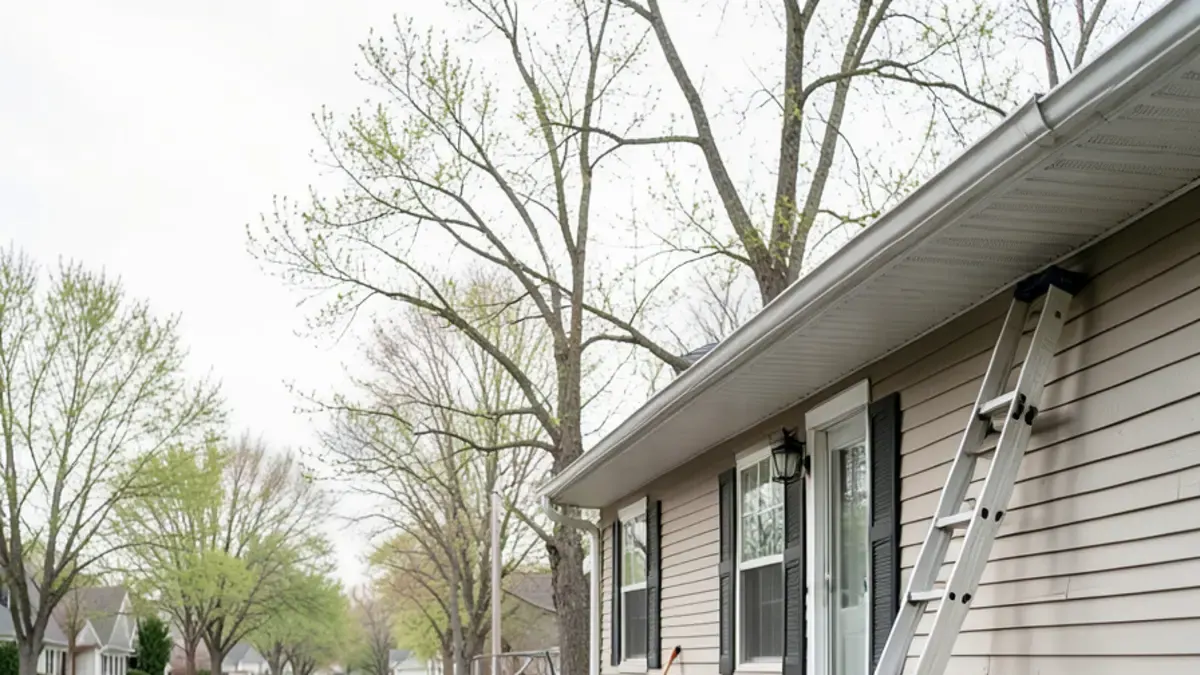
March is inspection month. The ground is still cold, but insects that spent winter in your walls, attic and mulch are starting to stir. Walk the outside of the house with a notebook and fix what you find while the weather is still cool.
- Look for gaps around pipes, vents, window frames and siding seams, and seal them with exterior caulk.
- Repair torn screens and replace worn door sweeps.
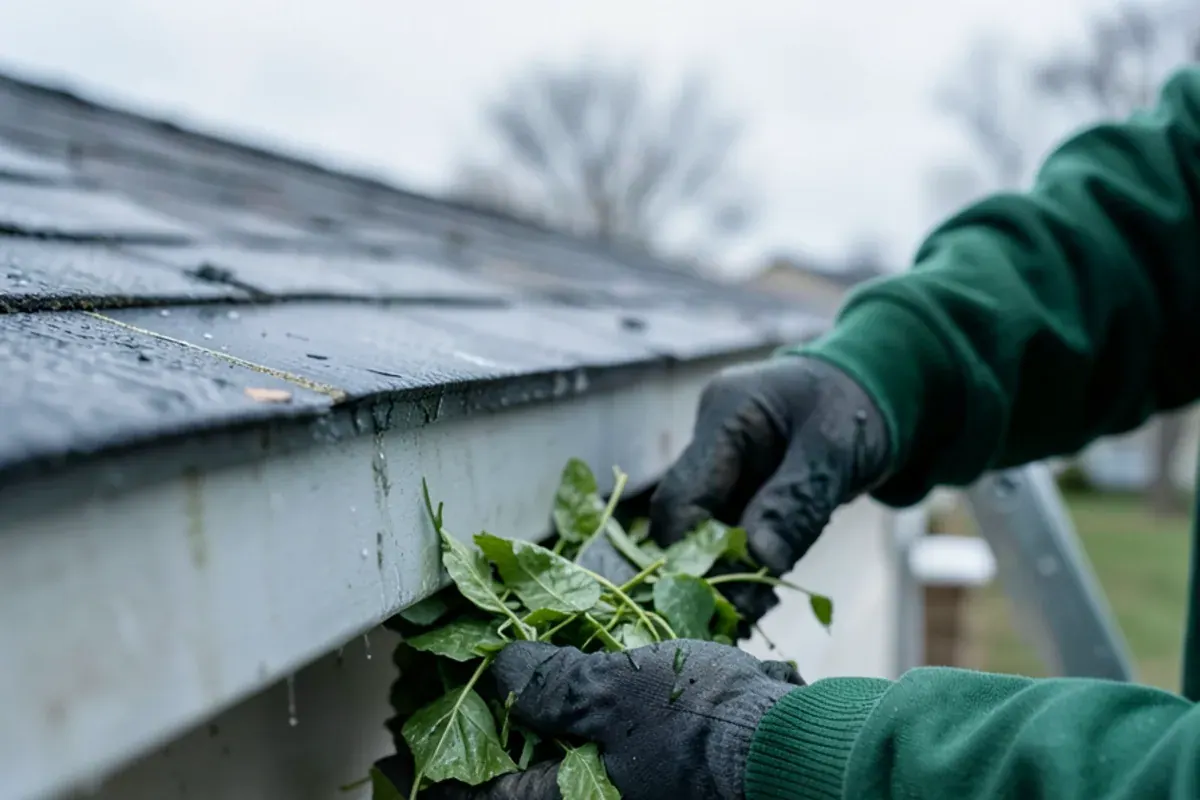
- Clean gutters, since clogged ones hold water that mosquitoes will use in May.
- Check the crawl space and basement for damp spots and leaks.
- Move firewood and lumber away from the house, off the ground.
- Inside, check under sinks and behind appliances for moisture and droppings.
Want a second set of eyes this spring?
Tell us what you found on your walk-around and what showed up last year. We will say what to fix yourself and what to hand off.
- Serving Columbus since 1990
- 4.5★ from 55 Google reviews
- Owner-run, based on Dunning Rd
- One-time or recurring service
What should you do in April?
April is when ants appear. Colonies that wintered under mulch, slabs and foundation cracks go looking for water and food as the soil warms. This is the month to remove what they want, before the first trail crosses the kitchen.
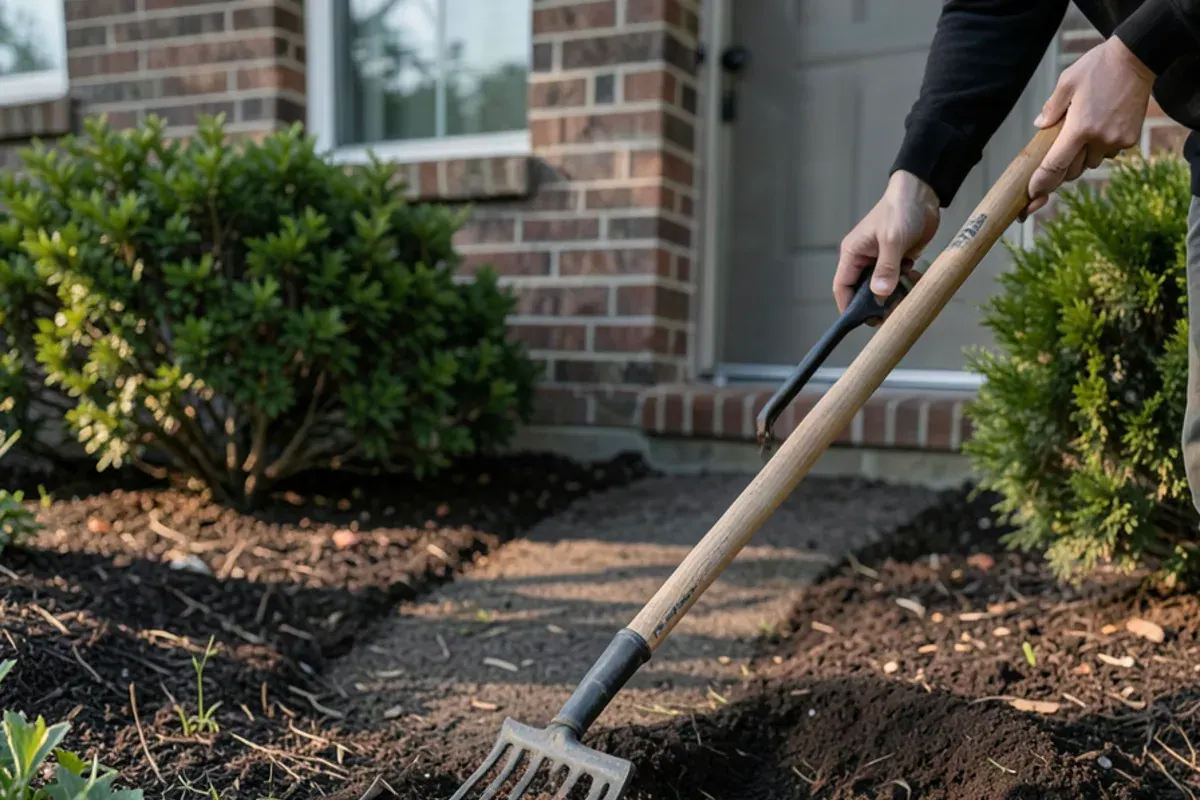
Pull mulch a few inches back from the foundation, since mulch against siding is a nesting spot and a bridge into the house. Trim shrubs and branches that touch the walls, and keep the lawn off the siding. Store sweets, cereal and pet food in lidded containers, and fix any drip under a sink.
If ants have already started, wipe the trail with soapy water and skip repellent sprays, which split some colonies into several. Our post on why ants keep coming back explains what to do instead, and our ant control page covers the treatment.
What should you do in May?
May is water month. Spring rain fills every container in the yard, and mosquito eggs hatch as soon as they are covered. A weekly sweep keeps breeding sites from taking hold.
- Dump and scrub standing water weeklyBird baths, buckets, planter saucers, pet bowls and kiddie pools all count.
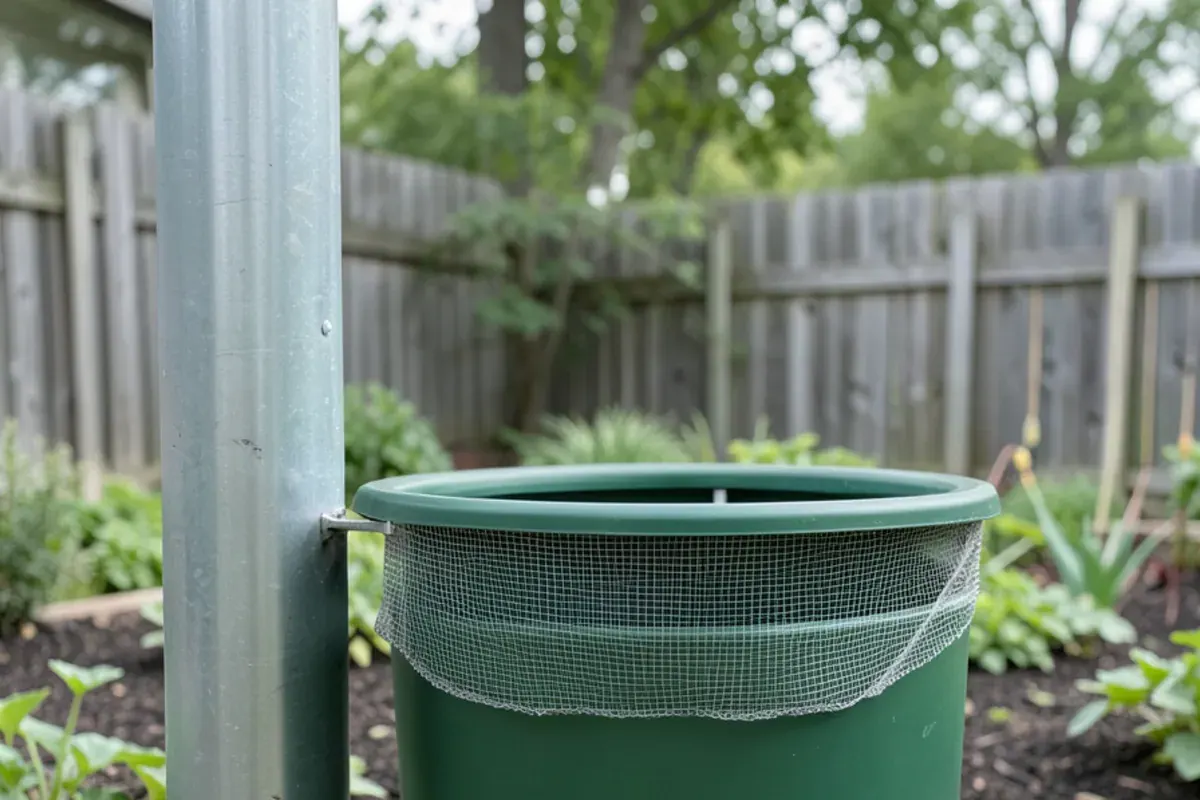
- Screen rain barrels and flip containersA tight mesh lid stops females from laying eggs.
- Look for early wasp and hornet nestsCheck eaves, porch ceilings, shed corners and grills. New nests are small in spring, and you should stay a safe distance from any nest you find.
- Trim shrubs near the patioAdult mosquitoes rest in dense, shaded growth by day.
- Plan your repellent and tick checksTicks are active in spring, so check yourself and pets after time in tall grass.
For the month-by-month picture, read our guide to mosquito season in central Ohio.
Which ticks should Columbus yards expect in spring?
Ohio State's entomology department says the American dog tick is found in every county and the blacklegged tick in nearly every county. The blacklegged tick prefers wooded or bushy areas and turns up where lawns meet woods. It is active year-round whenever temperatures are above freezing, with risk highest in spring, summer and fall. A yard that backs onto woods or a creek corridor deserves a check of the lawn edge and a body check after time outdoors.
What does a ten-minute weekend routine look like?
A monthly list is useful, but insects respond to weather week by week. This short loop catches problems while they are small. Do it every Saturday from April to June:
- Start at the front door and look at the sweep, the corners and the porch ceiling for early nests.
- Walk the foundation and check the mulch line, downspout ends and any spot where water pools.
- Empty and rinse every container that holds water, then flip it over.
- Look at the first ant trail you find and follow it back to the wall or crack where it starts.
- Open the cabinet under the kitchen sink and look at the pipe collar with a flashlight.
- Write a line in a notebook with the date and what you saw.
The notebook matters more than it sounds. If an ant trail comes back at the same corner three weekends running, you have a nest or an entry point to point to. A pest professional can start from that line, and it saves you from guessing in July.
Which spring checks matter most inside your house?
Outside work gets the attention, but the inside tells you whether it worked. Spend ten minutes a month on the spots that show trouble first.
| Where to look | What you might find | What it suggests |
|---|---|---|
| Under the kitchen sink | Damp wood, ants, small roaches at night | A leak or an entry point along the pipes |
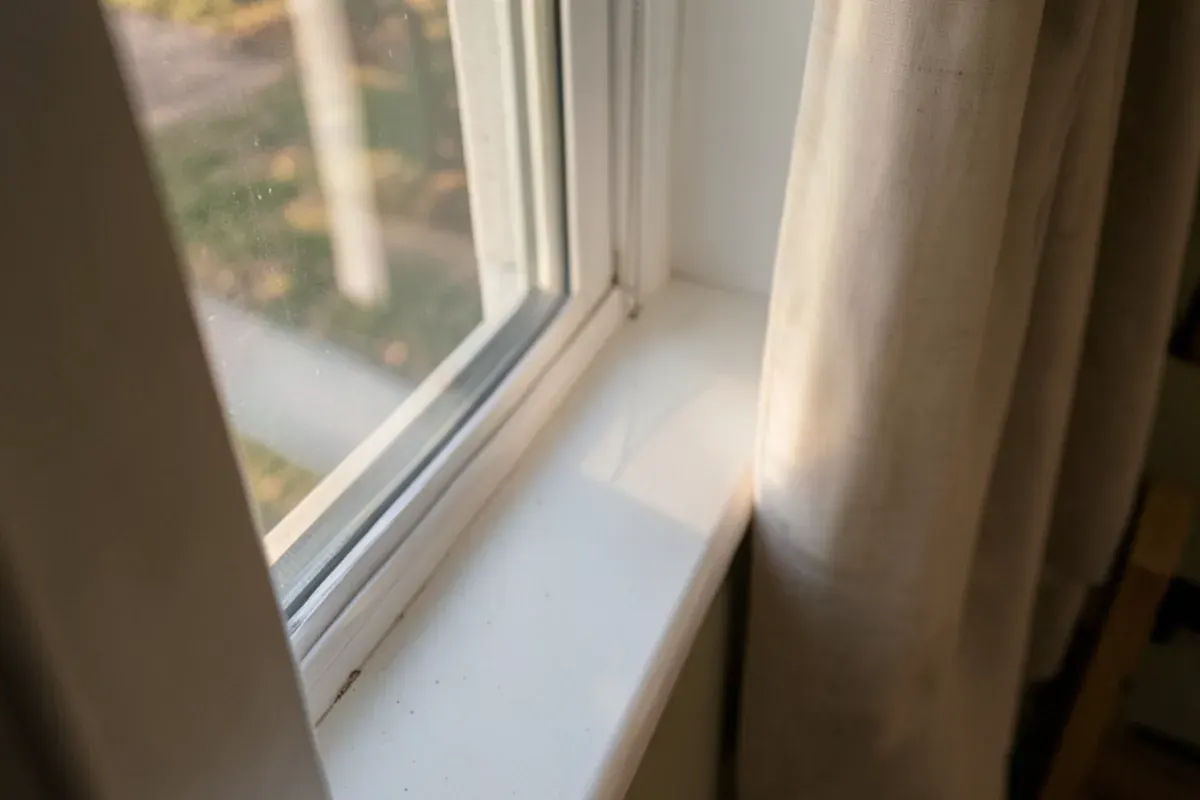
| Windowsills and door frames | Dead or slow insects, small piles of debris | Gaps that need caulk or weatherstripping |
| Pantry shelves | Webbing, small moths, beetles in dry goods | Stored food needs sealed containers |
| Baseboards by exterior walls | Ant trails, insect droppings | A trail from outside, worth following |
| Basement or crawl space | Moisture, spiders, silverfish, centipedes | Humidity that needs ventilation or a fix |
How does the checklist change in an older Columbus home?
Housing age and type change which insects you meet. The median Columbus home was built in 1980, according to ACS 2019-23, and older foundations have more cracks, more crawl spaces and more places for moisture to collect. Dublin's median home dates to 1996, with about 23% rented, so ants and mosquitoes near the Scioto River corridor and newer landscaping beds matter more than basement pests.
In older houses, prioritize moisture and foundation gaps first. In newer builds, put the weight on mulch, landscaping and gutters. In shared buildings, ask the manager about common-area treatment, since your neighbors' habits affect you.
How we use a spring checklist with customers
We hand out the same advice every year, because it works. Dry the water, pull back the mulch, seal the gaps and trim what touches the house. A property that does those four things needs less from us.
When a checklist is not enough, we talk through a seasonal plan. Follow-up visits can run biweekly, monthly, bimonthly or as needed, and one-time service is available as well. We explain the options and the price before work starts.
A checklist has limits. It will not reach a nest inside a wall, a colony under a slab or a wasp nest in a soffit you cannot get to safely. It also will not fix a leak that keeps the same cabinet damp. If you have done the four basics for a month and ants still cross the kitchen, a call is worth it. If you find a handful of ants once in April, the list is all you need.
If you want help deciding, call and tell us the kind of house, the age and what you saw last summer. Our insect control page lists the insects we handle across the season.
Related questions
When should I start spring pest prevention in Ohio?
Start in March with sealing and gutter cleaning, then move to ants and mulch in April and standing water in May. Insects respond to soil temperature and rain, so a warm early spring pulls the schedule forward. Do the outside inspection first, while the weather is cool.
Does mulch attract bugs?
It can. Mulch holds moisture and gives ants, earwigs and other insects shelter, especially when piled against the foundation or siding. Keep it a few inches back from the wall and spread it thinly. A thick bed next to the house is the usual problem.
What bugs come out first in spring in Columbus?
Ants, overwintered mosquitoes, ticks and stink bugs and boxelder bugs leaving the walls are among the first. Wasps and hornets start new nests as it warms. The order shifts with the weather, but ants and wintering bugs usually show up before mosquitoes build.
Is a spring perimeter treatment worth it?
It can be, for homes with a history of ants or other crossing insects. A perimeter treatment is a band of product around the outside, applied per label directions, and it works best with sealing and tidy landscaping. We explain the plan and the price before work starts.
How often should I walk my yard in spring for pests?
Once a week from April through June works well, and it takes about ten minutes. Insects respond to rain and temperature, so a warm week can start a trail or a nest before the monthly list catches it. Dublin lots with fresh mulch beds near the foundation are worth a look each time.
Work the list one month at a time and the summer gets quieter. For help with what a checklist cannot reach, see our insect control page or our ant control service, or call (209) 563-1650 to talk through your house. We serve Dublin, Columbus and the neighboring suburbs.
Sources
- U.S. Census Bureau, American Community Survey 2019-23, Columbus and Dublin housing
- Columbus Public Health, mosquito prevention guidance (standing water and EPA-registered repellents)
- Ohio State University Entomology, Bite Site: ticks (county range, habitat and seasonal risk of Ohio's common ticks)
Questions about this? Call the shop.
Tell us what you are seeing and we will tell you what happens next.
- Serving Columbus since 1990
- 4.5★ from 55 Google reviews
- Owner-run, based on Dunning Rd
- One-time or recurring service
Boydes Exterminating Co, 1967 Dunning Rd, Columbus, OH 43219