
Boydes Exterminating Co
Mite Control in Columbus, OH
Mite control in Columbus, OH starts with naming the mite, because tiny red specks on a sunny windowsill and unexplained itchy bites call for very different fixes. Boydes Exterminating Co separates clover mites, grain mites and the mites that follow mice, then treats the source and not just the specks. This page is part of our insect control in Columbus work, so you can see everything else we handle too.
- Serving Columbus since 1990
- 4.5★ from 55 Google reviews
- Owner-run, based on Dunning Rd
- One-time or recurring service
Most mites people find indoors never bite and are only a nuisance. A few do bite, and when they do, there is usually another pest behind them. Here is how to tell which kind you have and what happens next.
What are the tiny red bugs on my windowsill?
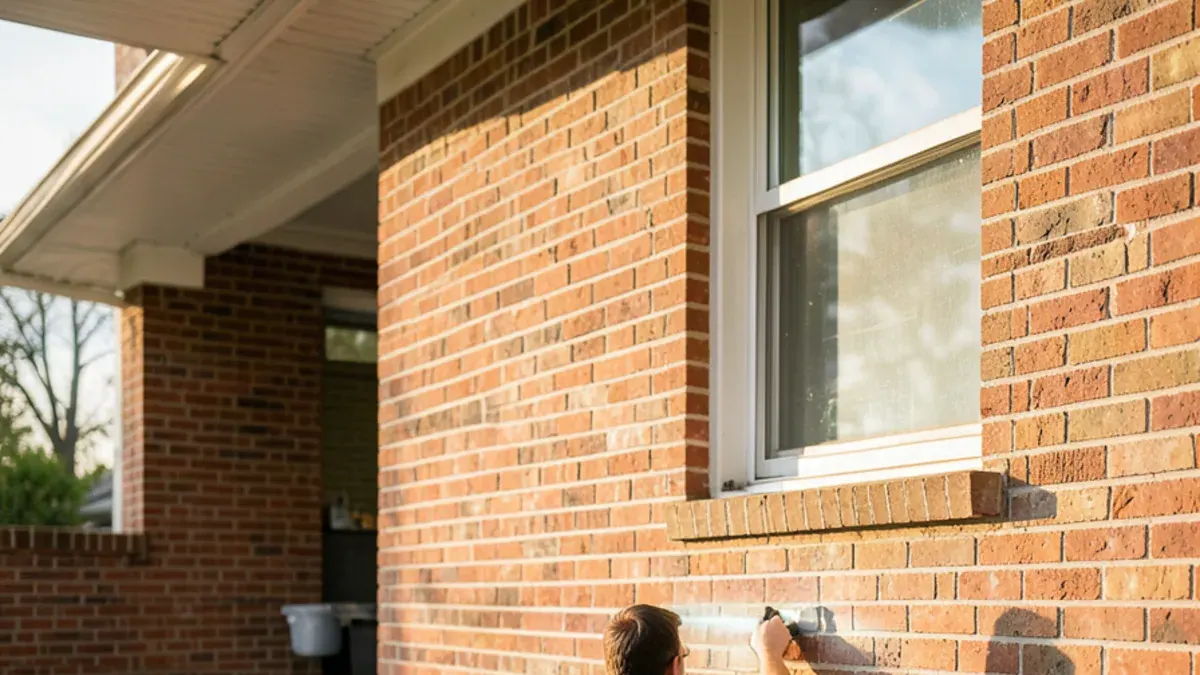
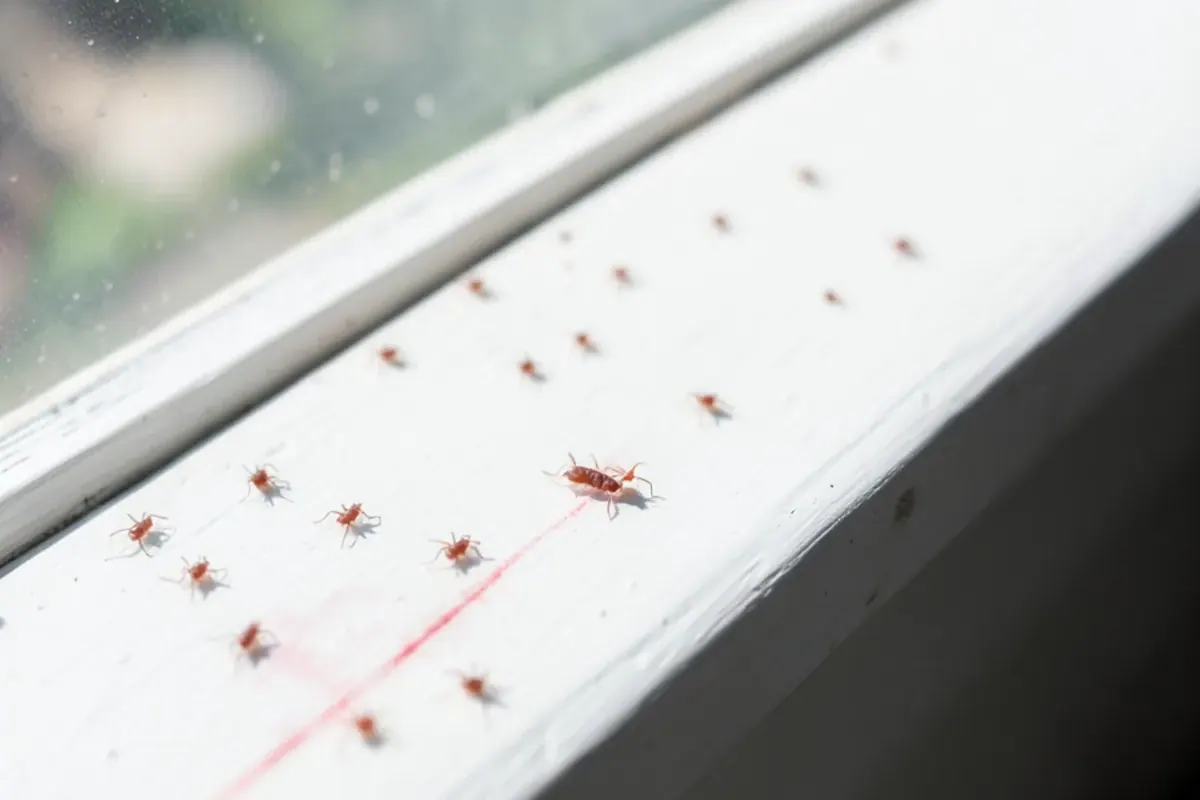
Pinhead-sized red or rust-colored specks that crawl across a sunny sill or the siding are almost always clover mites. Look closely and you will see that the front pair of legs is much longer than the rest, so they look like they are walking on tiptoe. Crush one and it leaves a red smear.
Clover mites feed on grass and plants, not on you. They do not bite people, do not chew on the house and do not breed in your kitchen. They get indoors by crawling through gaps around window frames, door frames and siding, usually in spring and fall.
- Large numbers of moving specks on a south or west wall in the afternoon
- Red streaks on curtains or sills when someone wipes with a hand or cloth
- Specks that vanish within a few days once the weather shifts
- No bites, no rash, no spots on bedding
If the specks are pale, nearly colorless and only show up in flour, cereal or pet food, you are looking at grain mites. Those belong to our pantry pest control work, and the fix starts with the food, not the window.
Clover mites in Columbus: why the lawn sends them to your walls
Clover mites thrive on lush, well-fed lawn. Many newer Columbus-area subdivisions have grass planted right up against the foundation, and that is a direct highway from the turf to the siding. Older brick homes on the east side have their own version of the problem, with ivy and thick shrubs pressed against the walls.
They gather on the sunniest side of a building because the warm wall draws them. A south or west face with a dense lawn below it is where we expect to find them first. Cool, bright days in spring and fall bring them out, and they slow down in the summer heat.
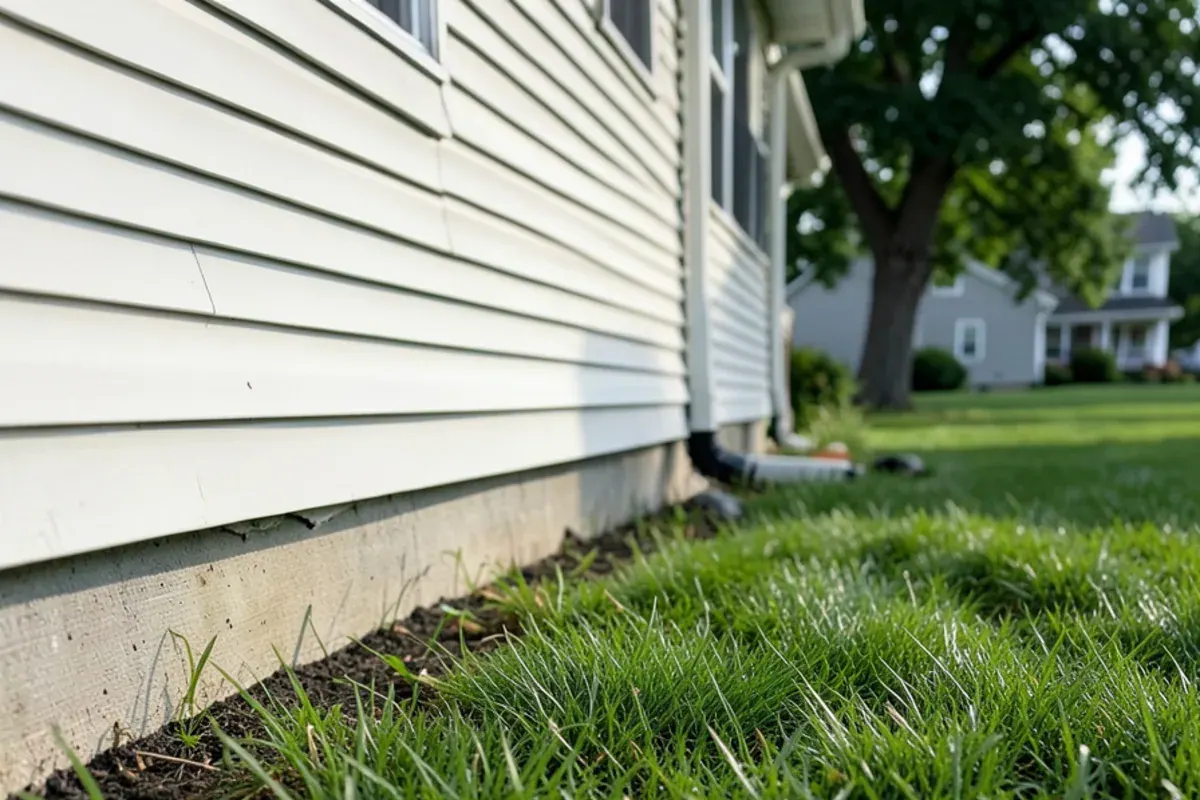
Spraying the lawn is rarely the answer. The mites live in the turf in huge numbers, and treating the strip along the foundation and the walls they climb is what interrupts the trip to the window.
Not sure what you are looking at?
Take a photo of the specks on white paper and call us. We will tell you what it likely is before anyone sprays.
- Serving Columbus since 1990
- 4.5★ from 55 Google reviews
- Owner-run, based on Dunning Rd
- One-time or recurring service
Prefer to write it down?
Calling is fastest. The form comes to the same desk, and we call you back during business hours.
Call (209) 563-1650Rodent mites: when bites point to mice in the walls
A different group of mites lives on mice and rats. They stay on their hosts, but when a rodent dies or the family moves out of a wall void, those mites go looking for a new meal. If that wall void sits above a bedroom or behind a couch, people feel the bites and see nothing to point at.
Clues that point to rodent mites include small, itchy red bites on skin that is usually covered, bites that appear in clusters after several days of quiet, and a recent sign of mice such as droppings, gnawing or scratching sounds in the ceiling. A skin condition can look similar, so see a doctor if the bites persist. We cannot diagnose skin problems, only the pest side.
This is why we ask about mice before we treat for mites. Spraying a bedroom does little when the source is in the wall, so the mouse activity gets dealt with first. The mites have nowhere to go once the rodents are gone, and the bites fade as they die off without a host.
How we handle a mite problem around a Columbus home
The right method depends on which mite you have. We pick from a short list and explain the trade-offs before anyone starts:
| Approach | What it does | Fits best when | Trade-offs |
|---|---|---|---|
| Vacuuming | Picks up mites on sills, curtains and walls without crushing them | Clover mites are already indoors in small numbers | Quick relief only, since more can follow from outside |
| Vegetation strip | A bare band of mulch or gravel along the foundation breaks the path from lawn to wall | Grass or ivy touches the house | You may lose some garden bed or lawn edge |
| Exterior perimeter treatment | Labeled product applied to the foundation, window frames and walls mites climb | Repeated spring or fall invasions on the same walls | Timing matters, and it needs a repeat when the season does |
| Rodent source work first | Stops the mouse activity that carries mites into living space | Bites with no outdoor pattern and signs of mice nearby | Takes longer, since the rodent problem comes first |
Spraying indoors is a last resort for clover mites, since they are on the way out as soon as the weather turns. We read the label for every product, apply it per label directions and give you the re-entry time before we leave.
What does a mite visit look like, step by step?
- You tell us what you sawA photo of the mites on a white sheet of paper or a piece of clear tape helps us name them before the visit. Note where you find them and when.
- We ask about bites, pets and allergiesBites change the plan, and so do pets, young children and anyone with asthma. That question comes up again at every return trip.
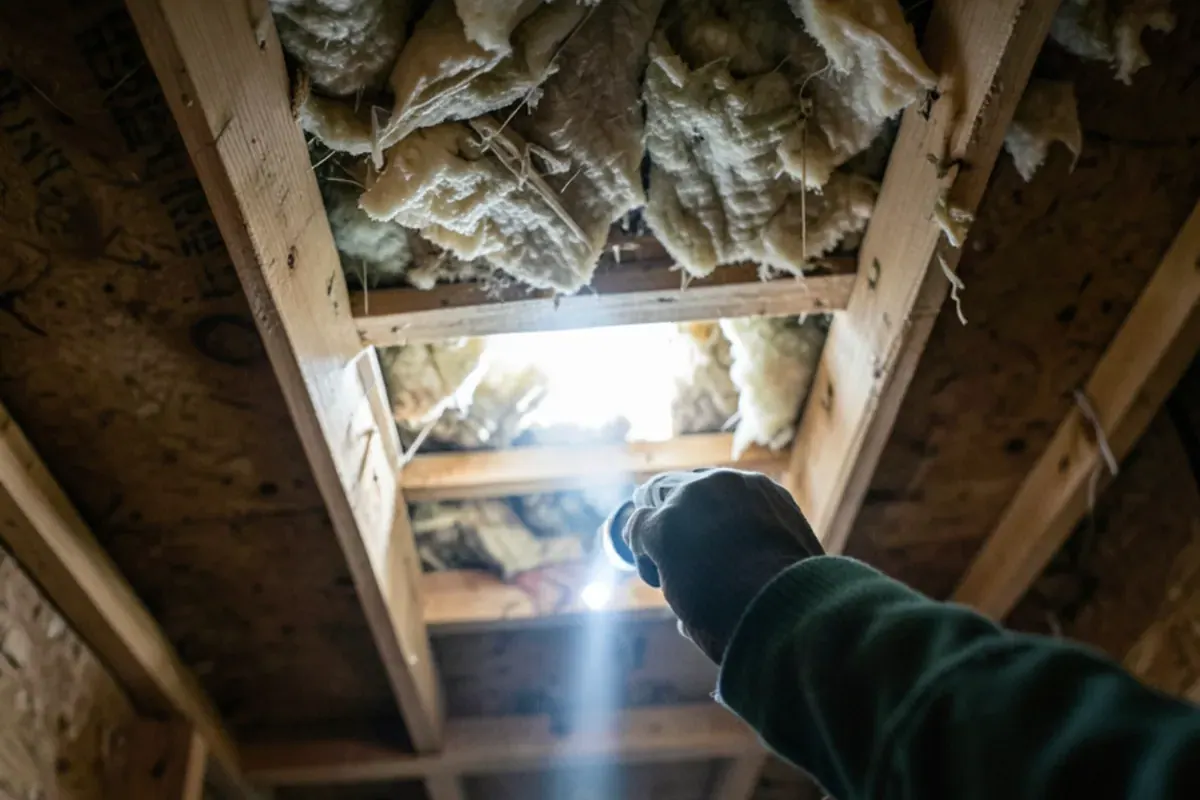
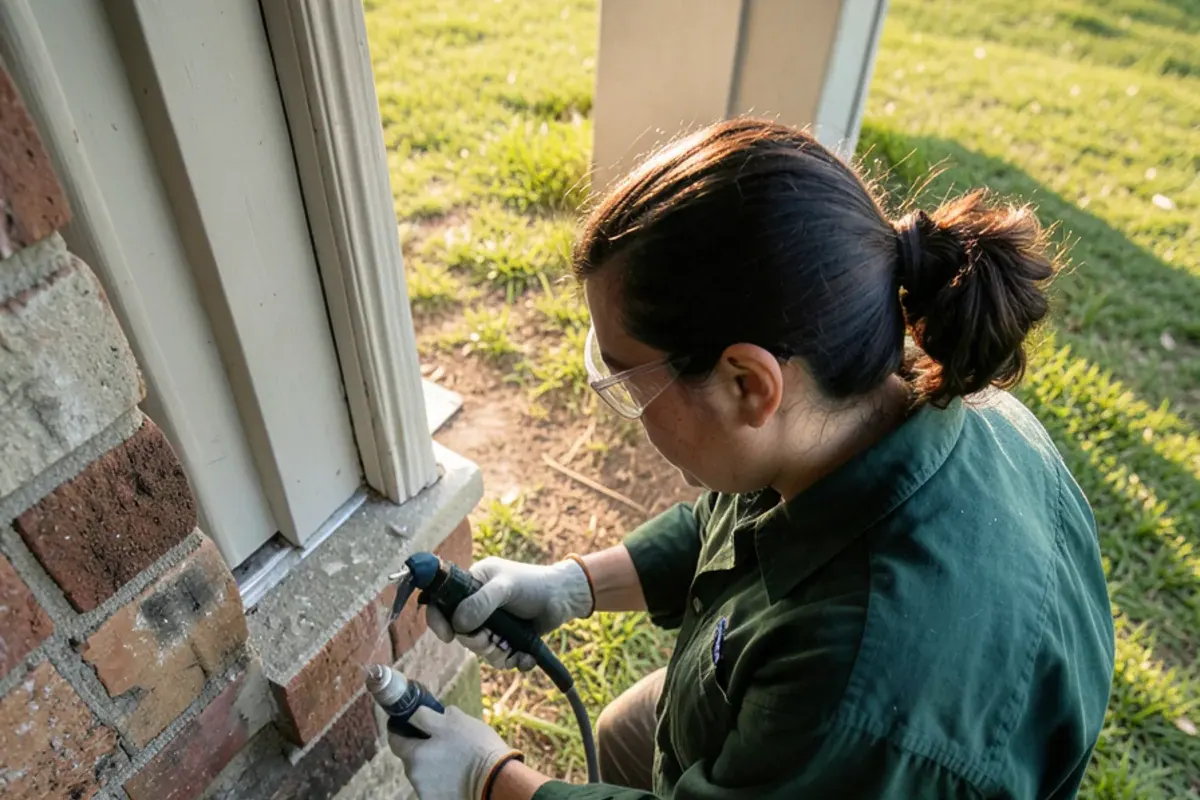
- We inspect inside and outWe walk the foundation, window frames and landscaping, then check attics, wall voids and baseboards for signs of mice.
- We treat what we findThat can be an exterior perimeter treatment, advice on the vegetation strip, or a plan for the mouse problem that is feeding the mites. Products go on per label directions.
- We schedule follow-up if the plan needs itClover mite jobs often wrap up with one repeat visit in the next season. Rodent-related jobs usually need a few follow-ups, which we space out as the situation calls for.
What affects the cost of mite control?
Pricing depends on the type of mite and the extent of the problem. A clover mite job on one wall is a different quote than a bite problem that traces to mice in a two-story house. We explain the price before work starts, and reviewers describe our pricing as fair, with no surprise charges.
The factors that move the number are the length of foundation to treat, how heavy the vegetation is, whether we need to go into the attic or wall voids, and how many follow-up visits the plan calls for.
How to keep mites from coming back
- Keep a strip of mulch or gravel, about a foot or two wide, between the lawn and the foundation
- Trim ivy, vines and thick shrubs back from the walls
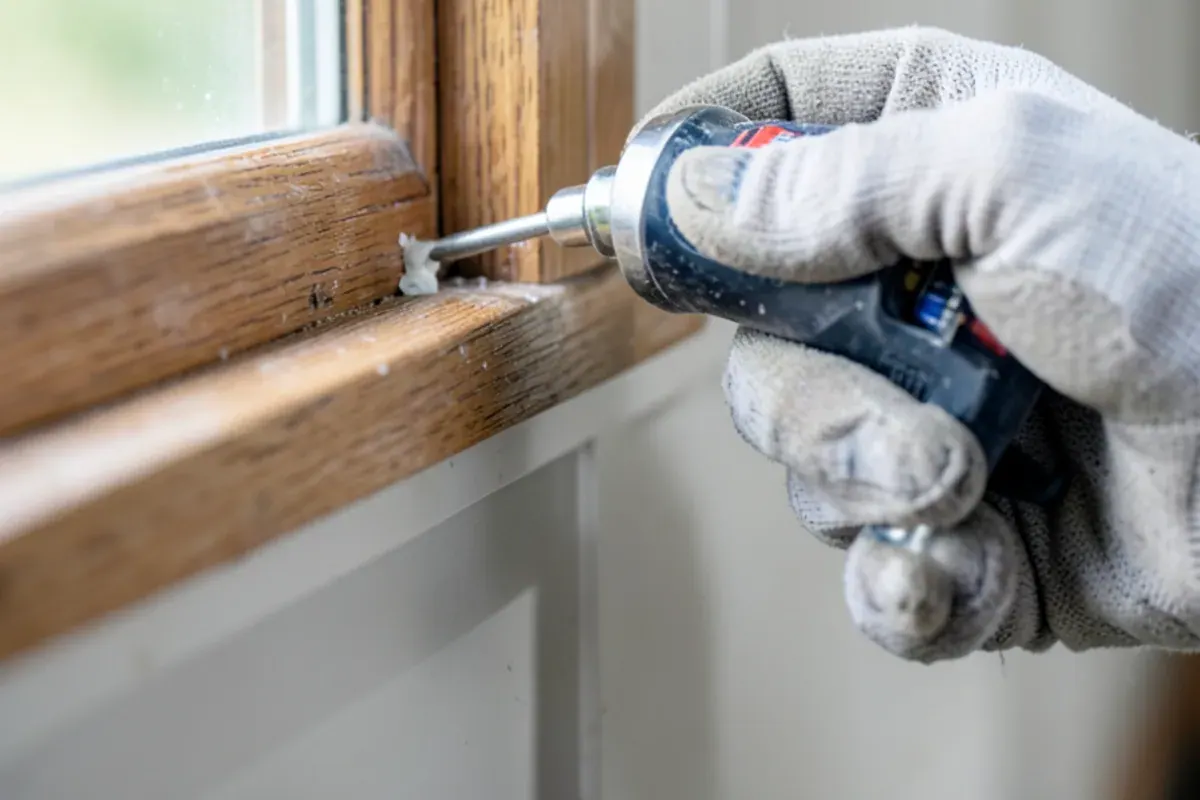
- Caulk gaps around window frames, door frames and utility lines
- Store flour, cereal and pet food in sealed containers to keep grain mites out
- Do not crush clover mites on fabric or walls, because they stain. Vacuum them up instead
If the mites keep returning to the same wall every season, the cause is usually the lawn edge and not the house. If bites keep returning to the same room, start by looking for the pest that is feeding them. Our stink bug and boxelder bug control page covers other pests that gather on sunny walls in the fall.
Mite sprays in Ohio: what the label and the ODA lookup tell you
Federal pesticide law makes the product label binding on every application. It names the pests a product may be used on, the surfaces it may go on and the re-entry time. A product labeled for clover mites on exterior walls cannot be used on a bedroom for rodent mites. Ask any company to name the product and the mite it is labeled for.
Ohio also requires any company that applies pesticides for hire to hold an ODA Pesticide Business License, with a licensed commercial applicator. The Ohio Department of Agriculture runs a public business search, so you can look a company up before it treats your walls. Ohio State University Extension fact sheet HYG-2095 on clover mites also suggests a bare strip at the foundation, which you can build yourself.
Why Boydes Exterminating for this work
Red specks on a sill and itchy bites are different problems. We start by naming the mite so the visit matches the pest, and we ask for a photo on white paper before we arrive.
Robert J. Boyde Jr. owns and runs the company that Mr. Robert Boyde established in 1990 at 1967 Dunning Rd. The person you reach knows your job.
Skin reactions, pets and young children shape what we do, and we ask at each visit. Follow-up comes biweekly, monthly, bimonthly or as needed.
You hear the cost and what it covers before we begin, and the follow-up plan is spelled out. Cash, check, debit or credit all work.
Google shows 4.5 stars across 55 reviews, and reviewers mention honest, plain answers about what they have.
Where we do this work
- Gahanna Median home built in 1985 with Big Walnut Creek through town, so established lawns meet many foundations.
- Dublin Median home built in 1996 and only 23% rented, mostly owner lawns planted up to the siding.
- Westerville Median home built in 1982, with Hoover Reservoir just east and mature yards on sunny walls.
- Upper Arlington A planned suburb begun in 1913 with a median home from 1959, where mature shrubs press against brick.
- Bexley Median home built in 1944 and brick-heavy, where ivy and old shrubs can carry mites to the walls.
- New Albany A planned suburb with a median home from 2005, only 11% rented, and turf laid to the foundation.
- Pickerington Median home built in 2002 and 21% rented, with newer subdivisions where lawn borders the siding.
- Powell Median home built in 2001 and 11% rented, so owner lawns and foundation plantings drive most calls.
- Worthington Founded in 1803 with a median home from 1963, many with mature beds along the foundation.
We handle mites at homes across Columbus, including lawn-heavy suburbs like Gahanna, Dublin, Westerville and Reynoldsburg. See the full list of service areas to check your address.
Mite Control: common questions
What are the tiny red bugs on my windowsill?
Most likely clover mites. They are pinhead-sized, reddish, and travel in large groups on sunny walls in spring and fall. They do not bite people or damage the house, and they leave a red smear when crushed, so vacuum them instead. If they keep coming, the grass or ivy against your foundation is the usual cause.
Can mites come from mice or other pests?
Yes. Mites that live on mice and rats can move into living space when the rodent dies or leaves a wall void. People then get small itchy bites with no visible bug. In that case we look for the rodent activity first, since treating the room alone will not stop a source inside the wall.
Are mites biting me?
Clover mites and grain mites do not bite people. Rodent mites can, and so can chiggers picked up outdoors in tall grass. If bites keep appearing, take a photo of any specks you find and see a doctor about the skin reaction. We can then check the home for what is feeding them.
Do I need to treat the lawn for clover mites?
Usually not. The lawn is where they live, and treating all of it is rarely practical. We focus on the foundation, window frames and the walls they climb, and we suggest a bare mulch or gravel strip along the house. That breaks the route from turf to siding without redoing your yard.
When do clover mites show up in Ohio?
Spring and fall, mostly. They like cool, sunny days, so a bright afternoon in April or October on a south or west wall is when you will see them. They slow down in summer heat and often disappear on their own. Timing a treatment just before those windows works better than waiting until the specks are already inside.
Do you treat dust mites?
No. Dust mites are an allergy issue handled with bedding covers, washing in hot water and humidity control, not with pest treatment. If you are not sure whether you have dust mites or something else, tell us what you are seeing and we will say honestly which problems we can help with.
Sources
What customers say
4.5 stars from 55 Google reviews, checked November 2026. Read more reviews · Leave a review
Mr. Boyde’s company is responsive and honest. They answer phone calls, give estimates, and come to your home quickly. Pricing is true to market price with no surprise charges.
Great service. Super dependable. Calls right back. This time he was able to come out same day.
Excellent service, very easy to schedule appointments. No inspection needed to get the job done sooner and very forward about the cost.
Get the mites sorted out
Tell us where you see them and whether anyone is getting bitten, and we will lay out the plan and the price.
- Serving Columbus since 1990
- 4.5★ from 55 Google reviews
- Owner-run, based on Dunning Rd
- One-time or recurring service
Boydes Exterminating Co, 1967 Dunning Rd, Columbus, OH 43219