
Boydes Exterminating Co
Silverfish Control in Columbus, OH
Silverfish control in Columbus, OH comes down to two jobs: remove the insects hiding in your walls and storage, and dry out the damp spots that made your house comfortable for them. Boydes Exterminating Co treats silverfish as part of our broader insect control in Columbus, and the moisture advice is as much a part of the visit as the treatment itself.
- Serving Columbus since 1990
- 4.5★ from 55 Google reviews
- Owner-run, based on Dunning Rd
- One-time or recurring service
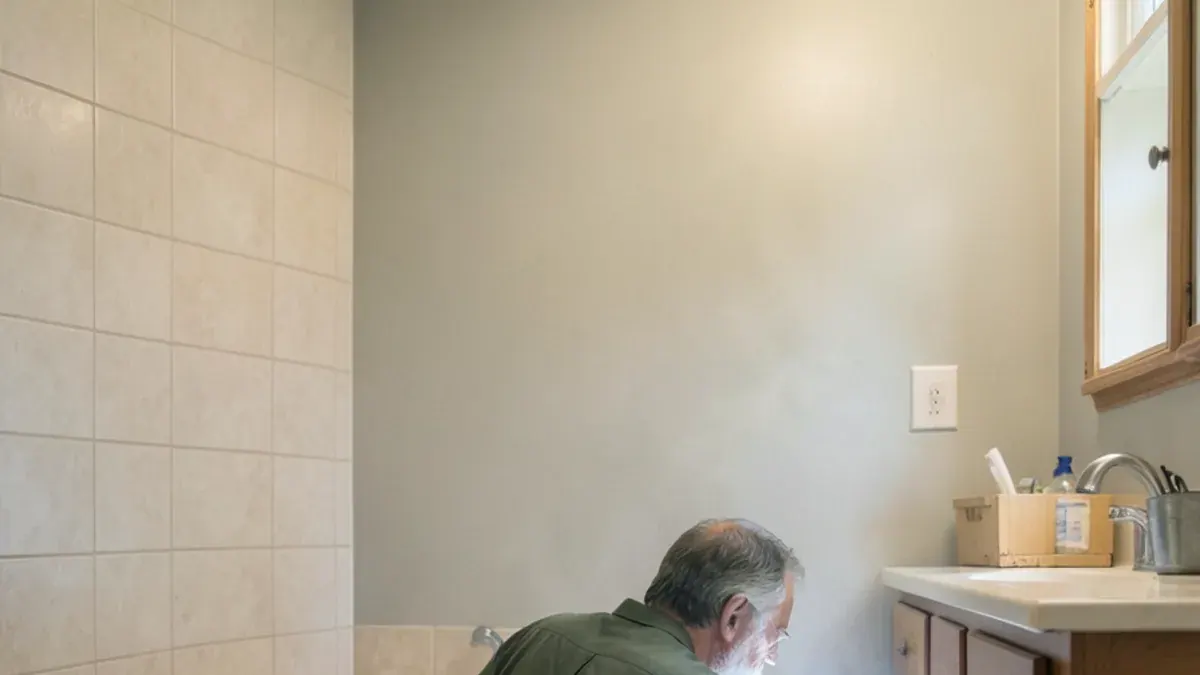
You usually meet a silverfish when you turn on a bathroom light and something silver streaks across the tub. Here is what they are, what they ruin and what ends the problem.
What attracts silverfish to my bathroom?
Humidity and food. Silverfish are night-active insects that dry out quickly, so they gather where the air stays damp: bathrooms, laundry rooms, kitchens under sinks and basements. A shower with weak ventilation or a slow pipe drip is plenty.
The food is everywhere. They eat starches and the sugars in paper, glue, book bindings, wallpaper paste, cardboard, cotton and linen, and dry goods like oats. A bathroom with a roll of tissue and a dusty cardboard box under the sink has a full menu.
Local housing adds to it. About 56% of Columbus homes are rented and the median home was built in 1980 (ACS 2019-23). That means many older bathrooms with small fans or none, and shared plumbing walls in apartments where moisture and silverfish move between units.
Silverfish or something else? How to be sure
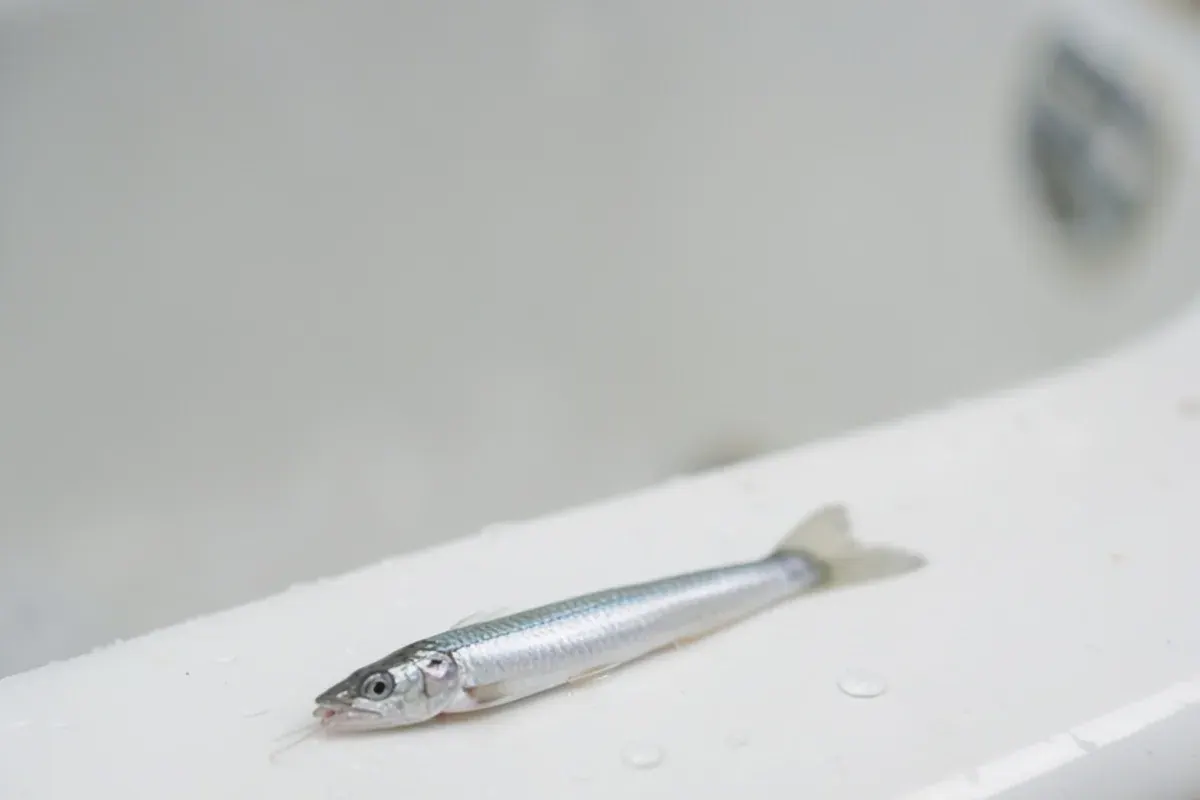
Several small pale pests get lumped together. Look at shape and size:
| Insect | What it looks like | Where it prefers to live |
|---|---|---|
| Silverfish | Silver-gray and teardrop-shaped, with three tail bristles and a wiggling run | Damp bathrooms, basements and stored paper |
| Firebrat | Similar to a silverfish but mottled gray-brown | Hot spots, such as near a furnace or water heater |
| Booklouse | Tiny and pale, much smaller than a silverfish | Damp, moldy paper and cabinets |
| Earwig | Brown, with pincers at the rear end | Mulch, damp foundations and bathrooms |
A clear photo on a white surface makes the difference. A moisture-loving insect with pincers is an earwig, not a silverfish, and the plan differs.
Silver streaks in the tub at night?
Tell us which rooms and what is stored nearby. We will explain what a visit would cover.
- Serving Columbus since 1990
- 4.5★ from 55 Google reviews
- Owner-run, based on Dunning Rd
- One-time or recurring service
Prefer to write it down?
Calling is fastest. The form comes to the same desk, and we call you back during business hours.
Call (209) 563-1650Do silverfish damage books and clothes?
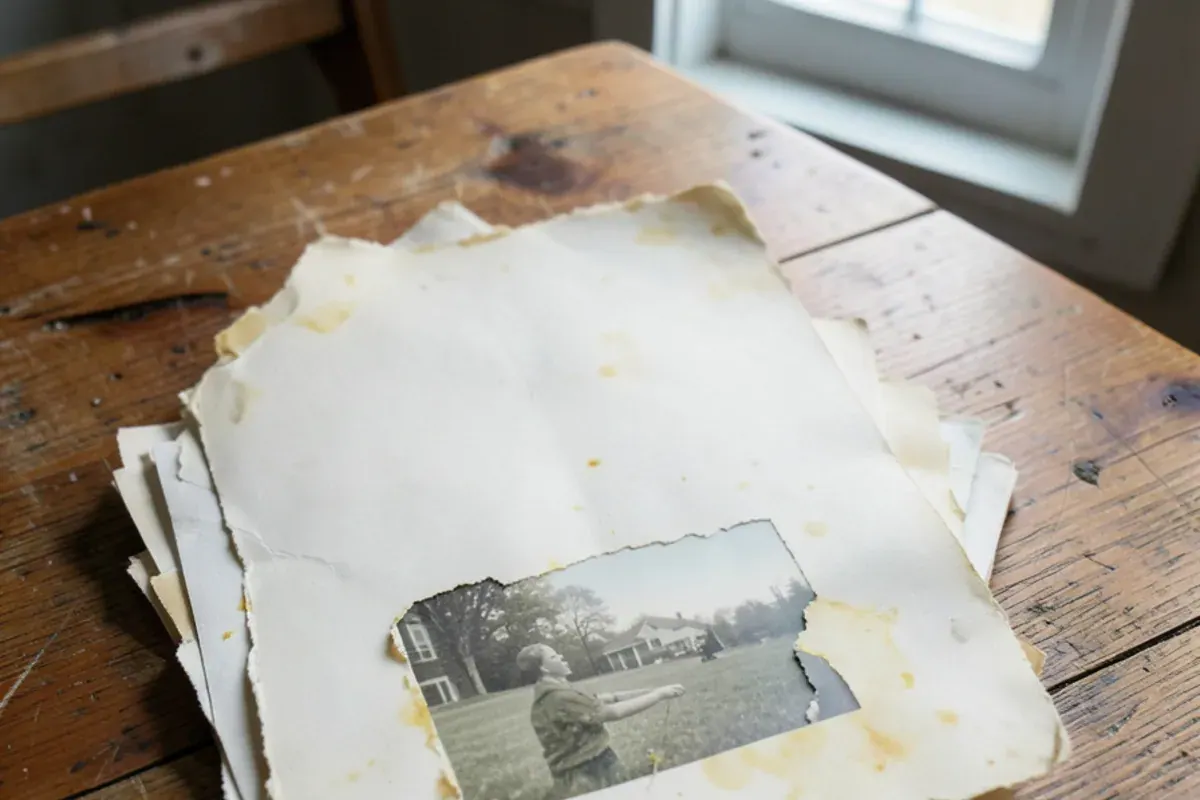
They can, though slowly. Silverfish scrape the surface of paper and fabric, leaving irregular holes, yellow stains and rough, scalloped edges. They also leave fine dark droppings and shed skins, even though they rarely bite or spread disease.
The pieces most at risk are the ones left alone: old photographs, boxes of paper records, wallpaper, books with starch bindings and natural-fiber clothing in cardboard or damp closets. Document storage in a basement is where we see the problem most often.
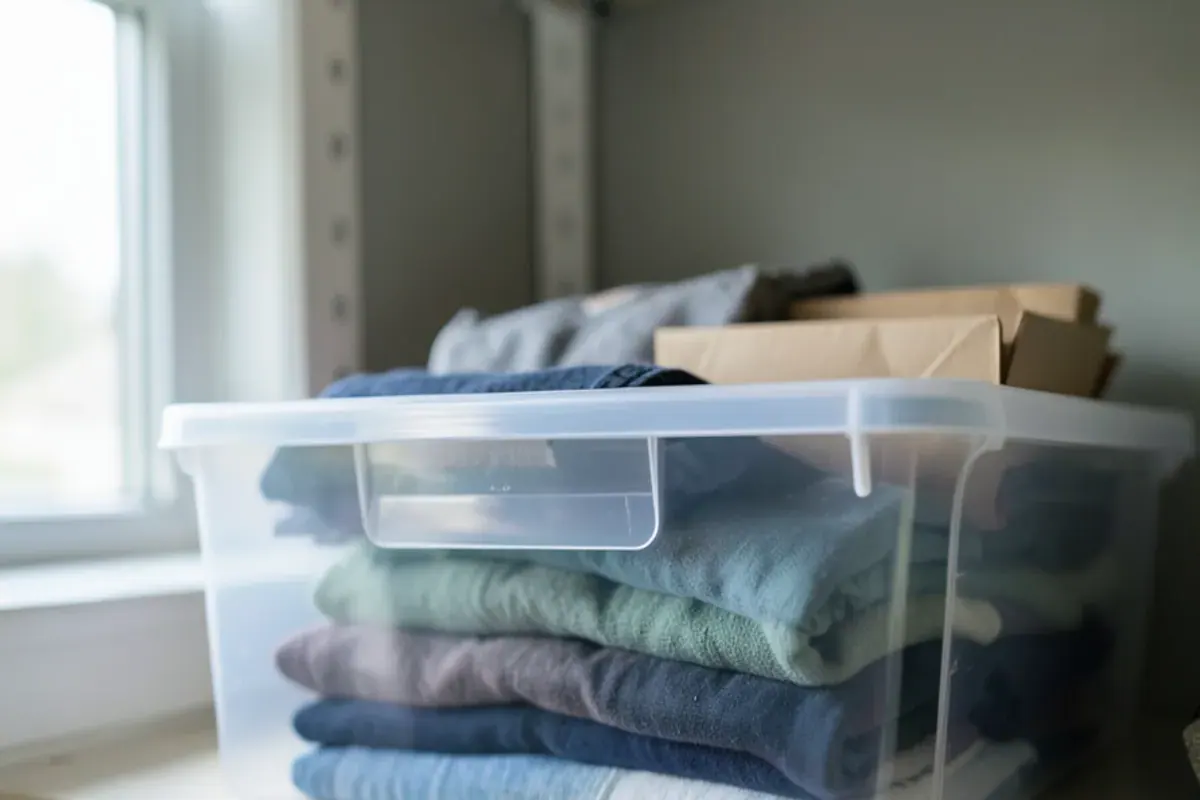
If you have paper you care about, move it to a sealed plastic bin in a drier room before the visit, and tell us what is in the area so we treat the surrounding cracks and not the items.
Will a dehumidifier help with silverfish?
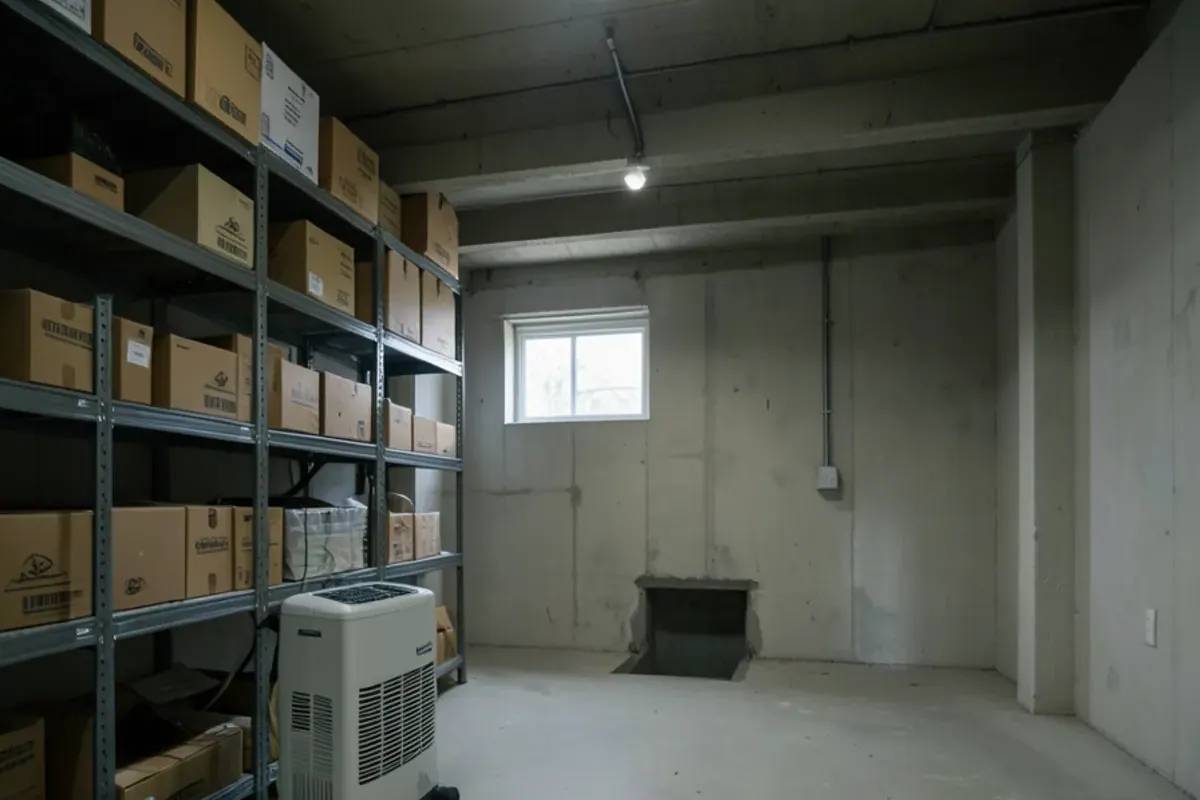
Yes, more than almost any spray. Silverfish struggle in dry air, and many extension guides suggest keeping indoor humidity below about 50 percent. A dehumidifier in the basement and a working bathroom fan can cut the population on their own.
A dehumidifier does not remove insects already living in wall voids and cracks, though. For that you need a treatment that reaches them. The two together work best, because the moisture fix keeps the next group from moving in.
Beyond that, run the bathroom fan during and for a while after showers, repair slow drips, and keep cardboard off damp floors.
How many silverfish do I have? A two-week trap check
You rarely see more than one at a time, because silverfish hide by day. A simple check shows how many there are and where they live before anyone treats a wall.
- Place flat sticky traps, the kind sold for crawling insects, along the baseboard in the bathroom, under the kitchen sink, near the laundry and in the basement storage corner.
- Put a trap beside each stack of cardboard or paper, since that is the food.
- Leave them for two weeks and note which traps filled.
- Write the location and count on each trap, then keep them for the visit.
A trap with several silverfish in one corner points to a nest in the wall void or behind the paper. A trap with one points to a wanderer. The count also tells us whether you need a single treatment and a moisture fix, or a longer course of follow-up visits. Humidity decides the rest: a room that stays above about 50 percent will refill.
How we get rid of silverfish in Ohio homes
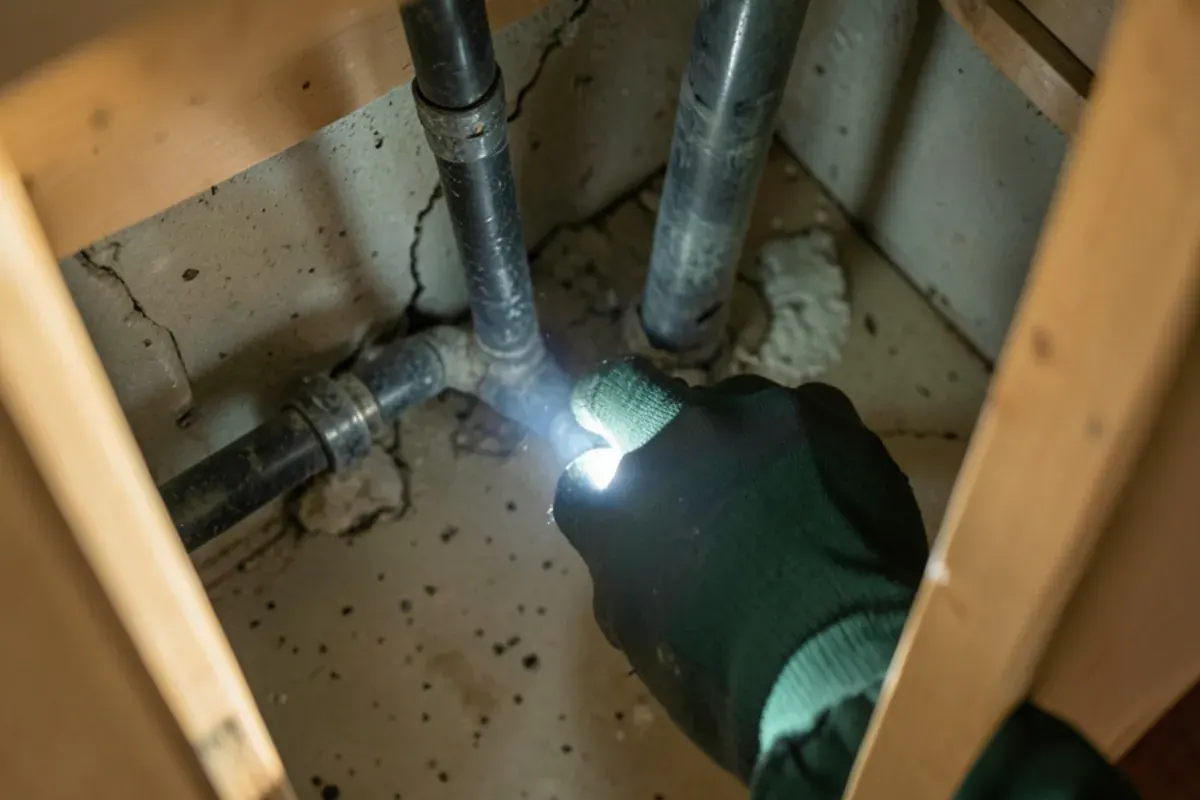
- We find where they liveWe check bathrooms, under sinks, behind toilets, baseboards, laundry areas, attics and basement storage, often with a flashlight and a few monitor traps.
- We ask about moisture and storageLeaks, poor ventilation and cardboard storage tell us why they are there and what to change.
- We treat cracks, voids and edgesCrack and crevice treatment puts product into the gaps along baseboards, plumbing penetrations and wall voids where silverfish hide. We follow label directions and ask about pets, kids and allergies first.
- We add a perimeter treatment where neededIf they are entering from outside, we treat a band around the foundation and entry points.
- We explain the follow-upWe check results and return as needed. You get the re-entry time from the label and the moisture steps to carry out.
How much does silverfish treatment cost?
We price by the extent of the problem and explain the number before we start. A single bathroom with a few insects is a smaller job than a basement with stored paper and a damp crawl space. Square footage, how many areas are involved and whether the source is moisture, storage or both all feed into it.
Silverfish are slow to leave, because they live a long time and survive long stretches without food. A follow-up visit is common, and we tell you the expected number after seeing the property.
How do I keep silverfish from coming back?
Make the house less hospitable:
- Run exhaust fans and fix leaks to keep humidity under control
- Store paper, photos and clothing in sealed plastic bins instead of cardboard
- Seal cracks around pipes, baseboards and bath fixtures with caulk
- Keep dry goods in tight containers and sweep up crumbs and starch spills
- Clear clutter from basement floors so air moves and you can see the walls
Our spring ant and insect prevention checklist includes moisture checks you can do before summer humidity returns.
Silverfish in Ohio rentals and basements: landlord repair duty and the ODA license check
Silverfish follow moisture, and in a rental the moisture is often the landlord's to fix. Ohio Revised Code 5321.04 requires a landlord to keep the premises fit and habitable and to keep plumbing in good working order, so a slow drip or a bathroom with no working fan is worth putting in writing. Columbus Public Health also makes the owner of a building with two or more units responsible for eliminating pests.
If you hire a company, Ohio Department of Agriculture rules require a Pesticide Business License for anyone applying pesticides for hire. ODA's public business search shows whether a license is current.
Ask the company for the product name and the label's re-entry time. Federal law makes the label the rule for where a product goes, which matters in a bathroom, under a sink or beside stored paper. Ask where the company plans to place monitor traps, and what moisture repairs it expects from you.
Why Boydes Exterminating for this work
We tell you where the damp is coming from and what to repair, because treating without drying only buys time.
Paper, photos and fabric draw silverfish. We point out what to move before we treat the surrounding cracks.
Silverfish are slow to clear, and we say so up front and plan the return visits with you.
We work in houses, apartments and commercial spaces, including stockrooms where paper and cardboard collect.
Mr. Since 1990 this has been a Boyde business, now owned and run by Robert J. Boyde Jr. Reviewers on Google give us 4.5 stars across 55 reviews, and they call the pricing fair.
Where we do this work
- Columbus The median Columbus home was built in 1980 and 56% are rented, so older bathrooms and shared plumbing walls hold moisture.
- Bexley A median build year of 1944 means old basements and bath fixtures where humidity lingers and paper gets stored.
- Grandview Heights Median home built in 1954 with 43% rented, so aging basements and shared plumbing chases hold damp air.
- Whitehall About 61% of Whitehall homes are rented, with a median build year of 1961, and shared plumbing walls pass silverfish along.
- Upper Arlington The median home was built in 1959, and older basements are common storage spots for paper and photos.
- Worthington Median 1963 homes near the Olentangy River, where low, damp ground keeps basement humidity up.
- Lincoln Village About 38% of Lincoln Village homes are rented, in a planned community begun in 1955 with aging baths and basements.
- Newark The median Newark home dates to 1963 and 44% are rented, so older plumbing and shared walls matter.
- Lancaster Median home built in 1962 with 43% rented, so older bathrooms and shared plumbing carry moisture.
We treat silverfish across Columbus, Bexley, Grandview Heights, Whitehall and surrounding neighborhoods. Check our service areas page to confirm yours.
Silverfish Control: common questions
What attracts silverfish to my bathroom?
Humidity and starchy food. Bathrooms stay damp after showers, and silverfish eat paper, glue, cardboard and the fibers around them. A weak fan, a slow drip or a box under the sink is enough. They hide in cracks by day and come out at night, which is why you see them when the light flips on.
Do silverfish damage books and clothes?
Yes, slowly. They graze on paper and natural fabrics, leaving ragged holes, yellow staining and fine droppings. Old photos, stored documents, wallpaper and cotton or linen clothing in cardboard boxes are the usual victims. Moving them into sealed plastic bins in a dry room protects them while we treat the surrounding area.
Will a dehumidifier help?
It helps a lot, since silverfish struggle when humidity stays low. Many extension guides suggest staying below roughly 50 percent. It will not clear out the ones already inside walls and cracks, so we pair moisture control with a targeted treatment. Doing both is what keeps them from returning.
Are silverfish dangerous?
They do not bite people or carry disease the way some pests do. The harm is to paper, photos and fabric, plus the droppings and shed skins that build up. Because they are such a sign of excess moisture, a heavy infestation is also a prompt to check for leaks and ventilation.
How long does it take to get rid of silverfish?
Expect several weeks. Silverfish live a long time and hide deep in walls, so one visit rarely ends the problem. Activity should drop after treatment and the moisture fixes. We set a follow-up based on how many rooms are affected and tell you what to watch for between visits.
Sources
What customers say
4.5 stars from 55 Google reviews, checked November 2026. Read more reviews · Leave a review
Mr. Boyde’s company is responsive and honest. They answer phone calls, give estimates, and come to your home quickly. Pricing is true to market price with no surprise charges.
Great service. Super dependable. Calls right back. This time he was able to come out same day.
Excellent service, very easy to schedule appointments. No inspection needed to get the job done sooner and very forward about the cost.
Dry out the problem for good
Call to arrange treatment for the cracks and voids, plus the moisture fixes that keep silverfish from returning.
- Serving Columbus since 1990
- 4.5★ from 55 Google reviews
- Owner-run, based on Dunning Rd
- One-time or recurring service
Boydes Exterminating Co, 1967 Dunning Rd, Columbus, OH 43219