
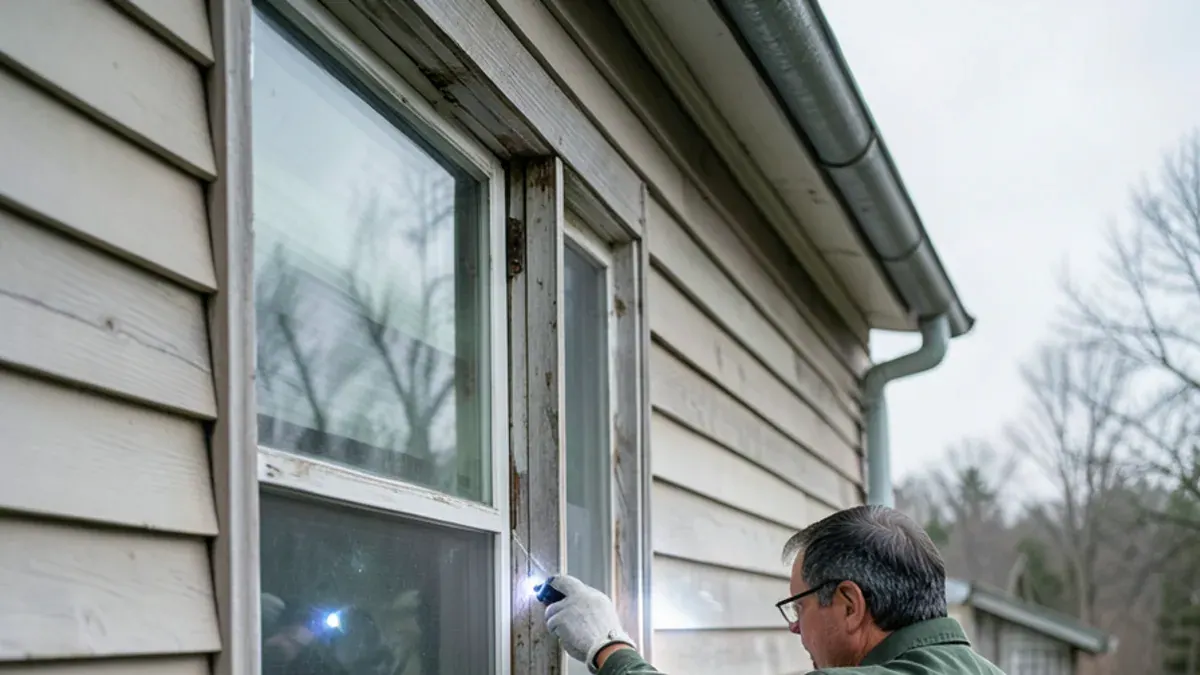
Boydes Exterminating Co
Carpenter Ant Control in Columbus, OH
Carpenter ant control in Columbus, OH means finding the damp, damaged wood where the colony lives and fixing both the ants and the moisture that invited them. Big black ants wandering your kitchen at night are usually scouts from a nest in a wall, a porch post or a stump, and Boydes Exterminating tracks them back to it as part of our insect control in Columbus.
- Serving Columbus since 1990
- 4.5★ from 55 Google reviews
- Owner-run, based on Dunning Rd
- One-time or recurring service
The first question is always whether you have carpenter ants or termites, because the two need different responses. Start there.
How can I tell carpenter ants from termites?
Winged insects coming out of a wall in spring cause a lot of panic, and the two look alike at a glance. A close look at three features separates them:
| Feature | Carpenter ant | Termite |
|---|---|---|
| Waist | Pinched, with a clear narrow middle | Broad, with no narrow waist |
| Antennae | Bent at an elbow | Straight, like a string of beads |
| Wings, if present | Front wings longer than the back pair | Four wings of about equal length |
| What they leave | Clean, smooth tunnels and piles of coarse sawdust | Mud tubes and rough, soil-packed galleries |
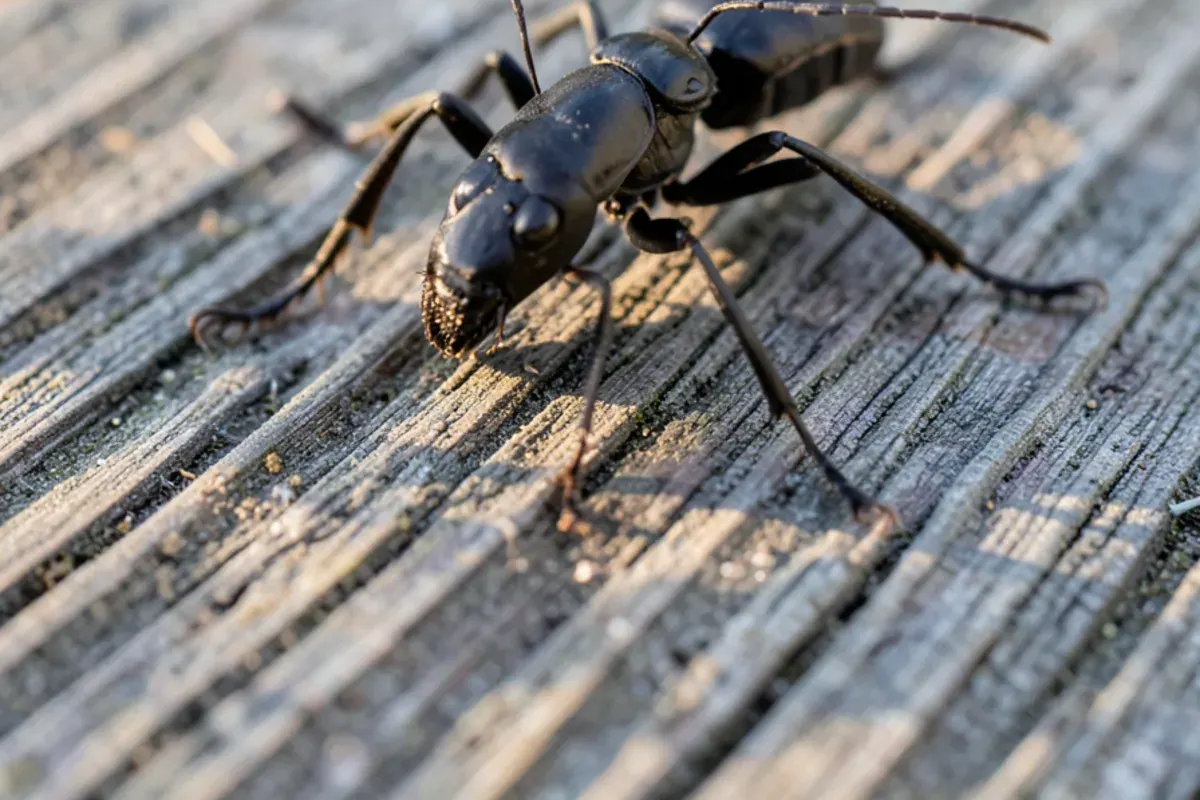
If you are not certain, catch a few in a bag or on clear tape. Mistaking one for the other is a costly mistake in either direction, so we identify before we treat.
Black ants in your house in Ohio: signs of a carpenter ant colony
One large ant in the kitchen could be a stray. A pattern means a nest nearby. Watch for these:
- Ants a half inch long or close to it, mostly seen at night
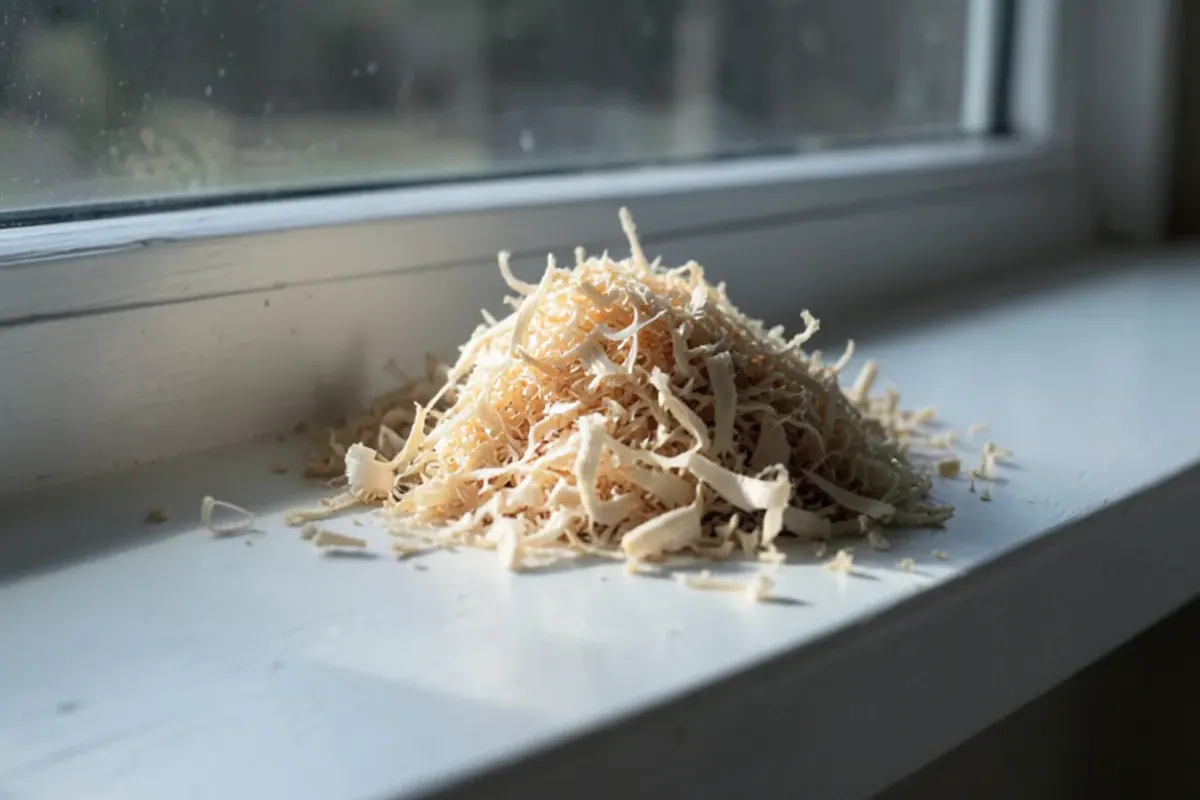
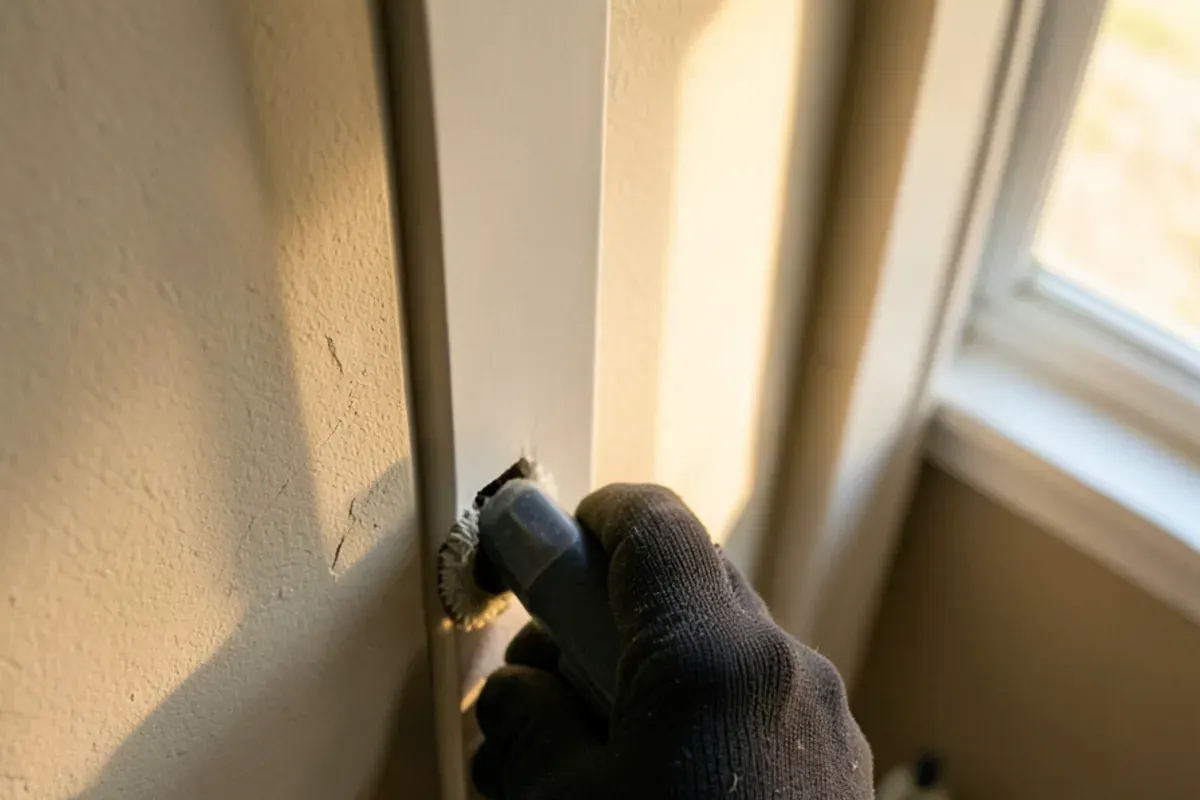
- Small piles of coarse, sawdust-like shavings below a window frame, baseboard or door trim
- Faint rustling or crackling sounds inside a wall
- A trail running to a sink, a dishwasher line or a bathroom
- Winged ants indoors in spring, which suggests a colony inside the house
Those shavings, called frass, are what the ants push out of the tunnels as they dig. Frass is the surest sign that a nest is active close by.
Seeing large black ants at night?
Describe where and when, and send a photo if you can. Frass or winged ants indoors are worth a call right away.
- Serving Columbus since 1990
- 4.5★ from 55 Google reviews
- Owner-run, based on Dunning Rd
- One-time or recurring service
Prefer to write it down?
Calling is fastest. The form comes to the same desk, and we call you back during business hours.
Call (209) 563-1650Are carpenter ants damaging my house?
They can, though slowly. Carpenter ants do not eat wood. They excavate it to make galleries for the colony, and they strongly prefer wood that is already soft from moisture. Damage builds over months and years, which is why catching a nest early matters.
Colonies also come in two parts. A main colony often lives outdoors in a stump, a dead tree or a woodpile, and smaller satellite colonies move into a house where wood stays damp. Treating only the satellite leaves the parent colony sending more workers. We look at the yard as well as the walls.
If you are buying a house and an inspection mentions carpenter ants, Ohio requires any company doing wood-destroying insect inspections for real estate sales to hold an ODA Pesticide Business License. You can look up a company on the Ohio Department of Agriculture's pest business search before you hire anyone.
Where is the carpenter ant nest, and does the wood have to be wet?
Wet wood is the usual answer, and it is not the only one. Extension guidance from Texas A&M says nests are more common in wood with higher moisture, while Iowa State notes that moisture and decay are not always required. A dry wall void or an attic beam can hold a colony once ants find a way in.
So we look beyond the leak. Places we check first:
- Window and door frames, especially on the weather side of the house
- Porch posts, deck ledgers and the wood where a roof meets a wall
- Under sinks, dishwasher lines and bathroom walls
- Attic framing below roof penetrations, such as plumbing vents
- Stumps, firewood and old trees within a short distance of the house
Finding the nest matters more than anything we apply, since extension specialists at Rutgers call locating it the first and most important step. Workers that carry treated material back to the colony do the rest, which is why we avoid wiping away the trail before the visit.
Why do carpenter ants show up in spring?
Winter slows the colony. As temperatures climb, workers resume foraging and mature colonies produce winged males and females that fly out to mate. Central Ohio homes tend to see the first activity as the weather warms, and any winged ants found indoors are a sign the colony is inside the house.
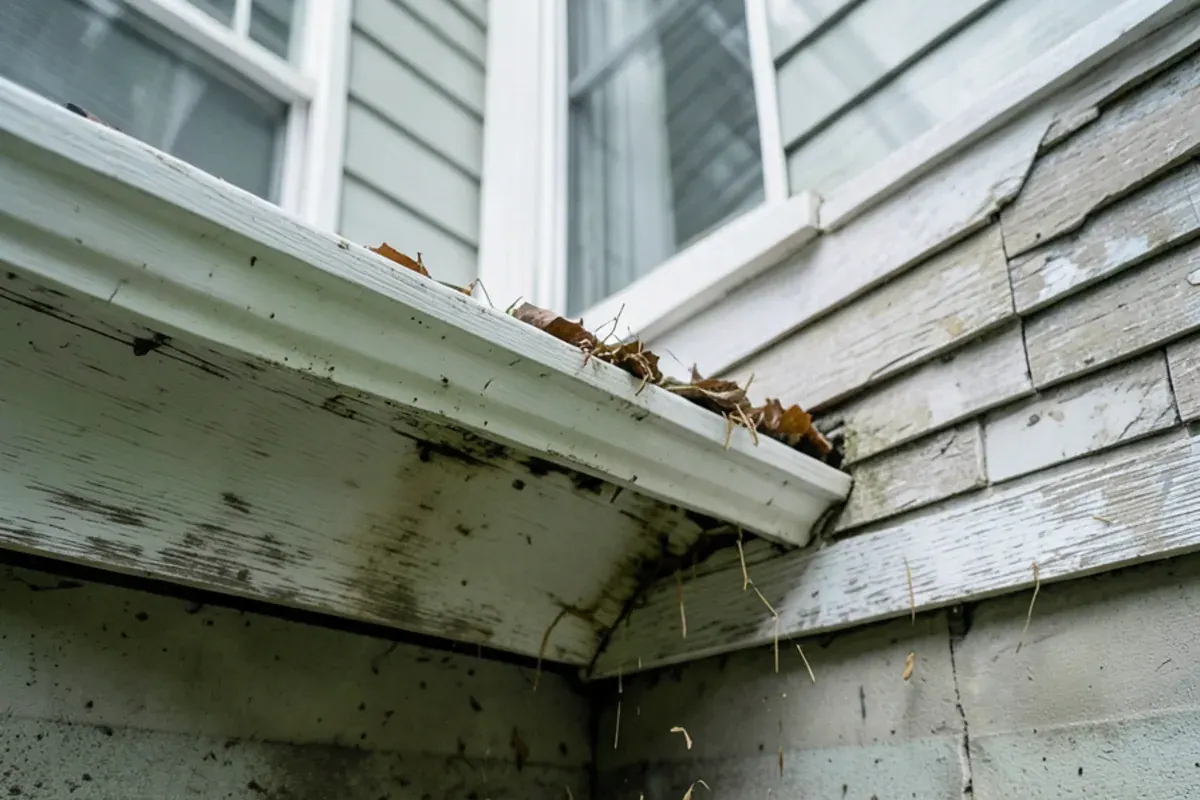
Wet springs add to it. Rain soaks fascia boards, deck posts and window frames, and carpenter ants move into the soft spots. A gutter that overflows onto the same corner of the house every year is a classic setup. Older Columbus homes, with a median build year of 1980 (ACS 2019-23), have had more years for leaks and caulk failures to build up.
How we find and treat a carpenter ant nest
- We confirm the antSize, waist, antennae and the frass tell us it is a carpenter ant and not a termite or a smaller species.
- We follow the foragersCarpenter ants forage along edges, branches and utility lines. We trace trails to entry points and look for damp wood, soft spots and frass.
- We check the moistureLeaks under sinks, roof flashing, a failing deck post or clogged gutters tend to explain why the nest is where it is. We point out what needs a repair.
- We treat the nest areaWhere the nest is in a wall void, we treat the void through a small access point. We add a perimeter treatment around the foundation and crack and crevice work where trails enter. Products are applied per label directions.
- We plan the follow-upWe check back as the plan calls for, since activity should drop steadily. If it does not, we look for a second nest.
What does carpenter ant control cost?
The price follows the size of the infestation and where the nest sits, and you hear it before work starts. Carpenter ant jobs vary more than most ant work because the nest may be inside a wall, in the yard or in both. We do not name a number until we have seen the property.
The main factors are how many nests there are, whether they are reachable, the size of the home, and how many follow-up visits it takes. Structural repair of damaged wood is a separate job done by a carpenter, not by us. We can tell you whether the damage looks minor or whether to call someone before the ants are dealt with.
How do I keep carpenter ants from coming back?
The ants follow moisture and shelter, so the fix is mostly property care:
- Repair roof, gutter and plumbing leaks and replace soft or rotted trim
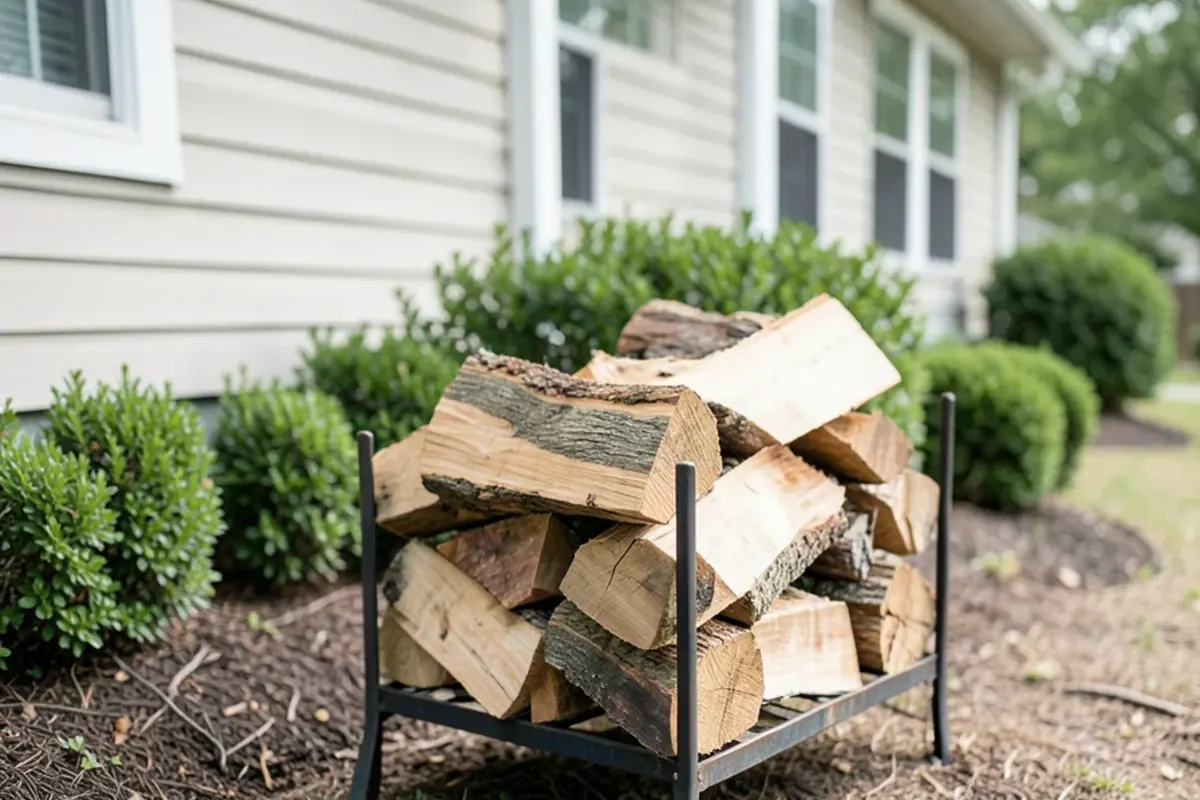
- Keep firewood off the ground and away from the house
- Trim branches and shrubs that touch the roof or siding, since those are ant bridges
- Remove stumps and dead trees near the home
- Ventilate crawl spaces and attics so wood can dry out
Our post on why ants keep coming back explains the colony logic, and the spring ant prevention checklist helps you plan inspections by month.
Carpenter ant work in Ohio: ODA categories 10a and 10b and who may inspect
Ohio Department of Agriculture lists General Pest Control (Category 10a) and Termite Control (Category 10b) as separate commercial applicator categories, and 10b covers wood-destroying insects. Carpenter ants live in wood but are not termites, so the job can blur the line. Ask any company which category its applicator holds for your job.
ODA's public Pesticide Business search shows whether a business license is current. Ohio requires that license for pesticide application for hire and for wood-destroying insect inspections tied to a real estate sale.
A buyer should also read what the report says. Active frass, damp trim or soft sill plates belong in writing, along with the location, so the seller or a carpenter can act on it. Federal law makes the product label the rule for any treatment, so ask for the product name and re-entry time.
Why Boydes Exterminating for this work
A carpenter ant job is part pest work and part building detective work. We look for the soft, wet wood behind the trail and tell you what it means.
If what you found looks more like termite activity, we say so. Giving a wrong name to the problem helps nobody.
Reviewers mention ant problems handled quickly, and we come back when a return visit is part of the plan.
We give you the price and the plan first, then start.
Where we do this work
- Columbus The median Columbus home was built in 1980, and years of leaks and damp trim give carpenter ants soft wood.
- Bexley A median build year of 1944 means decades-old wood trim, porches and window frames where moisture has settled.
- Worthington Median 1963 homes with mature trees, where leaves held wet against old siding invite carpenter ants.
- Upper Arlington Median 1959 homes under established tree canopy, with branches that touch roofs and give ants a bridge.
- Grandview Heights The median home dates to 1954, and aging flashing and chimney joints let water into framing.
- Gahanna Big Walnut Creek runs through Gahanna, and damp ground near the creek keeps wood moist.
- Whitehall A 1961 median build year and Big Walnut Creek nearby mean aging wood and persistent moisture.
- Westerville Hoover Reservoir lies just east, and wooded lots near the water put stumps and dead limbs beside houses.
- Lancaster Lancaster's median home dates to 1962 and the Hocking River runs through town, so aging wood meets damp ground.
We handle carpenter ants in Columbus, Gahanna, Bexley, Worthington and neighborhoods across the east and north sides. The full coverage list is on our service areas page.
Carpenter Ant Control: common questions
How can I tell carpenter ants from termites?
Look at the waist, antennae and wings. Carpenter ants have a pinched waist, elbowed antennae and front wings longer than the back wings. Termites have a thick waist, straight antennae and four equal wings. Carpenter ants also leave coarse sawdust-like frass, while termites leave mud tubes. A photo or a specimen on clear tape will settle it.
Are carpenter ants damaging my house?
Possibly. They do not eat wood, but they tunnel through it to build galleries, especially wood softened by moisture. Damage is slow, but it adds up as a colony grows. The ants point you to a moisture problem, so fixing the leak matters as much as treating the nest. We check for both.
Why do they show up in spring?
Colonies wake up as the weather warms, workers start foraging and mature colonies send out winged males and females to mate. Spring rain also soaks wood in fascia, window frames and decks, which makes tunneling easier. Winged ants indoors suggest a nest inside the house, so call when you see them rather than waiting.
Can I just spray the ants I see?
Spraying visible workers does not reach the nest, and carpenter ant colonies can have satellite nests in other spots. It can also hide the trail you need to follow. Leave the ants alone, note where they walk, and call. A trail followed to the entry point is how we find the nest.
How many visits will carpenter ant control take?
It depends on the nest. A reachable nest in one wall may be treated in a visit with a check afterward, while a main colony in a stump plus a satellite in the house needs more. We lay out the expected number of visits after the inspection and add follow-ups as needed when activity continues.
Sources
- U.S. Census Bureau, American Community Survey 2019-23, Columbus median year built
- Ohio Department of Agriculture, Pesticide Business Search (rule for wood-destroying insect inspections)
- Rutgers NJAES, Carpenter Ants (FS1101); Texas A&M AgriLife Extension, Carpenter Ants; Iowa State Extension, Carpenter Ants and Their Control
- Ohio Department of Agriculture and Ohio State University, commercial pesticide applicator categories 10a and 10b
What customers say
4.5 stars from 55 Google reviews, checked November 2026. Read more reviews · Leave a review
Excellent service, took care of our major ant issue quickly and even came back out when a small area had a resurgence.
They got rid of our Carpenter Bees and Ants in ONE DAY
Mr. Boyde’s company is responsive and honest. They answer phone calls, give estimates, and come to your home quickly. Pricing is true to market price with no surprise charges.
Find the nest before it spreads
Call with your address and what you have seen. We will explain what we think it is and what comes next.
- Serving Columbus since 1990
- 4.5★ from 55 Google reviews
- Owner-run, based on Dunning Rd
- One-time or recurring service
Boydes Exterminating Co, 1967 Dunning Rd, Columbus, OH 43219