
Boydes Exterminating Co
Spider Control in Columbus, OH
A spider exterminator in Columbus, OH cannot make spiders vanish forever, but we can cut their numbers sharply by treating webs, entry points and the insects they feed on. Boydes Exterminating Co handles spiders as part of our insect control in Columbus work, and we start by telling you which spiders you have, because most of the ones in Ohio homes are a nuisance and not a danger.
- Serving Columbus since 1990
- 4.5★ from 55 Google reviews
- Owner-run, based on Dunning Rd
- One-time or recurring service
Basements, garages and window frames collect the most complaints. This page covers the species, the brown recluse question and what a treatment includes.
Which spiders are common in Ohio homes?
Central Ohio houses see the same handful of species over and over. Knowing which is which tells you whether to worry and where to look.
| Spider | How to recognize it | Where you find it |
|---|---|---|
| American house spider | Small, brownish, with a rounded abdomen; builds tangled cobwebs | Corners, ceilings, basements and porches |
| Cellar spider | Very long, thin legs and a tiny body; hangs in loose webs | Basements, crawl spaces, garages |
| Wolf spider | Hairy, brown and fast; hunts on the ground rather than spinning a web | Garages, basements, door thresholds |
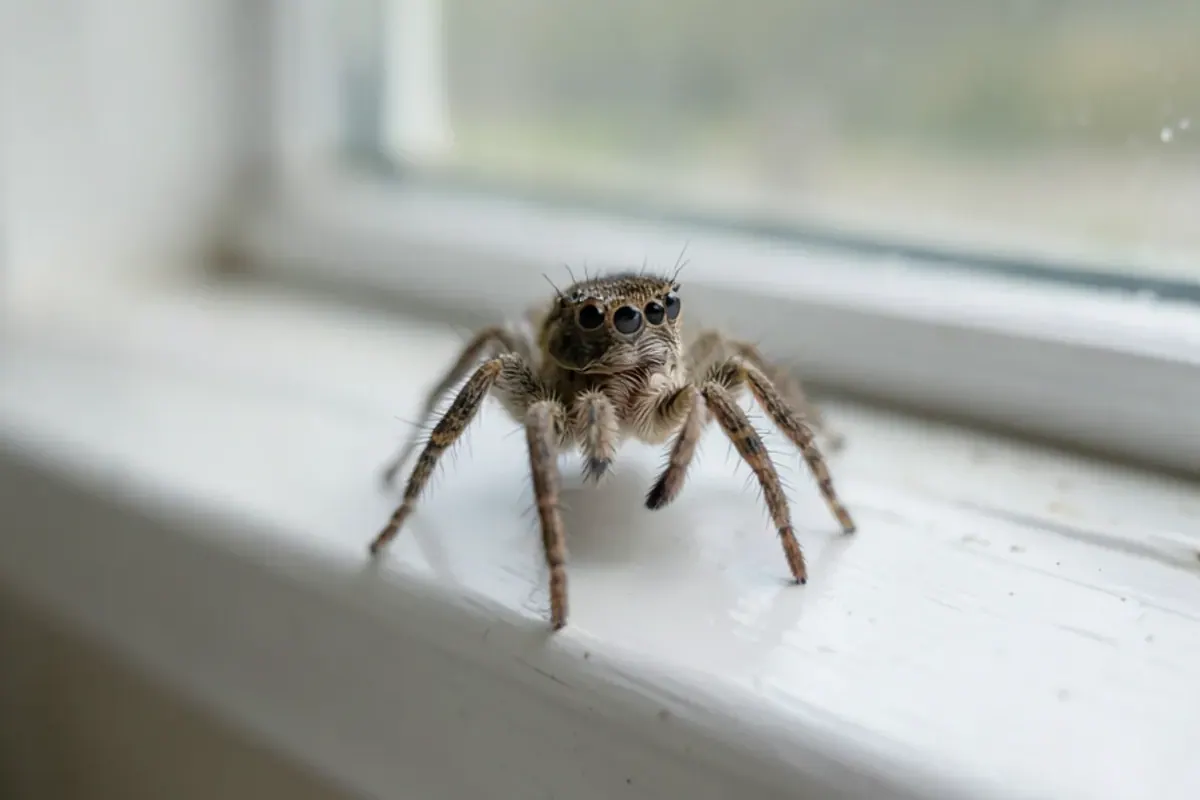
| Jumping spider | Compact and hairy with large front eyes; moves in short leaps | Windowsills and sunny walls |
| Yellow sac spider | Pale yellow or greenish, wanders at night | Ceiling corners and walls |
| Northern black widow | Shiny black with a red hourglass underneath; uncommon | Woodpiles, sheds and undisturbed garage corners |
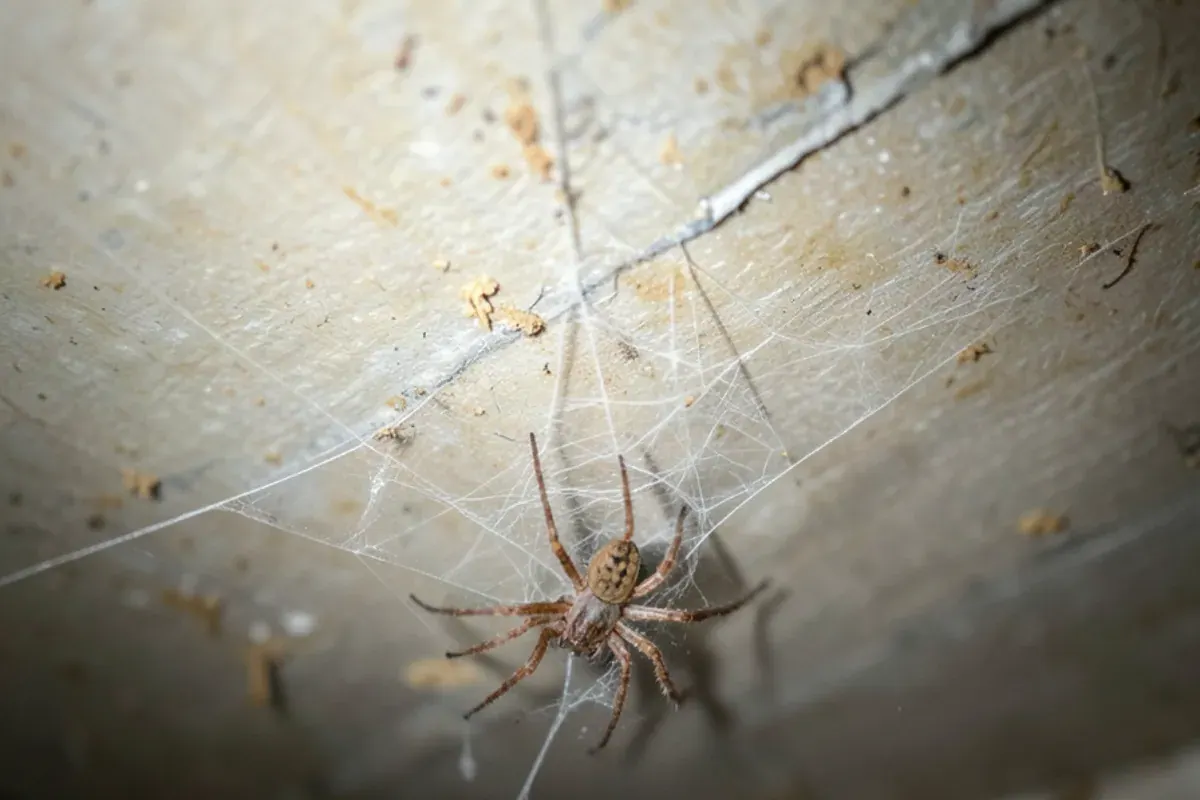
Most of these eat other insects and pose little threat to people. The exceptions are black widows and, rarely, sac spiders, whose bites can hurt. If you are bitten and feel unwell or the bite worsens, see a doctor.
Are there brown recluse spiders in Columbus?
Very unlikely. The brown recluse is found in southwest Ohio and grows less common to the north and east, and most suspected finds in central Ohio turn out to be something else, usually a cellar spider, a wolf spider or a funnel weaver. A plain brown spider with a darker mark on its back is not enough to call it a recluse.
A true recluse has six eyes arranged in three pairs, a uniformly colored abdomen and legs with no spines or banding. If you catch a spider you suspect, trap it in a jar or on clear tape and show it to us or to a university extension office. Identifying it correctly is better than panicking, and better than treating an ordinary house spider as if it were a medical threat.
Found a spider you cannot name?
Catch it in a jar or on clear tape and bring a photo to the call. We can identify most of what turns up in a house.
- Serving Columbus since 1990
- 4.5★ from 55 Google reviews
- Owner-run, based on Dunning Rd
- One-time or recurring service
Prefer to write it down?
Calling is fastest. The form comes to the same desk, and we call you back during business hours.
Call (209) 563-1650Why are there so many spiders in my basement?
Spiders follow food. A basement or garage with a steady supply of crickets, flies and other small insects will have spiders waiting. Damp air, dim light and boxes stacked against walls make perfect cover.
Columbus homes add a few triggers. Many have basements, the median home was built in 1980 (ACS 2019-23), and older foundations and window wells give small insects easy access. Exterior lights that draw moths and flies to the wall also feed the spiders hanging near them.
Fall brings a second push. Males wander in search of mates, and cooler nights drive spiders indoors along with the other insects looking for shelter. Our guide to stink bugs and boxelder bugs in central Ohio covers the same seasonal movement.
Was it a spider bite? What to do after a suspected bite
Most spiders in Ohio homes are not a danger, and a spider is often blamed for a mark it did not make. Ohio State University Extension notes that only the brown recluse and the black widow are significant dangers to people in Ohio, and that many suspected recluse bites turn out to be infections or other insect bites.
If you think you were bitten, do this:
- Wash the area with soap and water, and apply a cold pack.
- Catch the spider if you can, in a jar or under clear tape, or take a clear photo.
- Watch the spot. Spreading redness, an open sore, fever or severe pain mean it is time to see a doctor or call poison control.
- Show the specimen to a doctor, to us or to an extension office, so the diagnosis rests on the spider and not on a guess.
We cannot diagnose a bite. We can tell you what spider you caught, where it came from and what is drawing it in.
What does spider treatment in Columbus include?
- We identify what you haveSpecies decides how worried to be and what to target. We look at the webs, the spiders and the prey.
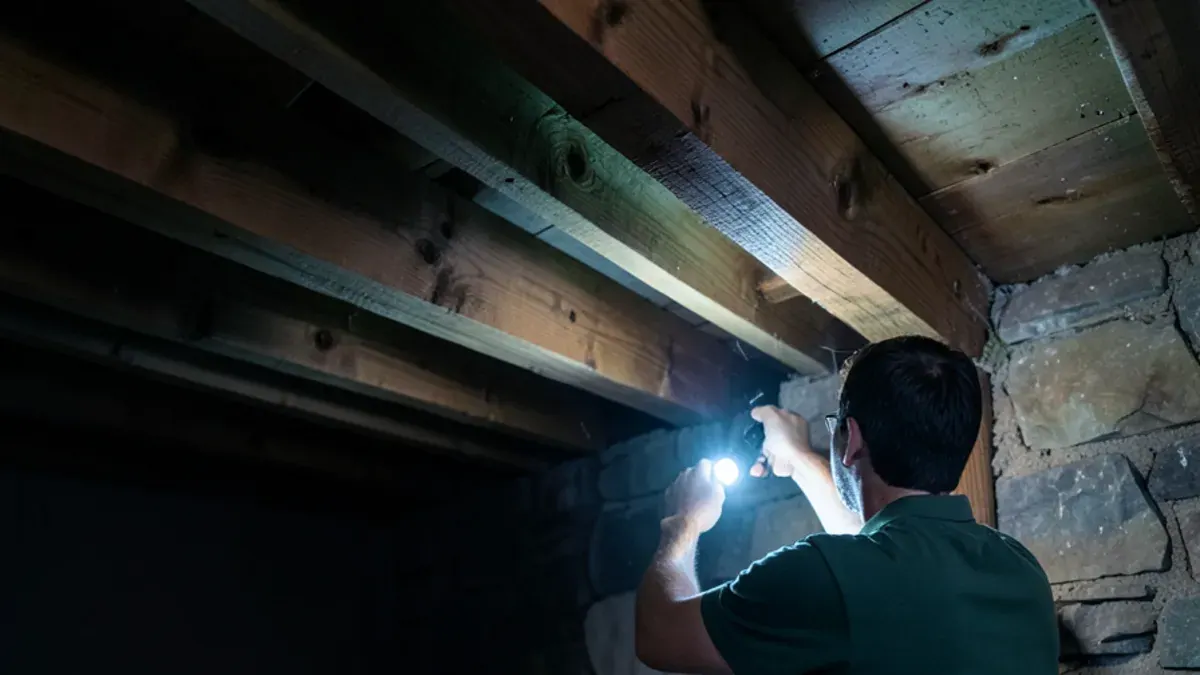
- We inspect likely spotsEaves, window frames, door thresholds, garage corners, crawl spaces and basement joists get checked, inside and out.
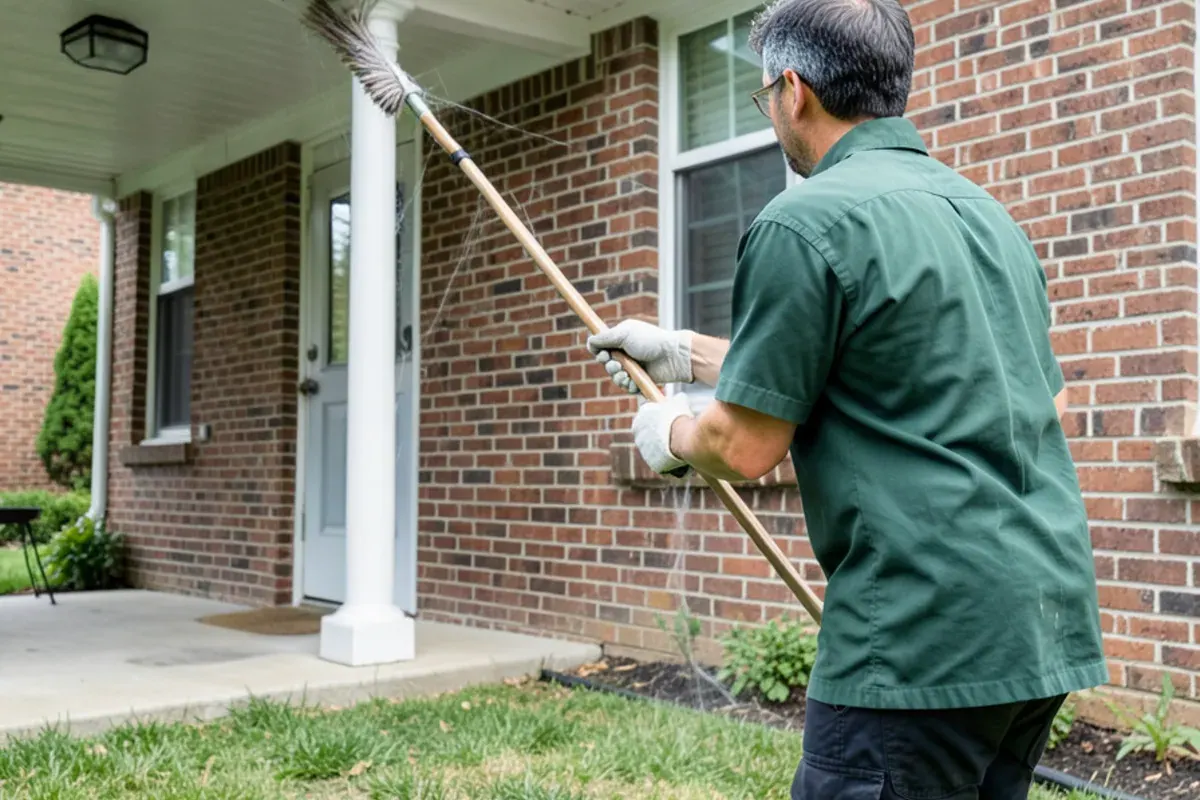
- We knock down webs and egg sacsRemoving webs and egg sacs by hand or with a pole stops the next generation. Webs left in place collect more insects.
- We apply a perimeter treatment and crack and crevice workA perimeter treatment is a band of product around the foundation, eaves and entry points. Crack and crevice work puts product only into the gaps where spiders hide. Everything is applied per label directions.
- We check the insect food sourceIf crickets or flies are drawing spiders in, we address them too, which is often the longer-term fix.
- We schedule the follow-upReturn visits are set as needed or on a recurring schedule, depending on the property.
How do you keep spiders out of the basement?
Treatment works best when the building stops inviting them. These steps matter most:
- Seal gaps around pipes, vents and foundation cracks, and fit sweeps on garage and exterior doors
- Switch outdoor lights near doors to warm-colored bulbs or move them away from the wall, since white lights draw insects
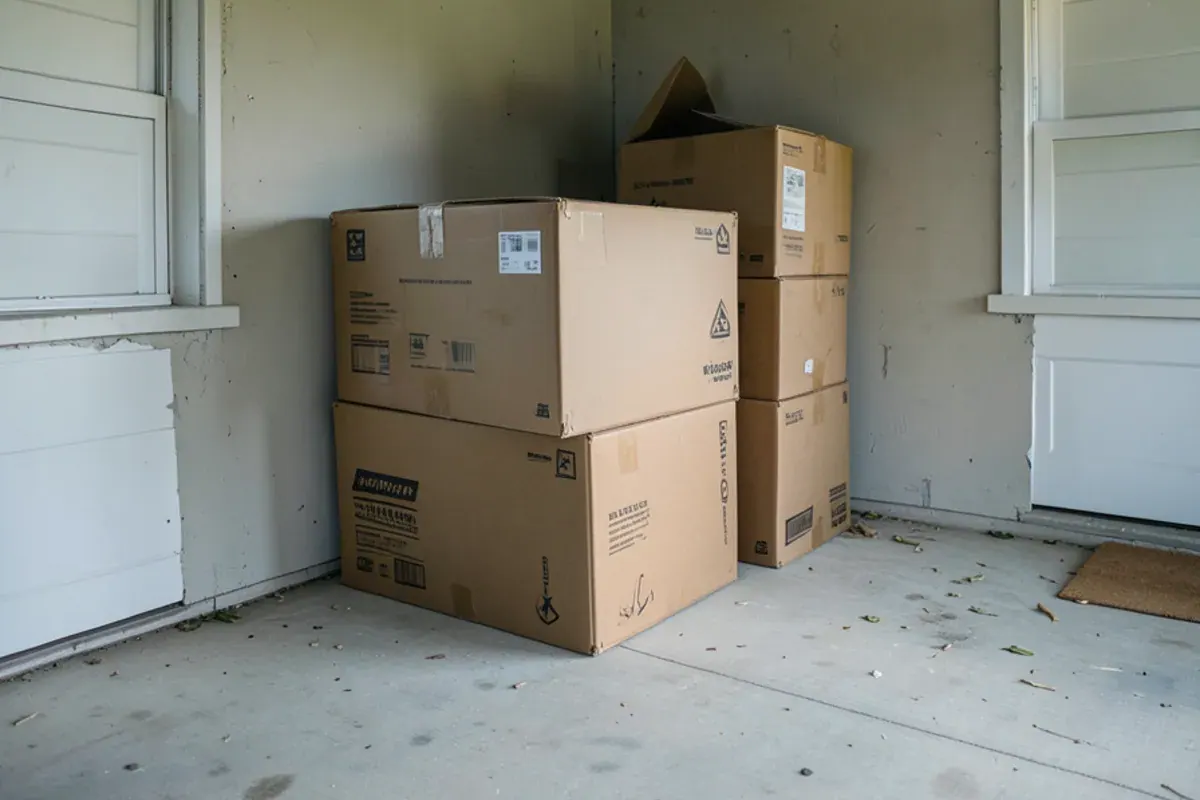
- Swap cardboard boxes for plastic bins with lids, and keep storage off the floor and a few inches from the walls
- Run a dehumidifier in a damp basement and fix leaks
- Vacuum corners, ceiling edges and window wells, then empty the vacuum outside
- Pull mulch, firewood and debris back from the foundation
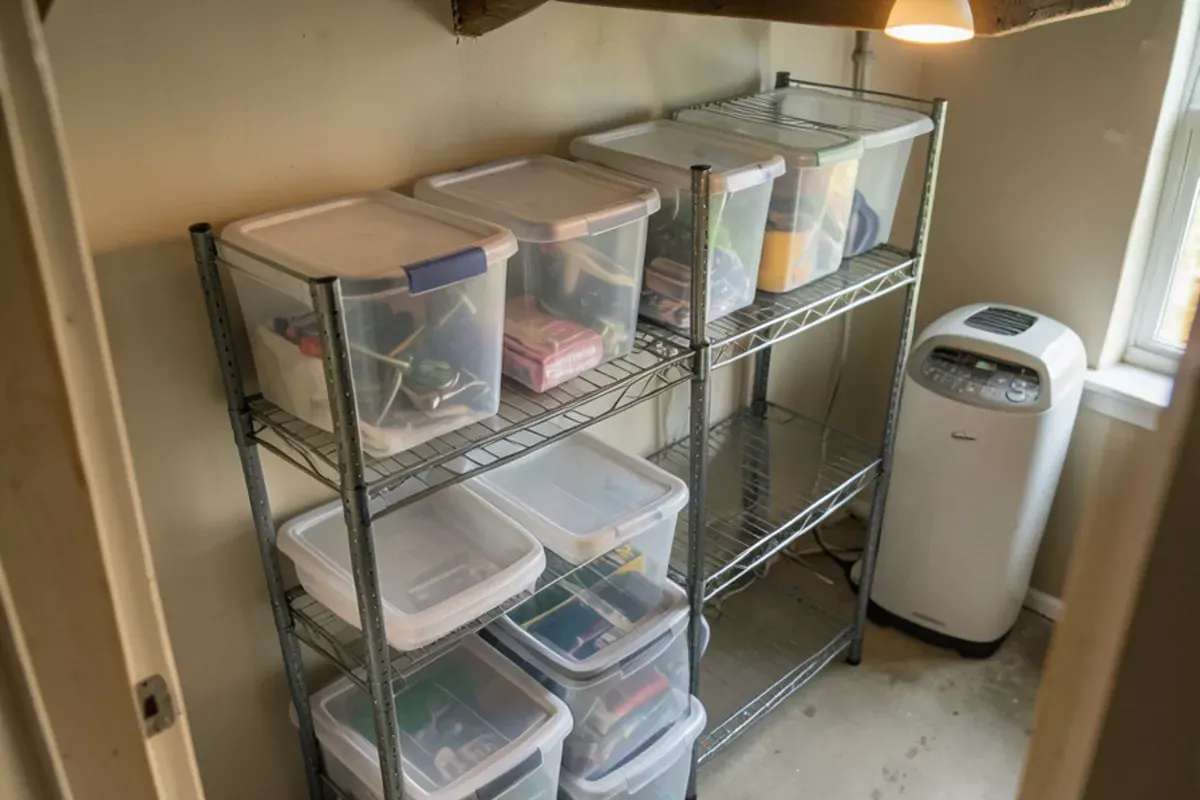
Wear gloves when you move boxes or firewood in areas where black widows might hide. Our spring ant and insect prevention checklist helps with the outdoor side.
What does spider control cost, and what can it not do?
We price by the extent of the problem and give you the number before work starts. Larger houses, finished and unfinished basements, detached garages and heavy web activity all push the price. A one-time visit is available, and recurring service makes sense for properties with ongoing insect pressure.
A fair warning, because we would rather you hear it from us. No treatment keeps every spider out. A few will always wander in, and a cleared web is often replaced within weeks if the insect supply is still there. What we do is lower the numbers, remove the nests and fix the conditions that bring them. If a plan needs recurring visits, we explain why.
Spider treatment in Ohio: the ODA license check and what the label controls
Ohio Department of Agriculture requires a Pesticide Business License for any company applying pesticides for hire, and the public business search on ODA's website lets you look a company up before you book. Spider work falls under general pest control, so ask the company to name the species it found and the areas it plans to treat.
Federal law makes the product label the rule. It lists the sites where a product may be applied and the re-entry time. A company that sprays open living space with a product labeled only for cracks and crevices is off the label, so ask for the product name in writing.
Columbus Health Code §221.03 asks that openings of half an inch or more within 48 inches of the ground be sealed, which is the entry route for many of the insects spiders hunt. Sealing is your job or your landlord's, and it does more than any spray.
Why Boydes Exterminating for this work
We tell you which spiders are ordinary, which deserve caution and why a lot of "recluse" reports turn out to be something else.
Spiders follow insects and shelter, so we look at the food source, the entry points and the moisture.
We ask each time and plan around the answers, including what to cover or move first.
Garages, warehouses, basements and storefronts get the same method, scaled to the space.
Mr. Robert J. Boyde Jr. owns the company Robert Boyde set up in 1990. Payment is by cash, check, debit or credit, and we hold 4.5 stars from 55 Google reviews.
Where we do this work
- Columbus Many Columbus homes have basements, and the median home was built in 1980, so foundations and window wells feed spiders.
- Upper Arlington The median Upper Arlington house dates to 1959, and settled foundations let small insects and the spiders hunting them inside.
- Worthington Median 1963 homes near the Olentangy River have damp ground and mature trees that keep basements humid.
- Hilliard Hilliard sits between the Scioto River and Big Darby Creek, and river moisture brings insects and spiders to garages.
- Bexley A median build year of 1944 means stone and brick foundations with many gaps for spiders and their prey.
- Grandview Heights The median home dates to 1954, and old basement walls with utility penetrations leave openings for spiders.
- Gahanna Big Walnut Creek runs through Gahanna, and creekside damp draws insects and spiders to foundations and garages.
- Westerville Hoover Reservoir lies just east of town, and wooded, damp lots give spiders cover and plenty of prey.
- Dublin Dublin follows the Scioto River, and outdoor lights in newer 1996-era neighborhoods pull moths and spiders to walls.
- Grove City Median 1993 homes next to Scioto Grove Metro Park get spiders moving in from green space each fall.
We treat spiders in Columbus, Upper Arlington, Worthington, Hilliard and other neighborhoods around the city. See the service areas page for the full list.
Spider Control: common questions
Which spiders are common in Ohio homes?
The usual list is the American house spider, cellar spider, wolf spider, jumping spider and yellow sac spider, with the northern black widow turning up occasionally in woodpiles and garages. Most are small hunters that eat other insects. We identify what you have so you know which ones need attention and which are simply passing through.
Are there brown recluse spiders in Columbus?
Very unlikely. The brown recluse lives mostly in southern states, with its range just reaching the southern edge of Ohio. Spiders suspected to be recluses in central Ohio are almost always cellar spiders, wolf spiders or others. A real recluse has six eyes in three pairs and no spines on its legs.
How do you keep spiders out of the basement?
Seal entry gaps, fit door sweeps, cut the moisture and store belongings in lidded plastic bins away from the walls. Spiders arrive because insects do, so reducing the insects helps most. We add a perimeter treatment and crack and crevice work, then remove webs and egg sacs. Together these cut numbers sharply, though not to zero.
Will spraying webs get rid of spiders?
No. Spraying a web does not reach the hiding places or the egg sacs, and spiders rebuild quickly. The webs are a symptom. Removing them is a start, but real control comes from treating cracks, corners and the exterior band where spiders and their food enter.
Are spiders a sign my house is dirty?
No. Spiders move in because they find insects, shelter and quiet corners, not because of housekeeping. A spotless house with a damp basement and an unsealed door can have more spiders than a cluttered one with tight construction. Vacuuming and decluttering help, but sealing gaps matters more.
Sources
- U.S. Census Bureau, American Community Survey 2019-23, Columbus median year built
- Ohio State University Extension, Ohioline, household spiders and brown recluse fact sheets
- Indiana State University and Ohio State University, The Indiana and Ohio Brown Recluse Project
- Ohio State University Extension, Jefferson County, Exploring Ohio's Spiders
What customers say
4.5 stars from 55 Google reviews, checked November 2026. Read more reviews · Leave a review
Mr. Boyde’s company is responsive and honest. They answer phone calls, give estimates, and come to your home quickly. Pricing is true to market price with no surprise charges.
Great service. Super dependable. Calls right back. This time he was able to come out same day.
Excellent service, very easy to schedule appointments. No inspection needed to get the job done sooner and very forward about the cost.
Take back the basement
Tell us where the spiders are and what the space is used for. We will explain the plan and the price.
- Serving Columbus since 1990
- 4.5★ from 55 Google reviews
- Owner-run, based on Dunning Rd
- One-time or recurring service
Boydes Exterminating Co, 1967 Dunning Rd, Columbus, OH 43219