
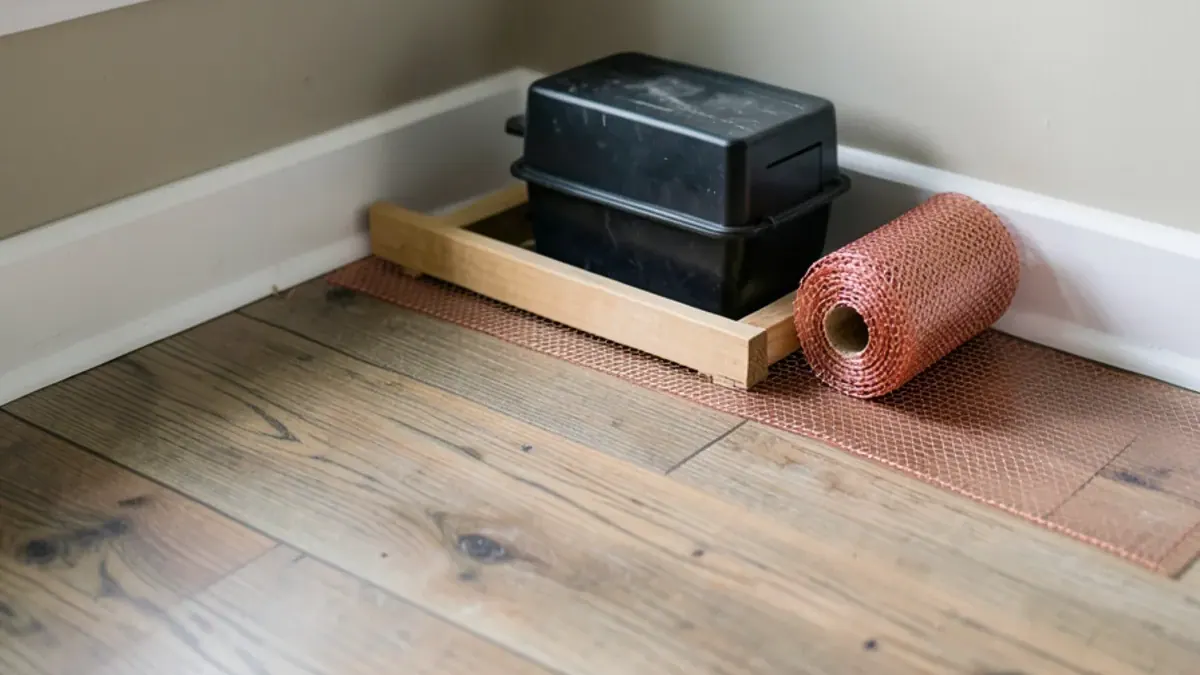
Rodent Control
Snap Traps, Bait or Exclusion: What Stops Mice?
The best way to get rid of mice is to combine two jobs: remove the mice that are inside with snap traps, then seal the gaps so no new ones follow. Trapping alone empties the house for a while, and sealing alone shuts mice in, so each method needs the other.
- Serving Columbus since 1990
- 4.5★ from 55 Google reviews
- Owner-run, based on Dunning Rd
- One-time or recurring service
Bait is a third option, with real drawbacks for homes with pets. This post compares snap traps, bait and exclusion, explains where each works and fails, and says when a do-it-yourself plan is enough.
Snap traps, bait and exclusion: how do they compare?
| Snap traps | Bait | Exclusion | |
|---|---|---|---|
| What it does | Kills mice on contact and shows you the count | Poisons mice that feed on it | Seals entry points so mice stay out |
| Speed | Days for small problems | Days to a week or more | Immediate once gaps are closed |
| Main risk | Poor placement, too few traps | Poisoning pets and other animals, dead mice in walls | Sealing mice inside |
| Lasting effect | None unless gaps are closed | None unless gaps are closed | Long term when materials are chew-proof |
| Works best when | Activity is limited and you can check daily | Larger infestations, with careful placement | Used after trapping has cleared the house |
The pattern is clear in the last row. Traps and bait remove mice, exclusion prevents the next group, and no single method does both.
Unsure which method fits?
Tell us how many signs you have and who lives in the home. We will talk through traps, bait and sealing before you buy anything.
- Serving Columbus since 1990
- 4.5★ from 55 Google reviews
- Owner-run, based on Dunning Rd
- One-time or recurring service
How do you use snap traps so they actually work?
Most failed trapping comes from using too few traps in the wrong spots. Mice run along walls, so place traps where droppings, rub marks or gnaw marks show a path.
- Use more traps than you expect to needSet at least six to twelve for a kitchen or basement problem, spaced a few feet apart. A single trap catches a single mouse.
- Place them against the wallSet the trigger end against the baseboard so the mouse runs straight into it, or put two traps side by side facing opposite ways.
- Bait lightlyA pea-sized dab of peanut butter or a bit of dried fruit is enough. More bait lets the mouse lick it clean without tripping the bar.
- Check every dayWear gloves, remove what you catch, reset the traps and note which locations fired. Move any trap that stays quiet for three nights.
- Keep going after the last catchLeave traps out for a week after the noises stop, then confirm the quiet before you seal.
How close together should the traps be?
UC IPM says to space traps no more than about 10 feet apart where mice are active, and to set them close to walls so mice pass directly over the trigger. Pairs set an inch or two apart help catch mice that jump over the first one. Choose traps with wide trigger plates and set the trigger lightly, so a small mouse can spring it.
Bait works well when it is a food the mice already eat in your house. Peanut butter works but can matter in a home with a nut allergy, so ask before using it. Whatever you pick, keep it to a small dab.
What are the risks of mouse bait around pets?
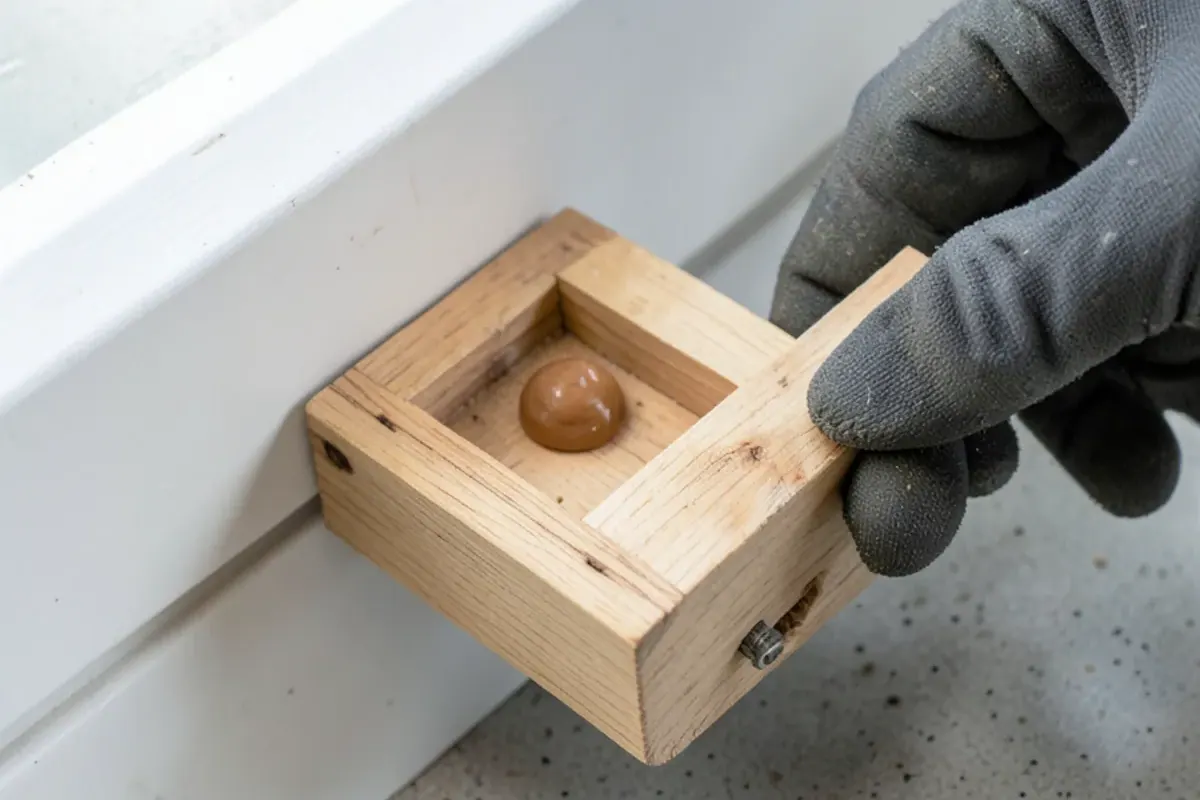
Mouse bait is a poison, and it can hurt animals it was not meant for. A dog or cat that finds loose bait can eat it. A pet that eats a poisoned mouse can also be poisoned, which is called secondary poisoning. Children are a concern too, since bait packets can look like a snack.
Bait goes in tamper-resistant stations, placed per the label directions. Never leave loose bait on a floor, shelf or in a wall void. Stations narrow access but do not remove the risk, so we ask about pets and children before placing any and plan around them.
Bait has a second drawback that has nothing to do with pets. Poisoned mice often crawl into a wall or ceiling to die, and the smell can last for weeks. Because bait is a pesticide, Ohio requires any company applying it for hire to hold an ODA Pesticide Business License, and ODA's online search lets you look one up.
If you think a pet has eaten bait or a poisoned mouse, call your veterinarian or an animal poison control line right away and bring the label.
Why do poisoned mice die inside the walls?
Mice usually stay within about 30 feet of their nest, according to UC IPM. A mouse that eats bait indoors tends to die indoors, often in a spot you cannot reach. UC IPM also notes that bait generally takes several days to work and that all rodenticides are toxic. Trapping avoids the odor problem and lets you count what you caught.
Do glue traps work, and what else do people try?
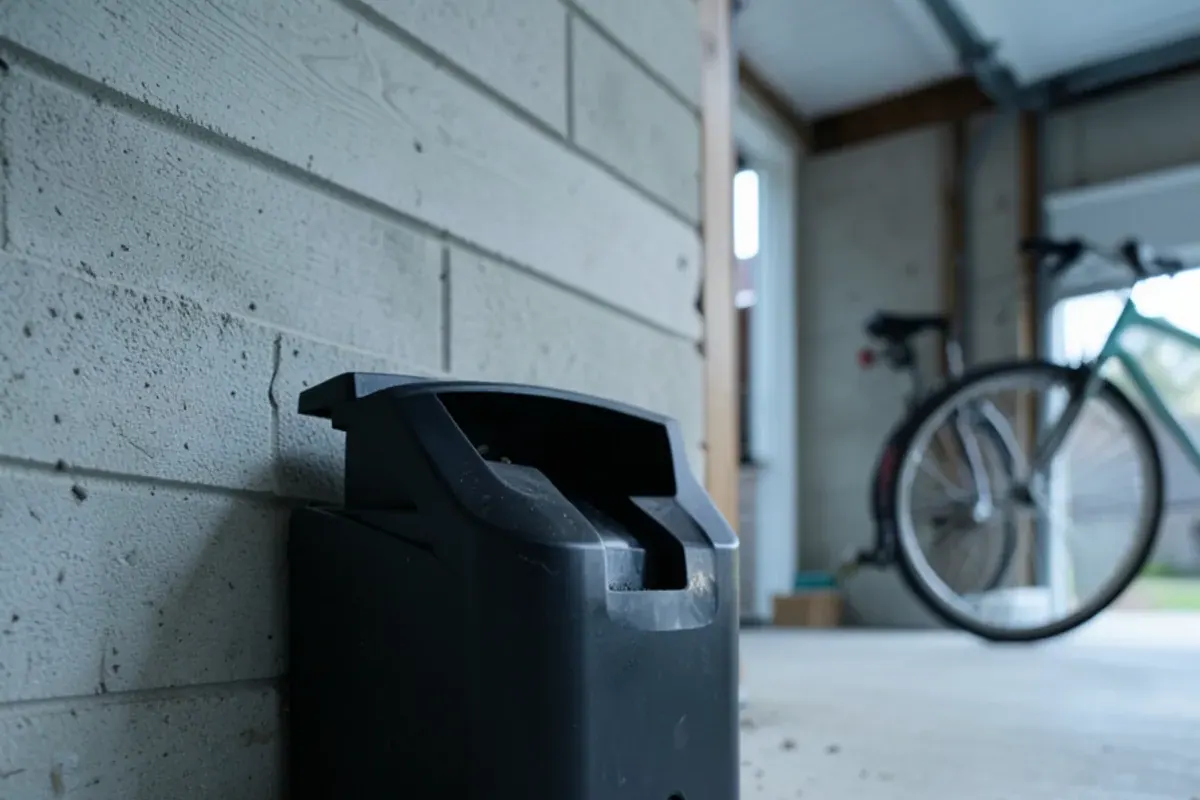
Glue traps catch mice, but they have problems. Mice often stay alive and struggle for hours. The traps also catch things you did not want, like a house spider or a pet's paw, and disposal is messy. We do not recommend them.
Scent repellents such as peppermint oil, along with ultrasonic plug-in devices, tend to disappoint. A mouse may avoid an area for a night and return. The one reliable fix for a gap is a physical barrier.
Electronic traps are a reasonable option. They kill quickly, hold the mouse inside a closed chamber and make disposal easier. They cost more than snap traps and still need the same placement along walls.
What about live traps?
Live traps catch a mouse unharmed, but the animal then has to be released or killed. The EPA warns that a rodent let go outside may find its way back unless the entry points are sealed. With mice staying within about 30 feet of the nest, a short walk to the yard is not far enough.
Which sealing materials hold up against mice?
UC IPM says mice can squeeze under a gap a quarter inch tall and through an opening about 3/8 inch wide, so it advises sealing every gap larger than a quarter inch. The material matters as much as the size.
| Material | How it holds up | Use it for |
|---|---|---|
| Metal flashing or hardware cloth | Holds up. Mice cannot chew through it | Vents, large gaps, door and window edges where gnawing shows |
| Mortar or concrete | Holds up | Foundation cracks and utility openings in masonry |
| Steel wool | Temporary. It may rust and get pulled out | Small gaps, covered with sealant |
| Plastic screening, rubber or vinyl | Ineffective. Mice chew it | Not for mouse gaps |
| Insulating foam or wood | Ineffective alone | Not for mouse gaps |
The CDC takes the same line on small holes, pairing steel wool with caulk to hold it, and it lists hardware cloth, cement and metal sheeting for larger ones.
When does exclusion matter, and when should you call for help?
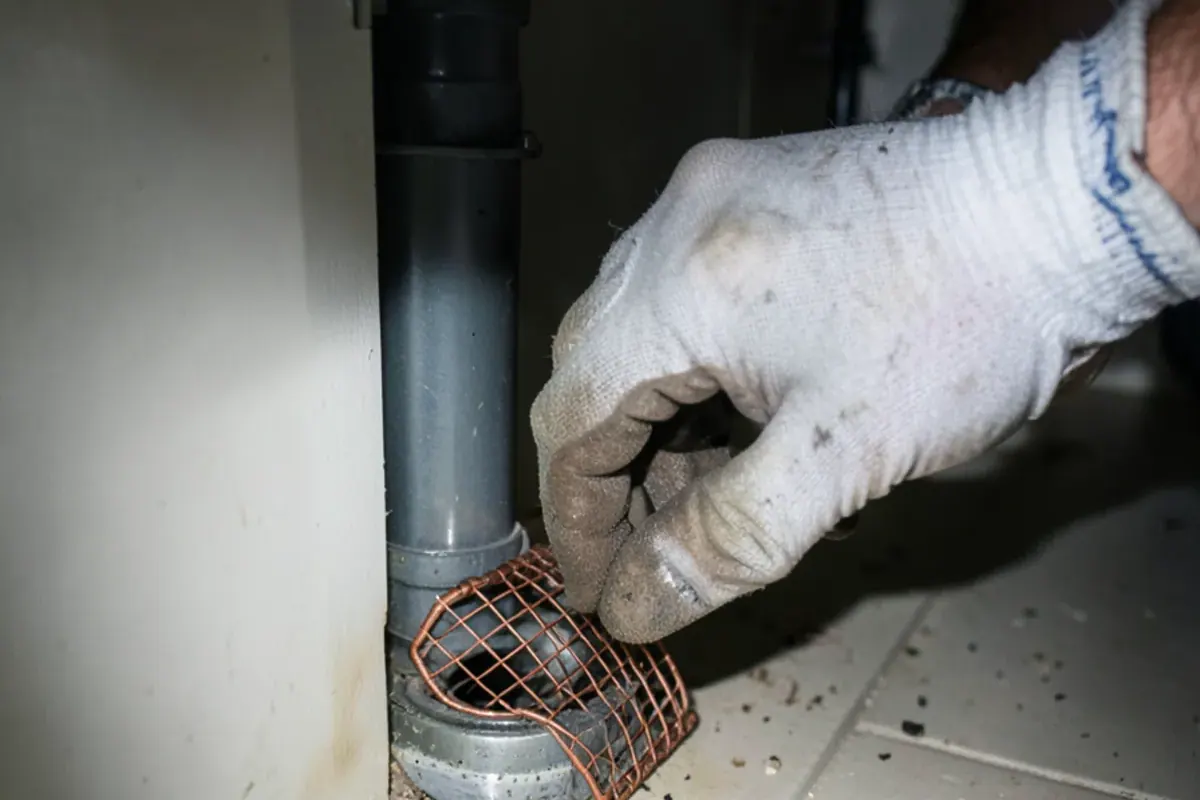
Exclusion is the permanent part. It is what stops a house from refilling with mice each fall. Pack metal mesh into small gaps, fit hardware cloth over vents and seal door and garage edges. Our post on how to find where mice are getting in explains how to locate the openings.
Call for help when traps keep catching mice after two weeks, when you hear them in a ceiling or wall you cannot reach, when pets or toddlers make bait a concern or when you manage a rental or a business. Newer neighborhoods like those in Hilliard, where the median home dates to 1997, still get mice through garage doors and utility gaps.
What we tell customers about picking a method
Our usual answer is a plan, not a product. We look at how many mice, where they travel, who lives in the house and what the building allows, then pick traps, stations or both. Sealing follows once activity has stopped, because closing the door first shuts mice in.
We are cautious with bait in homes with pets, in kitchens and in places where a dead mouse would be hard to reach. In those cases we lean on traps and exclusion. The label directions on any product we use apply, and we tell you what the label says.
Each method has a point where it stops paying off. Snap traps do little in a home with a dozen entry points and a colony in the walls, because new mice replace the caught ones. Bait is a poor choice in a kitchen, a home with small children or pets, or any space where a dead mouse would be out of reach. Sealing does nothing for mice that are already inside.
Skip the call if the problem is small. If you see one mouse, have a few droppings in one corner and can place a half dozen traps, do it yourself this week. Call when the traps keep catching mice after two weeks or when the evidence keeps spreading to new rooms.
Pricing depends on the extent of the problem and the sealing involved, and we explain it before work starts. Our mouse control page shows how the visits run.
Related questions
Are snap traps or bait faster for mice?
Bait can take days to a week or more because mice must eat it, and a dead mouse in a wall can smell for weeks. Snap traps can show results overnight when placed along active runways. Speed matters less than follow-through, since neither method stops new mice from coming in.
How many mouse traps should I set?
More than seems reasonable. For a kitchen, basement or garage with active droppings, six to twelve traps spaced a few feet apart give mice little chance to dodge them. Place traps against walls and in pairs along runways, and check them every day until a week passes with no catches.
Is exclusion enough to get rid of mice?
Only if no mice are inside. Sealing gaps keeps new mice out, but animals already in the house stay trapped with you. Trap first until activity stops, then close the openings. That order also lets you see which gaps were in use, because the traps that fire point to the route.
Do glue traps work on mice?
They catch mice, but not well. UC IPM notes adult mice often avoid glue boards, so catches skew toward young mice, and a trapped mouse may need to be killed by hand. The boards also pick up dust and stop working. They can catch pets or other animals that wander in. We lean on snap traps and sealing instead.
Can I catch a mouse alive and let it go outside?
You can, but it often comes back. The EPA warns that a rodent released outside may find its way back in unless the entry points are sealed, and UC IPM says mice usually stay within 30 feet of their nest. A release in the next yard is not far enough. Seal the gaps first.
Traps clear the house, bait is a last choice in homes with animals and exclusion keeps the problem from returning. To plan the work, read about our rodent control in Columbus or call (209) 563-1650. We also serve Hilliard and homes across Columbus, and we will tell you which method fits your house.
Sources
- U.S. Environmental Protection Agency, Rodenticides (risks to children, pets and non-target animals)
- Ohio Department of Agriculture, Pesticide Business License search
- U.S. Census Bureau, American Community Survey 2019-23, Hilliard median year built
- UC IPM, House Mouse (trap spacing and bait, glue boards, exclusion materials, 30-foot nest range, rodenticide notes)
- U.S. EPA, Options for Dealing With Rodent Infestations (live traps, tamper-resistant stations, keep traps and bait away from children and pets)
- U.S. Centers for Disease Control and Prevention, How to Seal Up to Prevent Rodents
Questions about this? Call the shop.
Tell us what you are seeing and we will tell you what happens next.
- Serving Columbus since 1990
- 4.5★ from 55 Google reviews
- Owner-run, based on Dunning Rd
- One-time or recurring service
Boydes Exterminating Co, 1967 Dunning Rd, Columbus, OH 43219