
Boydes Exterminating Co
Mouse Control in Columbus, OH
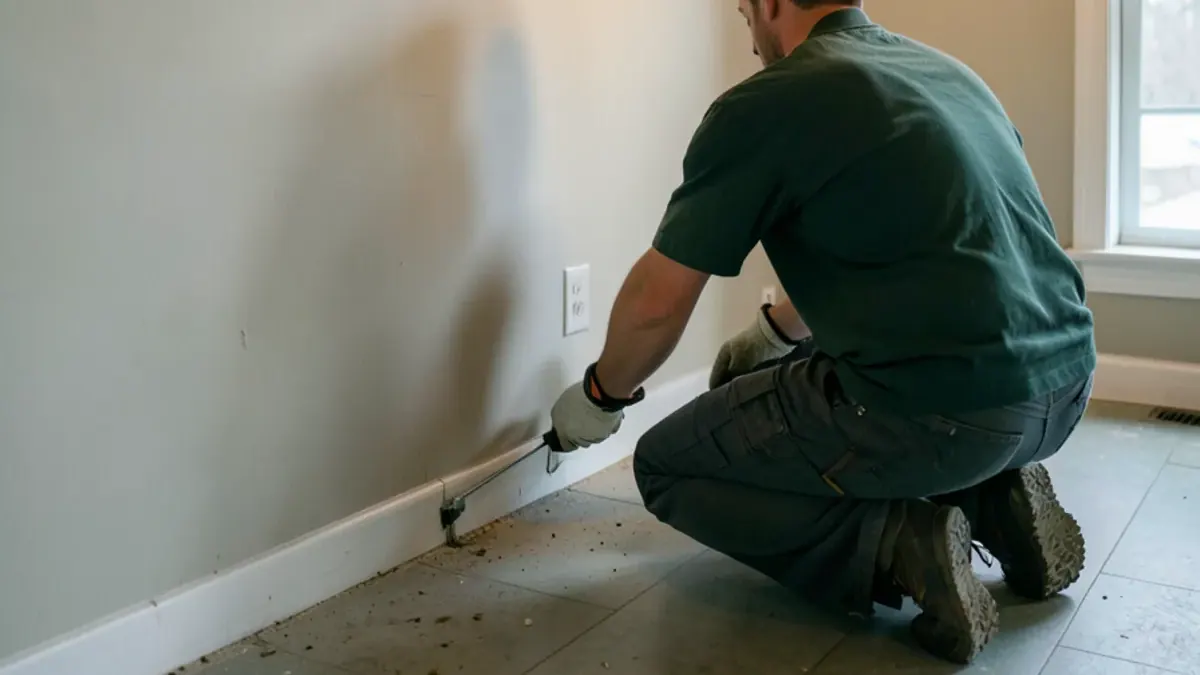
A mouse exterminator in Columbus, OH finds the runways, traps or baits along them and then closes the gap the mice used to get inside. It sits inside our wider rodent control in Columbus work, and it goes best when the sealing happens alongside the trapping.
- Serving Columbus since 1990
- 4.5★ from 55 Google reviews
- Owner-run, based on Dunning Rd
- One-time or recurring service
Mice are small, breed fast and can live inside a wall for months without being seen. If you have heard scratching, found droppings in a drawer or smelled something stale under the sink, this page explains what is going on and what we do about it.
Mice in the house in Columbus: signs there is more than one
One mouse you see usually means several you do not. A female can have a litter every few weeks when conditions are good, so a small problem in October can be a large one by January. Look for these:
- Dark droppings about the size of a grain of rice along walls, in drawers and behind appliances
- Chewed cereal boxes, bread bags and pet food bags, often with a hole at one corner
- Shredded paper, fabric or insulation packed into a corner or the back of a drawer
- Scratching or scurrying inside walls, usually at night when the house goes quiet
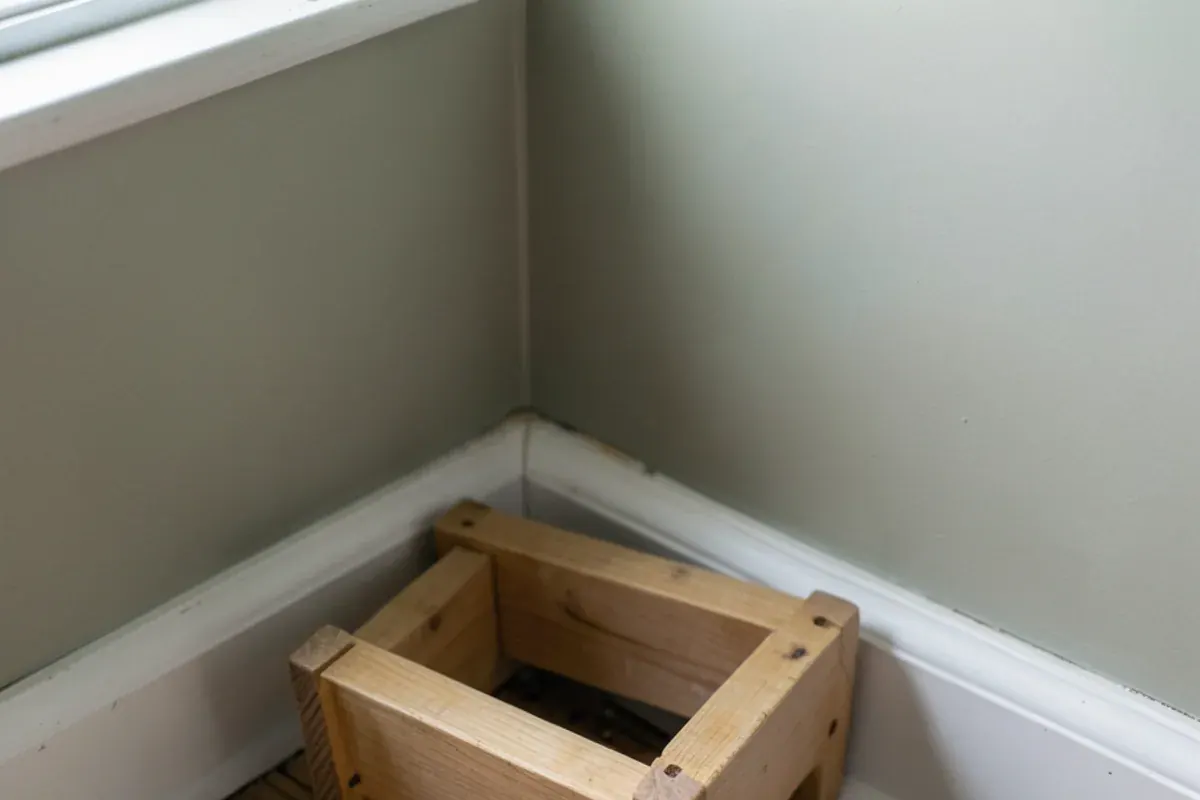
- Small greasy smears along baseboards where the same route is used over and over
If the droppings are bigger than a grain of rice, you may be dealing with something else. Our guide on how to tell a mouse from a rat helps, and if it points to rats, our page on rat control is the one to read.
Why do mice move into Columbus houses in the fall?
Cold nights and cut fields push them toward warmth and food. When temperatures drop in October, mice that spent summer in weeds, mulch and field edges start probing foundations for any gap that leads to a warm wall. A house does not need to be dirty to attract them. It only needs an opening and something to eat.
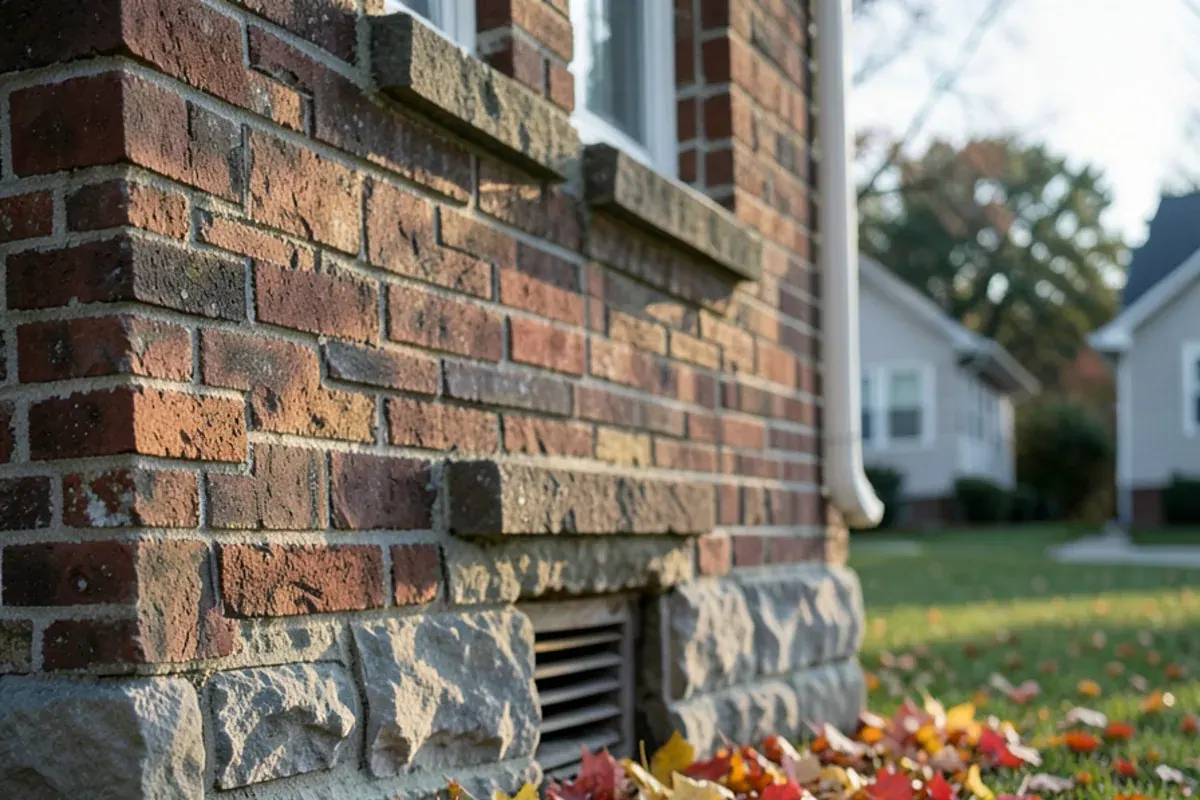
Older Columbus houses make it easy. Foundations settle, utility lines get added over the decades and each one leaves a gap. Our post on why older Columbus homes get mice every fall covers the pattern, and it holds in newer subdivisions beside open land too.
Found droppings in a drawer?
Tell us where and how many. A few details usually tell us how big the problem is.
- Serving Columbus since 1990
- 4.5★ from 55 Google reviews
- Owner-run, based on Dunning Rd
- One-time or recurring service
Prefer to write it down?
Calling is fastest. The form comes to the same desk, and we call you back during business hours.
Call (209) 563-1650Mice in walls, attic and kitchen: where they hide and why
Mice in walls
Wall voids are warm, dark and linked to everything. Mice enter at a gap near the foundation and run up through the wall cavity along pipes and wires. You hear them at night because the house is quiet and they are active. Finding the point where they enter matters more than where you hear them, as our post on finding the entry points explains.
Mice in the attic
Mice climb brick, siding and downspouts without trouble. In an Ohio attic they nest in insulation, chew wire jackets and leave droppings along the rafters. Attic activity usually means a roofline gap or a vent with a damaged screen, so the sealing work happens up high as well as at the foundation.
Mice in the kitchen
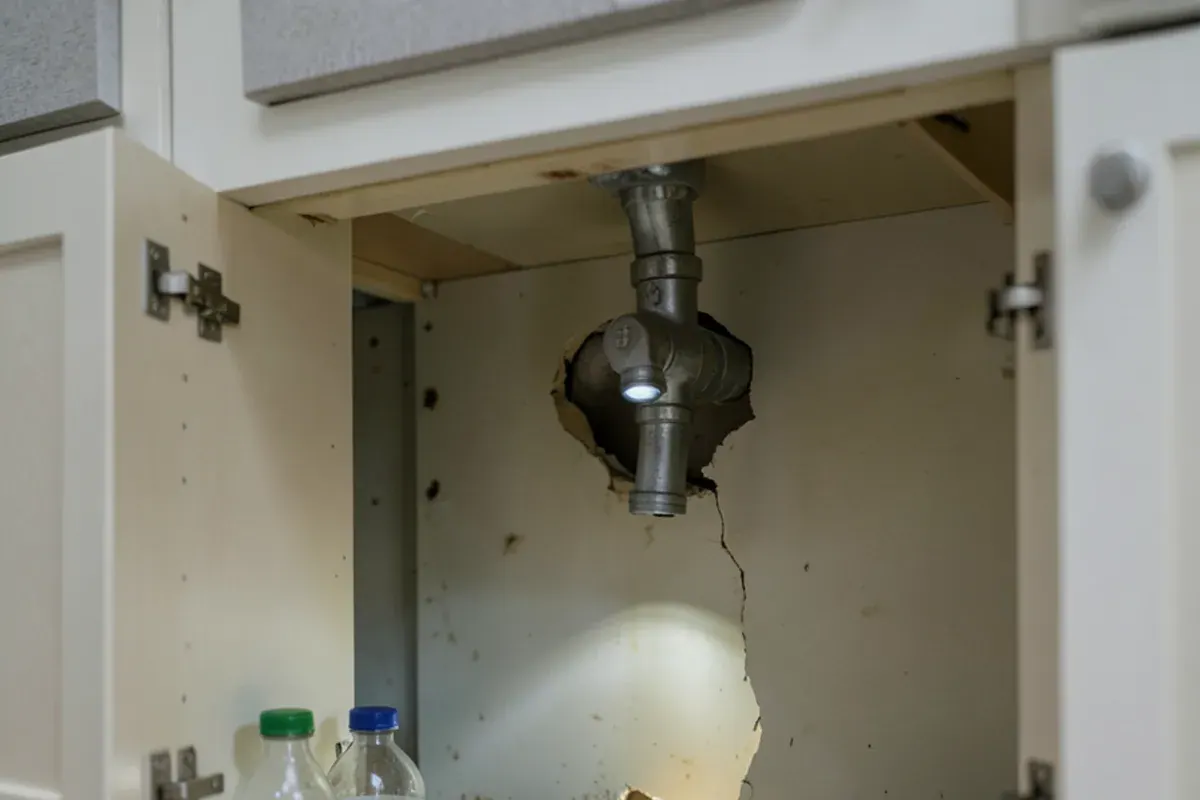
Kitchens give mice food and hiding places at once. They squeeze behind the stove, around the dishwasher and through the gaps where pipes enter the cabinet under the sink. Pet food, grain and pantry boxes made of cardboard are easy targets. Store dry goods in lidded containers and the problem loses much of its pull.
Mouse trapping service: traps, bait or both?
It depends on where the mice are and who else lives there. Indoors, we lean on traps because you can see what was caught and nothing is left inside a wall. Bait stations make more sense for heavy activity, garages and exterior placement. Our comparison of snap traps, bait and exclusion lays out the details.
- Snap and multi-catch traps go along walls where mice run, set across the path, in rows on the busiest routes. They need checking, which is why we plan return visits.
- Bait stations are locked boxes holding rodenticide, applied per label directions. They stay where we put them, and an animal can die in a wall after eating bait.
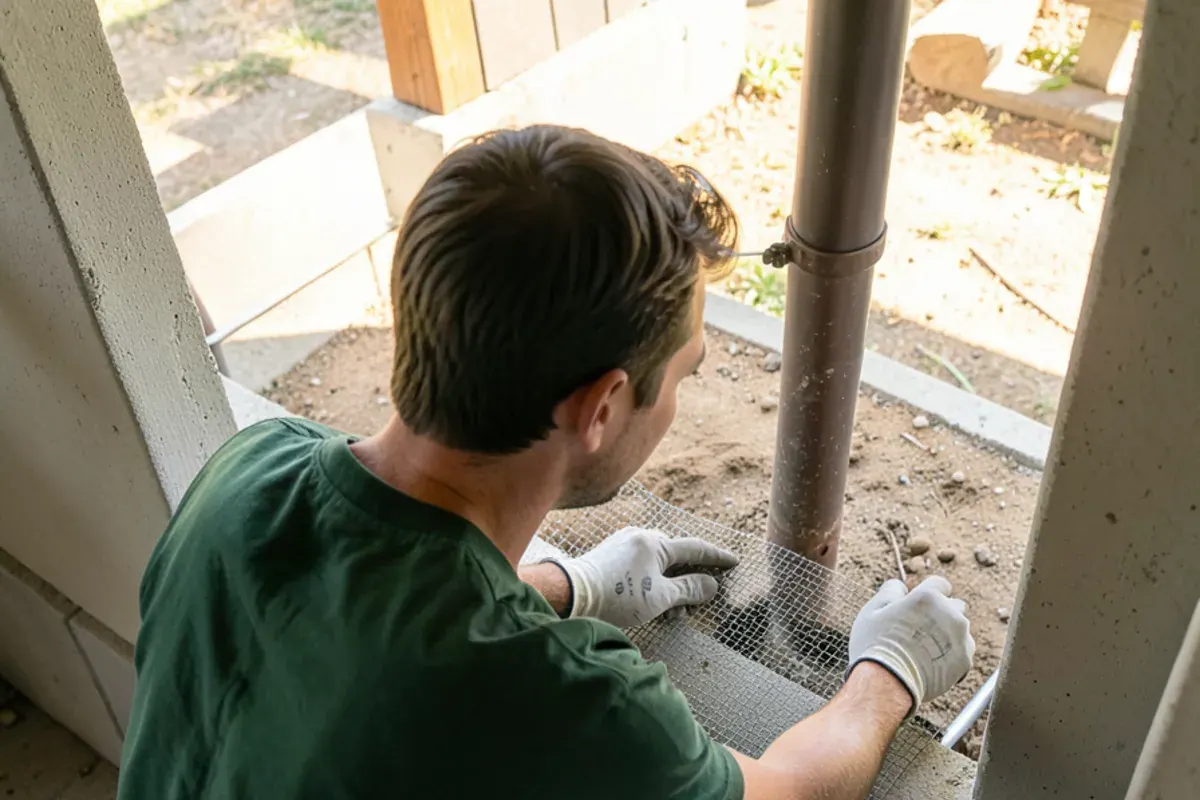
- Sealing the entry points finishes the job. Traps remove the mice that are in, but a gap left open invites more. See rodent proofing for how we do it.
We ask about pets, children and allergies before anything goes down, and we plan placement around the answers.
What does a mouse control visit look like?
- We listen to what you have noticedWhere you hear the noise, where you found droppings and when it started tell us where to start.
- We inspect the likely routesKitchen, basement, garage, attic and the whole outside of the foundation, looking for droppings, rub marks and openings.
- We place traps or bait stationsPlacement follows the runways and the label, and we explain where everything is so no one steps on a trap.
- We schedule the return visitTraps get checked and moved, and we look for any new activity. The timing depends on how heavy the infestation was.
- We seal the entry pointsWhen catches slow, we close the gaps and show you what we sealed.
How should you prepare for a mouse visit?
A little prep lets us reach the places mice actually use. Most of it takes under an hour.
- Pull stored boxes and furniture a foot or two away from walls where you saw droppings or heard noise.
- Clear the space under the kitchen sink and the cabinet beside the stove.
- Make attic and basement access easy to reach, and tell us about low headroom or tight hatches.
- Move pet food and bird seed into lidded containers, and tell us where pets sleep and eat.
- Do not clean up droppings before we look. Their position shows the route. Wear gloves and dampen them when you do clean.
Ask any company whether the quote covers sealing, cleanup of droppings and return visits. Those three items are where mouse jobs differ the most from one provider to the next.
How long does it take to get rid of mice, and what does it cost?
A light problem often settles in a couple of visits. A heavy one, or a house with many gaps, takes longer. We tell you what to expect once we have seen the activity, not before. If a plan includes return visits, those are in the price we explain up front.
We price mouse work by the extent of the infestation, how many entry points there are and how much of the house has to be inspected. Pricing is explained before work starts, and reviewers describe it as fair with no surprise charges. A single room is a different job from a house with an attic, a basement and a detached garage.
How do you keep mice from coming back?
Make the house less appealing and harder to enter. Most of this takes an afternoon:
- Keep dry food, pet food and seed in lidded plastic or metal containers
- Pull firewood, mulch and leaf piles back from the foundation
- Replace worn door sweeps and garage door bottom seals
- Trim branches that touch the roof so mice cannot step onto it
- Check the house in September, before the first cold nights
Garages and basements need attention too, and our post on rodent-proofing a garage and basement covers both.
Mouse work in Columbus: the half-inch code line and what to check on a company
Columbus Health Code §221.03 requires dwellings to be kept free of rodents, and Columbus Public Health says openings of half an inch or more within 48 inches of ground level should be sealed. Treat that as the legal yardstick, not the target, since a mouse needs far less room. If you rent a building with two or more units, the same code puts the duty to eliminate pests on the owner.
Any company that applies pesticides for hire in Ohio, bait included, needs an ODA Pesticide Business License, and ODA's online business search shows who holds one. Under federal label law, the bait label decides where stations go. Ask where each trap or station will sit, which ones hold bait, and who checks them.
Why Boydes Exterminating for this work
Founded in 1990 by Mr. Robert Boyde and run today by Robert J. Boyde Jr., with one shop at 1967 Dunning Rd on the east side of Columbus. You talk to the people who do the work.
Traps handle the mice that are inside. We close the entry points too, so the next group does not walk in.
Allergies, pets and children come up at each visit, since trap and bait placement depends on who shares the house.
We explain the price before work begins, and reviewers mention fair pricing with no surprise charges.
On Google we hold 4.5 stars. Pay with cash, a check or a card.
Where we do this work
- Bexley The median Bexley home dates to 1944, and settled brick foundations offer plenty of pipe and vent gaps.
- Upper Arlington A planned suburb begun in 1913 with a median build year of 1959, so original foundations are common.
- Grandview Heights The median home dates to 1954 in a city of about 1.3 square miles, with houses close together.
- Marble Cliff Median build year 1955 in a 0.28 square mile village, with some homes built from quarry stone.
- Worthington Founded in 1803, with a median home built in 1963 and many older houses near the Olentangy River.
- Whitehall About 61% of homes are rented and the median dates to 1961, so shared walls carry mice between units.
- Lincoln Village A planned community begun in 1955 along U.S. 40, with a median home built in 1962.
- Valleyview Median build year 1950 in a tiny village off West Broad Street where houses sit close together.
- Minerva Park Subdivision homes built from 1927 around Minerva Lake, with a median build year of 1960.
- Columbus About 56% of Columbus homes are rented, and fall cold snaps send mice into shared walls.
Mouse calls come from all over Columbus and nearby suburbs including Bexley, Gahanna, Whitehall and Upper Arlington, where 1950s and 1960s houses are common. See all service areas for the rest.
Mouse Control: common questions
How do I know if I have mice or rats?
Check the droppings first. Mouse droppings are about the size of a rice grain, while rat droppings are noticeably larger. Mice leave small, scattered signs inside walls and cabinets, and rats tend to leave burrows outside plus gnawing on harder surfaces. If you are not sure, take a clear photo and send it with your call.
Why do mice come inside in the fall?
Falling temperatures and harvested fields push them to look for warmth and food. They test foundations, garage doors and vents for gaps, and an old Columbus house has plenty. The cold-weather move starts in October for many households. Sealing before then works better than trapping after mice are in the walls.
How small a gap can a mouse fit through?
Well under half an inch, close to the width of a pencil. Columbus Health Code §221.03 and Columbus Public Health point to sealing openings of half an inch or more within 48 inches of the ground, but mice use smaller ones. That is why we look at pipe penetrations and corners, not only obvious holes.
Will one mouse trap be enough?
Probably not. A single mouse is often one of several, and one trap covers only a few feet of wall. We place traps along the routes we find and check them on a schedule. If catches stop and the noise stops, you are close to done. If either continues, tell us.
Are mouse droppings a health concern?
Yes, so handle them carefully. Wear gloves, dampen the droppings before cleaning rather than sweeping or vacuuming them dry, and wash your hands afterward. The Ohio Department of Health and the CDC publish cleanup guidance for rodent droppings. If you find a lot of droppings or nesting material, tell us during the visit.
Do you work in attics?
Yes. Attic inspection is a routine part of a mouse job, because mice climb. We check insulation, rafters, vents and the roofline. Tell us ahead of time if the attic is hard to reach or has little headroom, so we can plan the visit around that.
Sources
- Columbus Public Health, Columbus Health Code §221.03 (openings of half an inch or more within 48 inches of ground level)
- Centers for Disease Control and Prevention, cleaning up after rodents
- Ohio Department of Health, rodent guidance
What customers say
4.5 stars from 55 Google reviews, checked November 2026. Read more reviews · Leave a review
Mr. Boyde’s company is responsive and honest. They answer phone calls, give estimates, and come to your home quickly. Pricing is true to market price with no surprise charges.
Great service. Super dependable. Calls right back. This time he was able to come out same day.
Excellent service, very easy to schedule appointments. No inspection needed to get the job done sooner and very forward about the cost.
Get the mice out and keep them out
Call and describe the noise or the droppings. We will explain what happens next and what it costs.
- Serving Columbus since 1990
- 4.5★ from 55 Google reviews
- Owner-run, based on Dunning Rd
- One-time or recurring service
Boydes Exterminating Co, 1967 Dunning Rd, Columbus, OH 43219