
Boydes Exterminating Co
Yellow Jacket Removal in Columbus, OH
Yellow jacket removal in Columbus, OH usually begins with a hole you cannot see, because the nest is underground, behind a foundation gap or inside a wall and all you notice is traffic and stings. Boydes Exterminating Co treats these colonies as one branch of our stinging insect removal in Columbus work, and same day visits happen when the schedule allows.
- Serving Columbus since 1990
- 4.5★ from 55 Google reviews
- Owner-run, based on Dunning Rd
- One-time or recurring service
Do not pour anything into the hole or plug it. Mark the spot from a distance, keep people and pets off that part of the yard and call. Yellow jackets tend to catch people by surprise, since the nest is hidden.
Yellow jackets in the ground, a foundation or a wall: where is the nest?
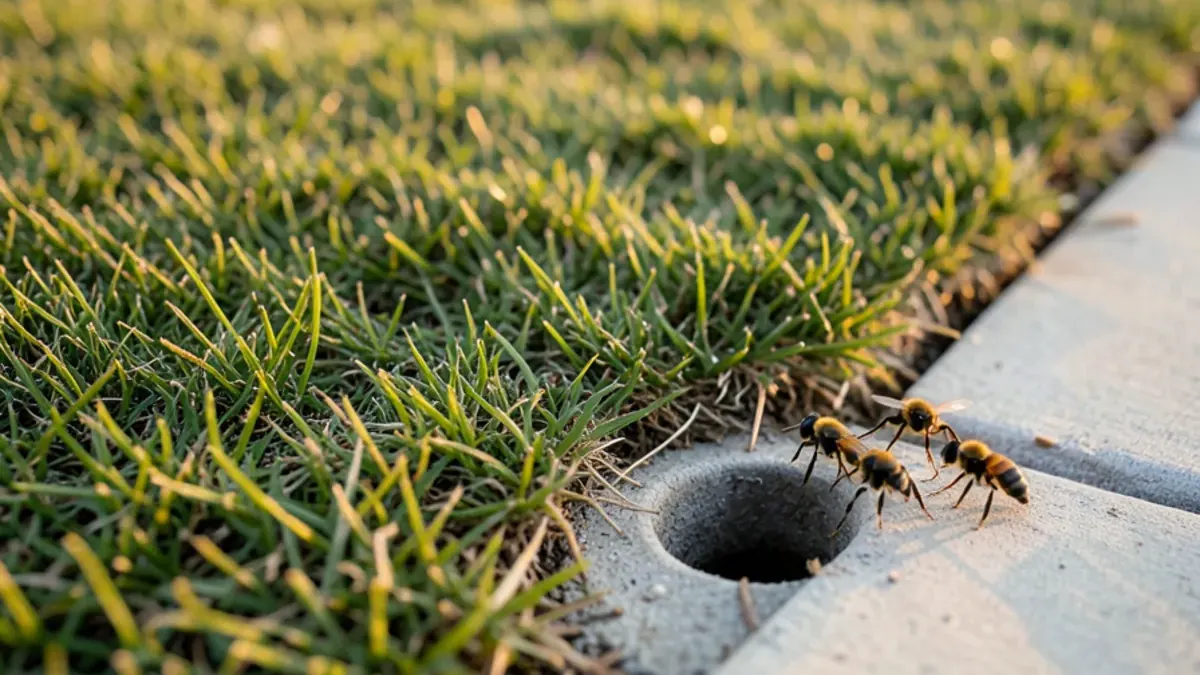
Yellow jackets are small, bright yellow and black wasps with a fast, jittery flight. Most species nest underground, often in an old burrow or a hollow under a stump, step or patio. Others nest in wall voids, soffits and the gap between a foundation and siding.
The giveaway is one entrance with a steady line of insects flying in and out. That is the colony's front door, and it is usually only a dime-sized hole. A ground nest has no visible nest above it, and the first time many homeowners find it is with a mower.
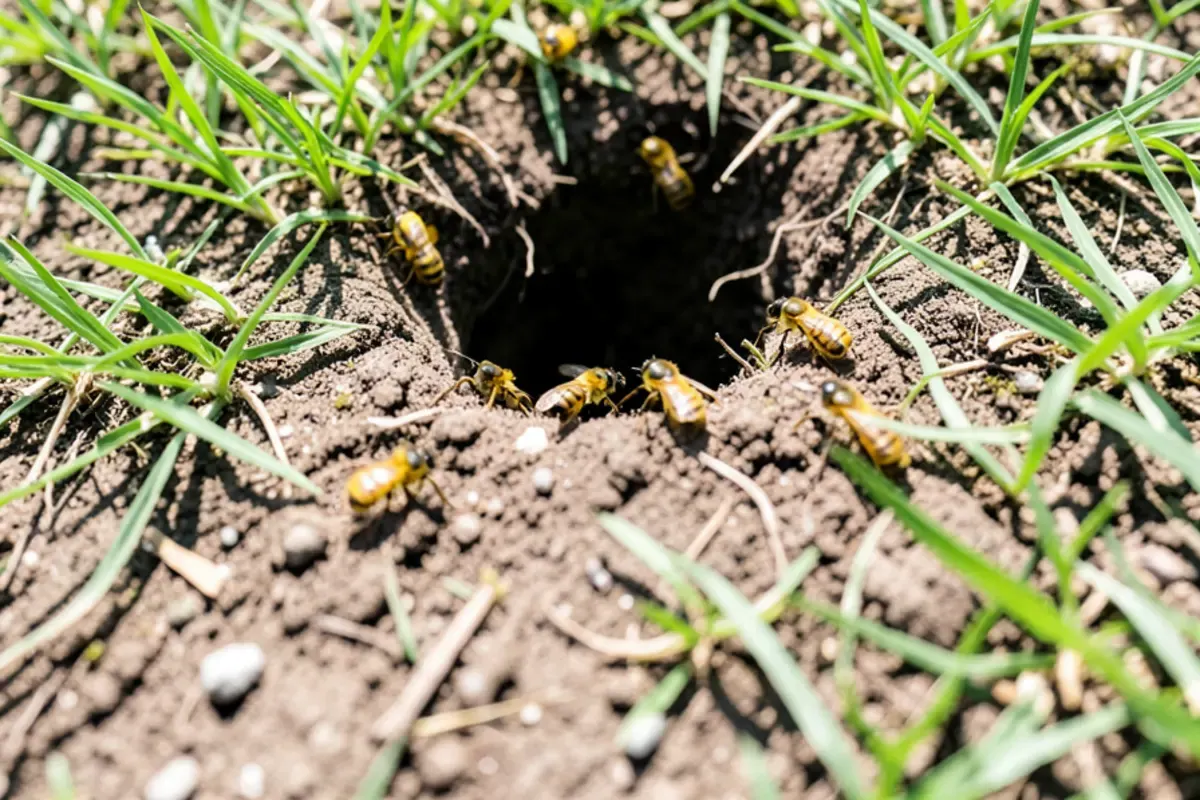
Searches for ground bees in Ohio sometimes turn up the same yard. Mining bees dig small mounds of loose soil in spring and rarely sting. Yellow jackets leave a bare hole, no mound and plenty of defensive attitude.
Why do yellow jackets crowd every cookout in August?
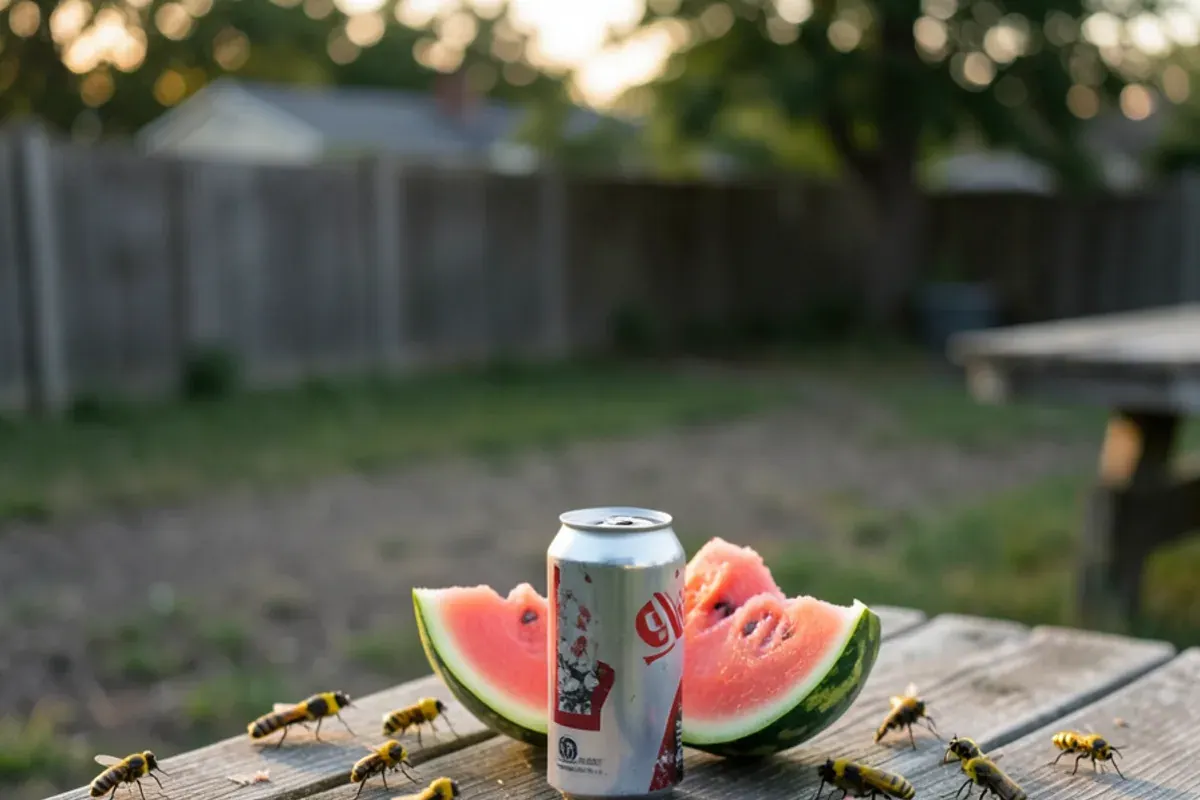
A yellow jacket colony starts with a single queen in spring and grows all summer. By late summer the colony is at full size, the workers stop feeding larvae as much and the adults go looking for sugar. That is when they land on soda cans, fruit and ice cream.
People get stung because they swat, drink from an open can or step near a hidden entrance. Fall brings more of the same until a hard freeze ends the colony. Only new queens survive the winter, and they do not return to the old nest.
How big does a yellow jacket colony get?
Ohio State University Extension reports that a colony can reach about 4,000 to 5,000 workers by August and September, with ten or more tiers of comb. Queens come out in April and early May and build the nest through summer. A nest that was a handful of insects at Memorial Day is a very different problem by Labor Day.
Stung and cannot find the nest?
Tell us where it happened. Stings with no visible nest often point to a hole in the lawn or a foundation gap.
- Serving Columbus since 1990
- 4.5★ from 55 Google reviews
- Owner-run, based on Dunning Rd
- One-time or recurring service
Prefer to write it down?
Calling is fastest. The form comes to the same desk, and we call you back during business hours.
Call (209) 563-1650Ground nest, foundation gap or wall void: how each one gets treated
Method follows the nest's location. We find the real entrance first, because treating the wrong hole does nothing.
| Nest location | How it is treated | What to avoid |
|---|---|---|
| In the ground | Labeled product placed at the entrance, then the area watched until traffic stops | Gasoline, flooding or digging the nest out |
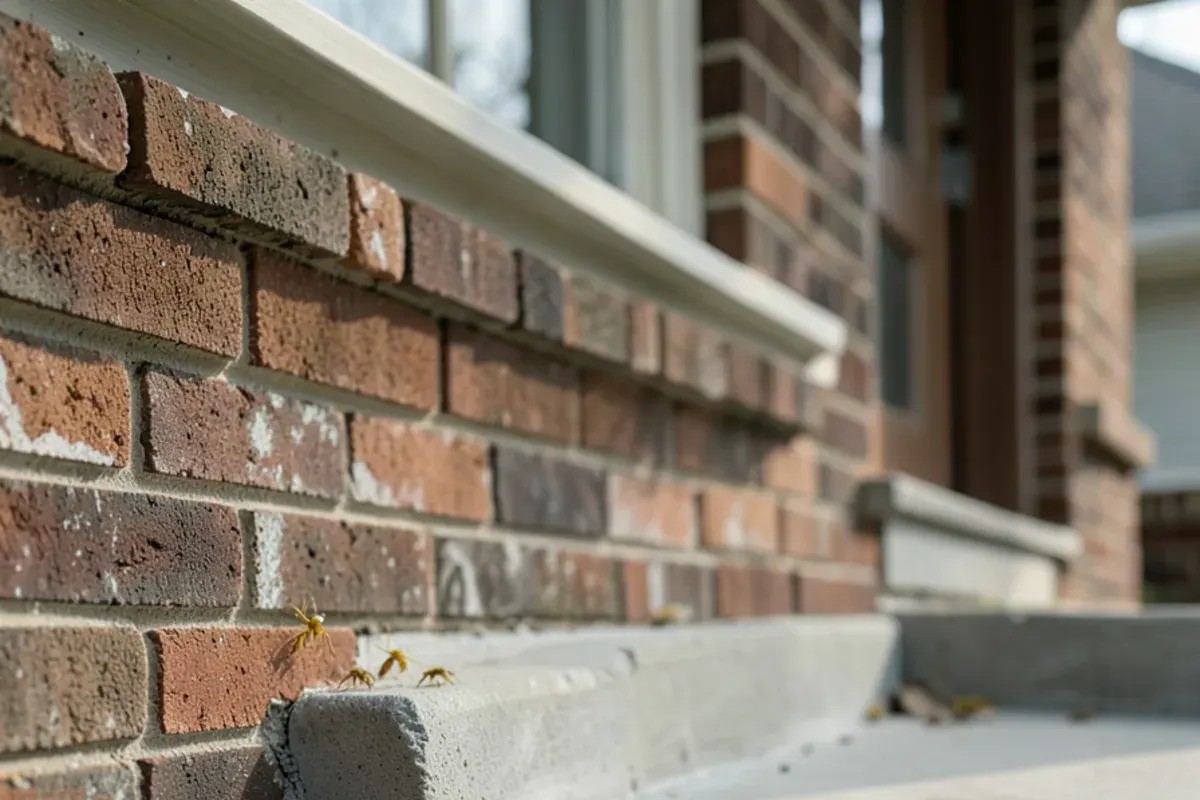
| Foundation or step gap | Treatment at the opening so the colony inside is reached | Sealing the gap before activity ends |
| Wall void or soffit | Entry point treated so the product travels into the void | Plugging the hole, which sends them toward the interior |
Products are applied per the label, and you get the re-entry time from the label. We ask about pets, children and allergies before the visit and plan around the answers.
Why do some nests get treated at first light?
Ohio State advises treating nests at dawn, when the cool night has left the wasps sluggish and most foraging has stopped. It also warns against shining an ordinary flashlight at the entrance. We plan the timing with you, and our schedule decides whether a dawn visit is possible.
Can I deal with a yellow jacket nest myself?
Some people try, and a good number get stung. A colony defends its entrance with many insects at once, and yellow jackets can sting repeatedly. A flashlight at night attracts them to you, and pouring gasoline into a hole is dangerous and harms soil and water.
Our DIY versus professional comparison covers the risks in more detail, and our yellow jacket ground nest guide explains when a hole in the lawn is urgent.
What does a yellow jacket visit look like, step by step?
- You describe the trafficTell us where the insects fly in and out and what you have already tried. Stay away from the spot.
- We find the entranceWe check ground level and the building for the real opening, not just the busiest one.
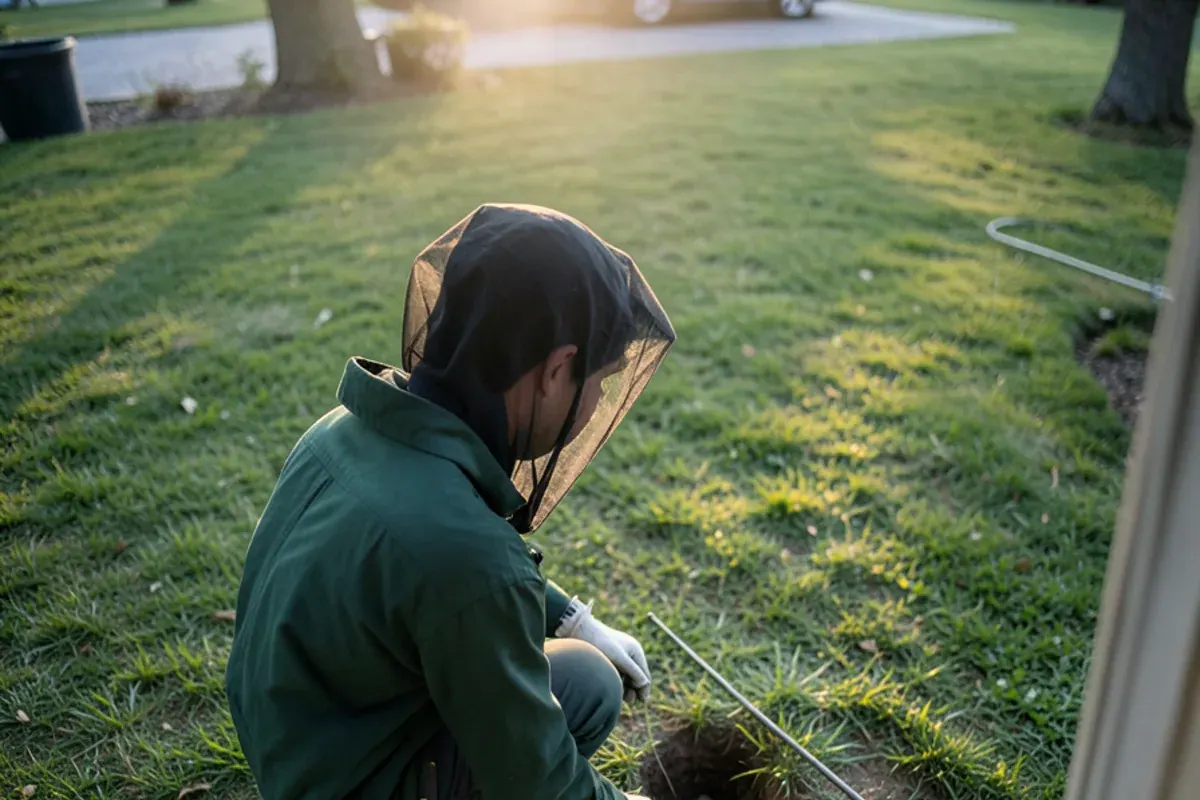
- We treat the openingLabeled product goes in at the entrance, applied in protective gear and per label directions.
- We watch for trafficActivity should fade as the colony dies. We tell you when to resume mowing and when to call if it does not.
- We explain the fill and cleanupOnce the nest is dead, you can fill a ground hole or close a gap. Nests inside walls stay and we explain what that means.
Do yellow jacket traps work, or should I find the nest?
Traps catch the foragers, not the colony. Ohio State University Extension says a homemade trap, made from an inverted soda bottle with fruit juice or syrup and a little soapy water, works about as well as store-bought ones. Commercial traps do not quickly cut a population. Set any trap out at least two days before a cookout so it is working when guests arrive.
The trade-off is simple. A trap near a patio can pull foragers away from your plates for an afternoon. It does nothing about the nest that keeps sending them. If you are seeing a steady line of insects at one hole, or keep getting stung, the nest is the problem and the trap is only a stopgap.
Ohio State also notes that nests turn up in animal burrows, thick mulch piles, rotted trunks and wall voids, and that ground nests may sit in high grass or mulched beds. Check those spots from a distance before you mow or spread new mulch.
What does yellow jacket removal cost in Columbus?
We price yellow jacket work by the type and extent of the nest. A single ground nest in an open lawn is a different job from a colony spread through a wall cavity. Access, the number of entrances and whether a return visit is needed all shape the quote.
You hear the price before work starts. In reviews, our pricing is called fair, with no surprise charges. If the colony is in a wall, we also explain what to expect afterward, because dead nest material left in a void can draw other insects.
How do I keep yellow jackets away from the yard?
- Keep trash cans closed and rinse cans and bottles before recycling
- Cover food and drinks outside, especially sugary ones, from July on
- Pick up fallen fruit under trees
- Fill unused burrows and ground holes in the fall, after the colony has died
- Seal gaps between foundation, steps and siding once activity ends

Wasps and hornets draw similar crowds, so read our pages on wasp nest removal and bee swarm and hive help if you are not sure which insect you have. Carpenter bees are a separate matter and live in wood.
Yellow jackets in a wall: what Ohio State and ODA say about products and hiring
Ohio State University Extension describes two ways to treat a nest in a wall void: an aerosol wand held at the entrance or an insecticide dust injected there. It also says not to plug the hole. Either way the product must be registered for the site, because EPA treats the label as law and the label limits where a product may go.
For hired work, Ohio requires a company applying pesticides for hire to hold an ODA Pesticide Business License. ODA's public search lets you look a company up before it opens a wall. Ask what product will go in and how long the area stays off limits.
Why Boydes Exterminating for this work
Ground and wall nests have one working opening and several decoys. We locate the right one before treating.
Allergies, kids and pets are asked about every time and shape how we plan the work.
Customers mention same day visits and next day hornet jobs. Yellow jacket calls get the same effort, depending on the schedule.
We explain the price before work starts, and reviewers say there were no surprise charges.
Mr. A family name since 1990: Robert Boyde started it, and Robert J. Boyde Jr. has it now. We take cash, checks, debit and credit. Reviewers on Google say 4.5 stars.
Where we do this work
- Columbus A 56% rental share means shared yards where nobody checks mulch beds and lawn edges for burrows.
- Reynoldsburg Median homes date to 1984 and 39% are rented, so mowing at rentals often finds hidden nests.
- Gahanna Big Walnut Creek runs through the city, and creekside lawns and banks have burrows to reuse.
- Obetz Seven public parks cover about 136 acres, so park lawns and mowers meet hidden ground nests.
- Pataskala New subdivisions meet farmland, and field edges and fresh mulch beds suit ground nests.
- Lake Darby Only 6% of homes are rented, so owners mow their own lawns along Big Darby Creek.
- Blacklick Estates Homes from about 1966 sit by Blacklick Creek, with older foundations and bank cover near step gaps.
- Groveport The old town grew along the Ohio and Erie Canal, and median homes date to 1990.
- Pickerington Median homes date to 2002, so young lawns and fresh mulch beds are where ground nests turn up.
We treat yellow jacket nests in Columbus, Reynoldsburg, Gahanna, Grove City and Pickerington, where lawns, step gaps and older foundations give them plenty of places to hide. Our Dunning Rd base keeps east side calls close. See all service areas.
Yellow Jacket Removal: common questions
How do I treat yellow jackets nesting in the ground?
Find the entrance from a distance, keep everyone away and call us. The product has to go in at the working opening, in protective gear, and the nest needs to be left alone afterward. Digging it out, flooding it or using fuel can leave you stung and does not finish the colony.
Can yellow jackets nest inside my walls?
Yes. They can enter through a gap in siding, a soffit or a foundation crack and build a papery nest in the void. You may see them inside near light fixtures or switches. Do not plug the hole, because they will look for another exit, which can be indoors.
Why are they so aggressive in late summer?
By late summer the colony is at its largest, the workers have fewer larvae to feed and they hunt for sugar. They also defend the nest harder. They land on drinks and food, and swatting provokes them. A hard freeze ends the colony, and the nest is not reused.
What if I mow over a ground nest by accident?
Leave the mower and run, ideally indoors, and cover your face as you go. Do not return for the mower until someone has dealt with the nest. Wash stings, watch for allergic symptoms and call 911 for trouble breathing or facial swelling. Then call us.
Are ground bees and yellow jackets the same thing?
No. Ground bees, usually mining bees, dig small mounds in spring, fly singly and seldom sting. Yellow jackets nest in a hole with no mound and attack in groups when the colony is disturbed. If you are unsure which you have, send a photo and we will help sort it out.
Sources
What customers say
4.5 stars from 55 Google reviews, checked November 2026. Read more reviews · Leave a review
Rob is a great find. Today was the second time he came out because I found two more yellow jacket nests. One in the ground and one at the foundation of the house. He came out the same day I called.
Mr. Boyde’s company is responsive and honest. They answer phone calls, give estimates, and come to your home quickly. Pricing is true to market price with no surprise charges.
Great service. Super dependable. Calls right back. This time he was able to come out same day.
Mow again without worry
Call with the location of the traffic. We will explain the plan, the price and when we can get out there.
- Serving Columbus since 1990
- 4.5★ from 55 Google reviews
- Owner-run, based on Dunning Rd
- One-time or recurring service
Boydes Exterminating Co, 1967 Dunning Rd, Columbus, OH 43219