
Boydes Exterminating Co
Apartment Cockroach Treatment in Columbus, OH
Apartment roach treatment in Columbus, OH works when it covers more than your kitchen: your unit, the units that touch it and a landlord who can coordinate them. Boydes Exterminating Co treats rentals for tenants and property managers, as part of our wider cockroach control in Columbus service.
- Serving Columbus since 1990
- 4.5★ from 55 Google reviews
- Owner-run, based on Dunning Rd
- One-time or recurring service
Roaches in an apartment rarely stay in one apartment. The plan has to deal with the shared walls, the prep and the question of who calls whom.
Do roaches travel between apartments?
Yes, and they do it through the building itself. Pipes, electrical conduit and gaps in drywall form a network of hollow channels that connect one unit to the next. German roaches in particular move along plumbing chases, and a kitchen on the other side of your wall can supply new roaches faster than you can clear the old ones.
About 56% of Columbus homes are rented (ACS 2019-23), which means a lot of people sharing walls. Roaches also arrive by moving boxes, used furniture and laundry carried between units. Our guide on how German roaches spread in an apartment maps those routes.
Who is responsible for roaches in a Columbus rental?
Under the Columbus Health Code, the owner of a dwelling with two or more units is responsible for eliminating pests, according to Columbus Public Health. The same code calls for dwellings to be kept insect-free under §221.03. Tenants are still expected to report a problem early and to prepare their unit.
In practice, the best results come when the landlord books the treatment and the tenants prepare. If you are a tenant, tell your property manager in writing, and ask for treatment of your unit and the adjoining ones. If you are the manager, a single call to us can cover the building.
After an inspection, we provide documentation of what we found and where, which helps both sides keep a record.
What to put in your written notice
- Your name, unit number and the date you are writing
- The rooms where you saw roaches, and roughly how many
- A photo of a live roach or a sticky monitor catch, if you have one
- Whether neighbors have told you they see roaches too
- A request for treatment of your unit and the units that touch it, with a reply date
Send it by email or letter, not only by phone, and keep a copy. A dated record shows when the landlord was told, and Ohio law ties the landlord's duty to that notice.
Roaches coming through the wall?
Tell us the building and which units touch yours. We will plan around them.
- Serving Columbus since 1990
- 4.5★ from 55 Google reviews
- Owner-run, based on Dunning Rd
- One-time or recurring service
Prefer to write it down?
Calling is fastest. The form comes to the same desk, and we call you back during business hours.
Call (209) 563-1650What do I need to empty before you treat?
Prep decides how much of the treatment reaches the roaches. Here is the short list for a typical unit:
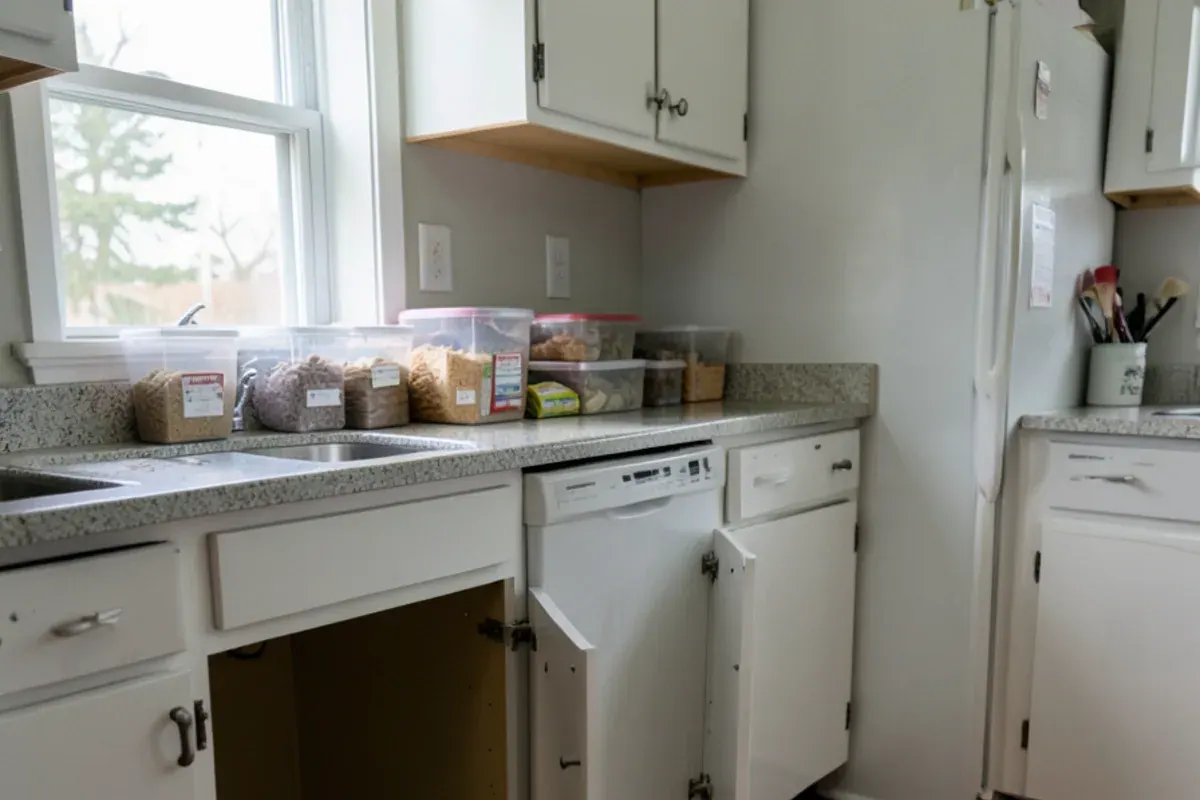
- Clear out the cabinets and drawers under the sink, around the stove and along the walls where we will work
- Put dry food, pet food and dishes in sealed containers or move them out of the kitchen
- Clear the floor along baseboards, and pull furniture a few inches from the walls
- Take out the trash, wash dishes and wipe the counters
- Empty the bathroom vanity and the cabinet above the toilet if roaches have been seen there
- Tell us about children, pets, allergies and any aquariums
You get the re-entry time from the product label, and we explain what to wipe and what to leave. For roach prep in a house, our cockroach prevention checklist has more detail.
Should the whole building be treated?
It depends on how far the roaches have spread. Treating one unit while the unit next door keeps a colony tends to bring them back, so we plan around the units that share walls, floors and ceilings with yours. These are the usual scopes:
| Situation | Suggested scope | Why |
|---|---|---|
| One unit, no sign next door | That unit, with a quick check of its walls | Early problem, likely a recent arrival |
| Roaches in your unit and one neighbor's | Both units, plus the units above and below | They share plumbing chases and wall voids |
| Several units on one floor or stack | Every unit in the stack, scheduled together | Treating one at a time lets roaches move to the others |
| Roaches in common areas or trash rooms | Common areas plus the affected units | Shared spaces keep supplying the units |
We do not recommend treating every unit for every call. We recommend treating the ones where roaches are or will go next, and the inspection tells us which those are.
What happens during an apartment roach treatment visit?
- We confirm what you haveSmall tan roaches in the kitchen point to German roaches, while roaches in the bedroom may be brown-banded. We identify the species first.
- We inspect the shared areasUnder sinks, behind appliances, around plumbing penetrations and along shared walls get a look, with monitors placed to read traffic.
- We treat your unitGel bait, crack and crevice work and growth regulators go where the roaches live, applied per label directions.
- We coordinate the neighborsWith the manager's go-ahead, adjoining units are treated in the same window so roaches cannot just move next door.
- We returnFollow-up visits are biweekly, monthly or bimonthly, depending on the monitors.
Landlords and property managers: scheduling and records
If you manage a building, the most useful thing you can do is give us access. Treatments stall when a unit is locked or a tenant is away, so give notice with a clear window and tell tenants what prep to do.
We work with apartment managers and have for years, and we keep the plan simple: one point of contact, a scope that follows the roaches, and follow-up dates set before we leave. Reviewers who manage rental properties mention that we respond quickly. Pricing depends on the extent of the infestation and the number of units, and it is explained before work starts.
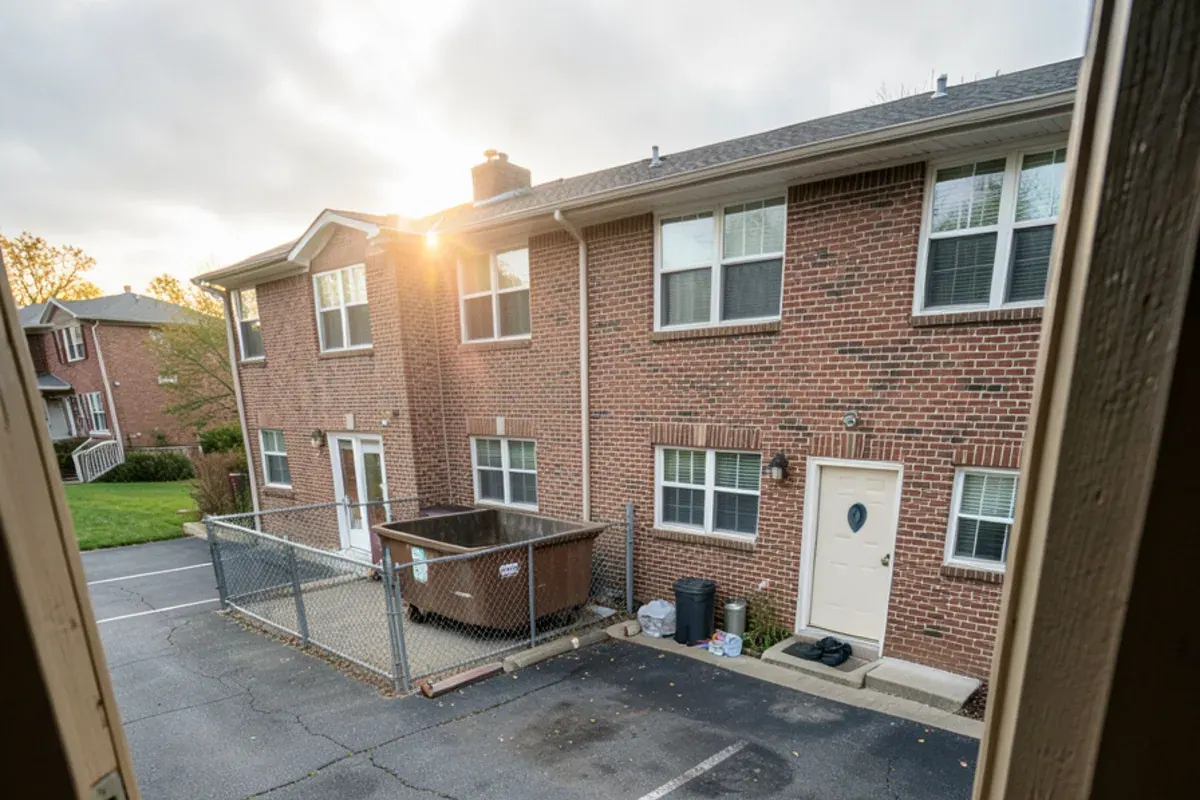
What a unit-by-unit log should hold
A log that lists each unit, the date of the inspection, the species, the monitor count and the next visit lets you spot a spreading building early. Units that touch a treated unit belong on the list even without complaints. The log also settles who prepped and who did not when a unit has to be redone.
For ongoing buildings, we can set a recurring schedule. Recurring visits catch a new problem before it spreads.
What affects the cost of roach treatment in an apartment?
The size of the unit matters less than the number of infested rooms, the severity and whether neighboring units are included. A heavy German roach problem with prep help takes more time than an early catch. We explain the price before work starts, and the number of follow-ups is part of that conversation.
Roaches in an Ohio rental: R.C. 5321.04 and the Columbus owner duty
Ohio Revised Code 5321.04 requires a landlord to make repairs and do what is reasonably necessary to keep a rental fit and habitable, and to keep common areas safe and sanitary. A landlord is liable once told about a defect, so written notice matters. Columbus Public Health adds that the owner of a dwelling with two or more units is responsible for eliminating pests under the city Health Code.
If a company treats the building, Ohio requires it to hold an ODA Pesticide Business License to apply pesticides for hire, and ODA's business search is public. Managers should confirm that before signing a service contract. Tenants should ask the manager which company is coming, what products go in the unit and what the label's re-entry time is.
Why Boydes Exterminating for this work
Managers of rental properties are part of our regular customer base, alongside homeowners, hotels and restaurants.
We ask about adjoining units at the start, since the neighbors decide whether the roaches stay gone.
You get a written record of what was found and where, useful when a landlord and tenant need to agree on next steps.
We work from 1967 Dunning Rd on Columbus's east side, and customers rate the company 4.5 stars across 55 Google reviews. Managers can pay by cash, check, debit or credit.
Where we do this work
- Columbus About 56% of homes are rented, and the Health Code puts pest elimination on owners of multi-unit buildings.
- Whitehall About 61% of Whitehall homes are rented, and roach work leads in its rentals.
- Urbancrest With 77% of homes rented, almost every building here has neighbors who share walls with the next unit.
- Lincoln Village A planned community from 1955 on U.S. 40 where 38% of homes are rented and buildings are aging.
- Reynoldsburg The city spans Franklin, Licking and Fairfield counties, with about 39% of homes rented.
- Westerville Otterbein University is in Westerville, and about 26% of homes are rented.
- Gahanna About 31% of homes are rented, with a median build year of 1985 and Big Walnut Creek through town.
- Hilliard About 31% of Hilliard homes are rented, so multi-unit buildings need coordinated treatment of adjoining units.
- Grove City About 30% of Grove City homes are rented, and the city adjoins the I-71 corridor.
We treat apartments across Columbus, Whitehall, Reynoldsburg, Westerville and Hilliard. Check our service areas for your neighborhood.
Apartment Cockroach Treatment: common questions
Do roaches travel between apartments?
Yes. Roaches move through wall voids, plumbing chases and gaps around pipes that connect units, and they hitchhike on boxes, furniture and laundry. German roaches spread this way most. That is why we ask about neighboring units and plan treatment around the units that share walls, floors and ceilings with yours.
What do I need to empty before you treat?
Clear the cabinets and drawers under the sink and around the stove, move food into sealed containers, clear baseboards and pull furniture a few inches from the walls. Take out the trash and wash dishes. Bathroom vanities may also need emptying. We give you a full list when we book.
Should the whole building be treated?
Not always. We treat the unit with the problem and the units sharing its walls, floors and ceilings, plus common areas if roaches show up there. If several units in a stack report roaches, treating them together works better than one at a time. The inspection tells us the right scope.
Is my landlord required to pay for roach treatment?
Under the Columbus Health Code, the owner of a dwelling with two or more units is responsible for eliminating pests, according to Columbus Public Health. Tenants must still prepare their unit and report problems. For disputes about specific leases, ask the property manager or a local tenant organization.
Can I treat one unit if my neighbor refuses?
You can, but the roaches may keep returning from the untreated unit. We still treat what we can and seal gaps along the shared wall to slow the traffic. If a neighbor will not cooperate, tell your landlord in writing, since the owner is responsible for the building.
How soon can you come to an apartment?
It depends on the schedule. Same-day visits happen when the schedule allows, and customers mention them, but many apartment jobs are booked a few days out so prep can happen first. Call early in the day and tell us what you are seeing, and we will give you the earliest time we can.
Sources
What customers say
4.5 stars from 55 Google reviews, checked November 2026. Read more reviews · Leave a review
I manage a few rental properties around the city and Mr Boyde is the only exterminator that I can rely on to be on. Only had to make 1 visit and the problem was resolved.
Robert has been great to work with, he is quick to respond and professional. We are a small family business ourselves and like working with people with the same philosophy who take care of their clients.
Mr. Boyde’s company is responsive and honest. They answer phone calls, give estimates, and come to your home quickly. Pricing is true to market price with no surprise charges.
Book an apartment visit
Call as a tenant or a manager. We will explain the prep, the neighbors and the price.
- Serving Columbus since 1990
- 4.5★ from 55 Google reviews
- Owner-run, based on Dunning Rd
- One-time or recurring service
Boydes Exterminating Co, 1967 Dunning Rd, Columbus, OH 43219