

Pest Control Services
Fall Pest-Proofing Checklist for Central Ohio Homes
A fall pest control checklist comes down to one idea: close the openings before the first hard cold pushes mice and overwintering insects toward your walls. Most of the work is sealing, screening and moving things away from the house, and a weekend covers it.
- Serving Columbus since 1990
- 4.5★ from 55 Google reviews
- Owner-run, based on Dunning Rd
- One-time or recurring service
Below is the order we would work in around a central Ohio home, from the ground up and from the outside in.
Why does fall bring pests inside?
When nights cool, mice, stink bugs, boxelder bugs and lady beetles all go looking for a warm, protected spot. Your house has plenty of them: wall voids, attic corners, gaps by the garage door. They do not need much room to get in.
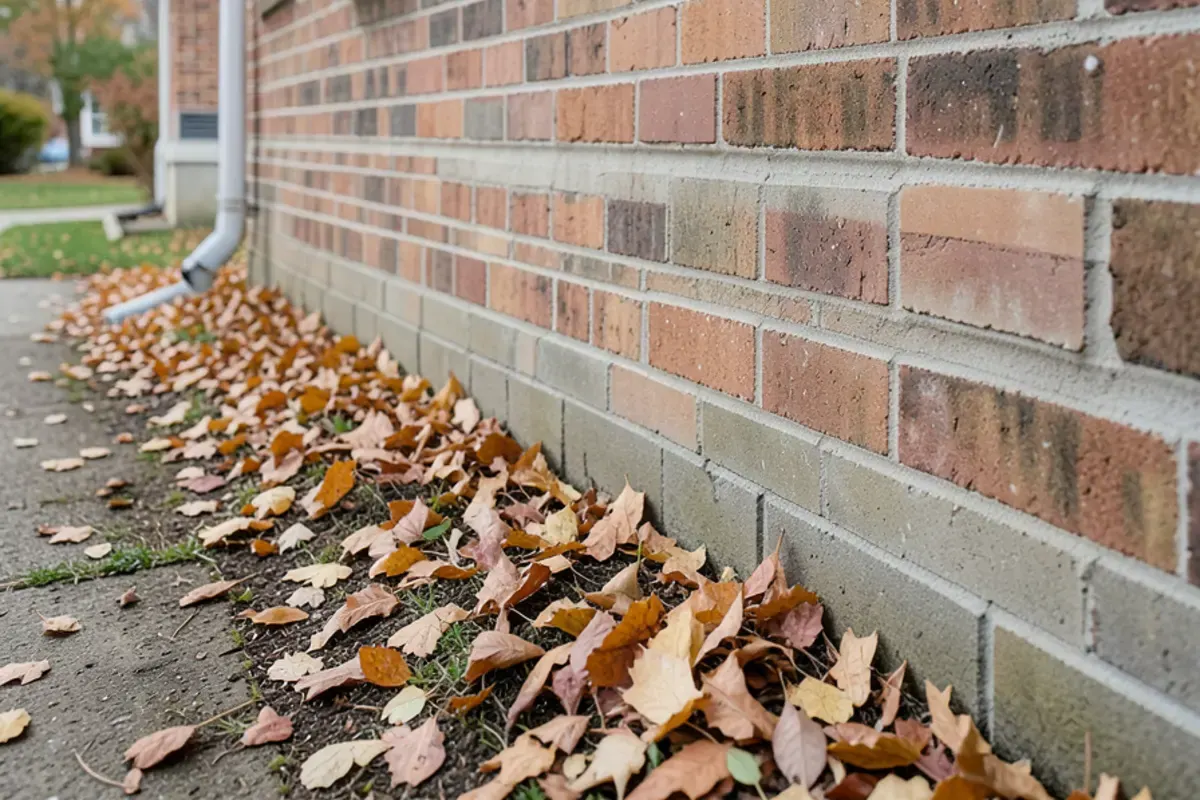
Columbus Public Health points to Columbus Health Code §221.03, which says openings of half an inch or more within 48 inches of ground level should be sealed. Mice can fit through gaps smaller than that, so treat the half inch as a ceiling, not a target. Start with anything you can slide a finger into.
Want a second set of eyes?
Describe the gaps you have found or the noises you are hearing. We will tell you what is worth fixing first.
- Serving Columbus since 1990
- 4.5★ from 55 Google reviews
- Owner-run, based on Dunning Rd
- One-time or recurring service
What goes on a fall pest-proofing checklist?
Work from the outside in, and do the ground-level items first, since mice use them.
- Walk the foundation. Look for cracks, gaps around pipes and cable lines, and missing mortar. Seal with caulk for small gaps and a metal or mesh filler for larger ones.
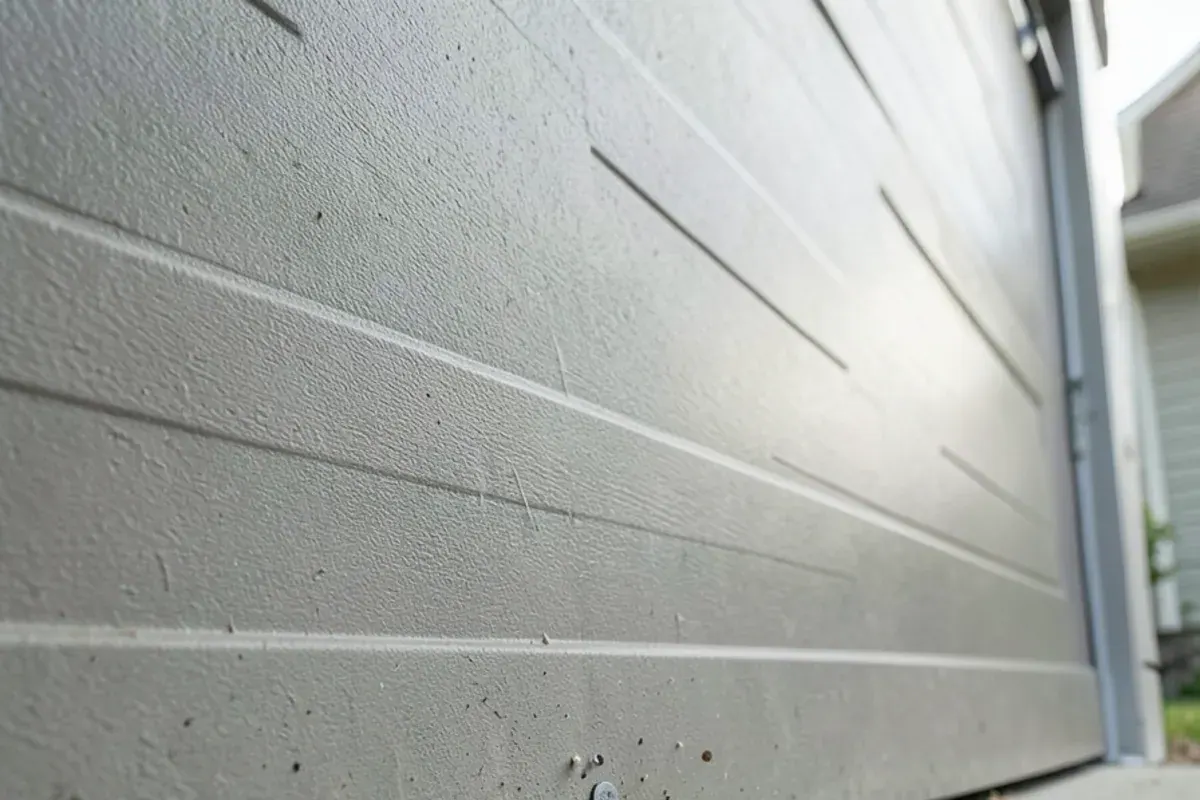
- Replace door sweeps and weatherstripping. If you can see daylight under an exterior door, a mouse can use it. Check the garage door seal as well.
- Screen the vents. Dryer vents, attic vents, crawl space vents and chimney openings should have intact screens or caps.
- Check windows. Repair torn screens and gaps at frames. Insects often enter at the top of south-facing windows, where the sun warms the wall.
- Move firewood and clutter. Stack firewood away from the house and off the ground. Pull piles of boards, leaves and mulch back from the foundation.
- Clean the gutters. Standing water and debris draw insects and rot wood.
- Tidy the garage and basement. Store food, pet food and birdseed in sealed bins, and lift cardboard off the floor.
- Look at the roofline. Check where the fascia, soffit and siding meet for gaps that lead to the attic.
Which material fits which gap?
The wrong filler is the most common reason a seal fails. Match the material to the opening:
| Where | Material | Watch for |
|---|---|---|
| Small cracks at doors, windows, fascia and utility pipes | Silicone or silicone-latex caulk | Dry surface first, and follow the label for temperature |
| Mouse-size gaps at pipes and the foundation | Metal mesh or other rodent-proof material | Foam alone, because mice chew through it |
| Bottom of exterior doors and the garage door | New door sweep or bottom seal | Daylight at the corners |
| Vents and chimney openings | Intact screen or cap | Torn or loose edges |
Should window air conditioners come out in fall?
Yes. Ohio State University Extension advises removing window air conditioners in fall, since their narrow vents attract stink bugs. Pull the unit, seal the gap around the window frame and vacuum any bugs on the sill. Cover or store the unit so nothing nests in it over winter.
Which fall pests should you watch for in central Ohio?
| Pest | Where you notice it | First move |
|---|---|---|
| Mice | Droppings in garage, pantry or cabinets; night noises | Seal entry points, then trap or treat |
| Stink bugs and boxelder bugs | Clustered on sunny walls and window frames | Seal frames and screens, vacuum indoors |
| Lady beetles | Gathering near windows on warm autumn days | Seal gaps; vacuum rather than crush |
| Yellow jackets | Active near trash and outdoor food into fall | Keep a safe distance from nests; call for removal |
| Spiders | Basements and garages as insects move in | Reduce insects and clear clutter |
What is the right order for fall pest-proofing jobs?
Timing matters as much as the list. Central Ohio averages about 53°F across the year (NOAA climate normals), so the first hard cold can arrive while the leaves are still on the trees. Pace the work like this:
- Early fall: clean gutters, check the roofline and screens, and move firewood off the wall.
- Before the first cold snap: caulk, replace door sweeps and seal the foundation on a dry day.
- After the first frost: check the garage, basement and attic access for droppings or new activity, and set traps if you find signs.
- Mid-winter: look again at the places you sealed, because settling and freezing can open new cracks.
Doing the roofline first is deliberate. Stink bugs and boxelder bugs gather on warm, sunny walls in early fall, and a sealed upper wall keeps them out before they find the gap.
Can you seal everything yourself?
A lot of it, yes. Caulk, weatherstripping and screens are inexpensive hardware-store jobs. The parts that tend to defeat homeowners are the ones you cannot reach or see: roofline gaps two stories up, openings behind siding and the chase where a pipe enters a wall.
That is where pest exclusion and sealing work comes in. Exclusion means closing the openings pests use so they cannot return. For rodents specifically, see our rodent proofing service. If you already hear scratching, sealing alone traps animals inside, so call before you plug anything.
What if you rent and cannot seal the building?
You can still do the inside half. Store food in sealed containers, keep cardboard off the floor and vacuum insects off windowsills. About 56% of Columbus homes are renter-occupied (ACS 2019-23), so this is a common problem across Columbus.
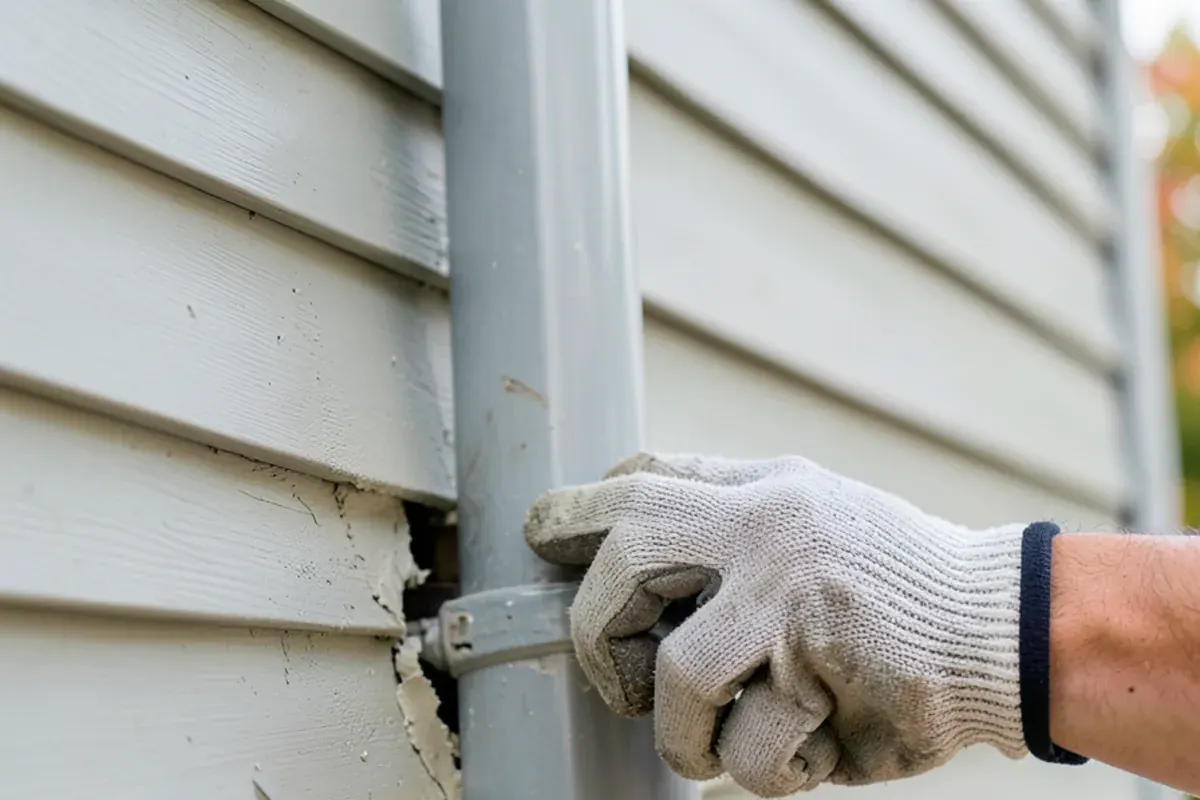
The outside half belongs to the owner. For a multi-unit building, Columbus Public Health says eliminating pests is the owner's duty. Tell the landlord in writing, list the gaps you see with dated photos and keep a copy. Do not caulk or drill structural openings in a rental yourself unless the lease allows it.
What should you do about pests that are already inside?
Sealing keeps new arrivals out, but it does not remove the ones already in the walls. Droppings, gnawed packaging and a steady trickle of bugs on a window mean the work needs to start indoors as well. Our mouse control and stink bug control pages explain how those jobs go.
Avoid foggers and bug bombs. They rarely reach the voids where pests hide, and they can push insects deeper into the walls.
What we look at first on a fall visit
We start outside and look at where the building meets the ground, because that is where the pattern shows up. If there is a gap at a pipe on the north wall, there is usually a trail of evidence that runs back to it inside, such as droppings, grease marks or chewed insulation. Following that trail is faster than guessing.
We also ask what you have noticed in the last few weeks. A new smell in the garage, a run of insects on the same window or a noise at night each point somewhere different. You give us the clues and we find the opening.
If you prefer a plan over a one-off, we can set follow-up visits as needed through the winter. See pest control in Columbus for the services, and tell us if you have pets, children or allergies so we plan around them.
Sealing has limits, and it is worth knowing them. Caulk shrinks and cracks after a winter of freezing and thawing. A gap you sealed on the south wall can reopen, and a door sweep wears out in a few seasons. Plan to walk the house again next fall, not to treat the job as done for good.
Calling is not always worth it. A few lady beetles on a window on a warm October afternoon, or one stink bug on a sill, need a vacuum, not a visit. Call when the same pest shows up in the same spot for a week, when you find droppings, or when you hear movement in a wall.
Related questions
When should I start pest-proofing my house for fall?
Start in early fall, before the first hard cold, when mice and insects begin moving toward warmth. Late summer is not too early for sealing and screening. Waiting until you see a mouse means working while the pest is already inside. Weather pushes the timing, so watch the forecast.
How do I keep mice out of my house in winter?
Seal gaps at the foundation, around pipes and under garage doors, replace worn door sweeps and store food in sealed containers. Remove outdoor shelter like wood piles against the wall. If you hear activity already, trap and treat first. Sealing before the mice are out would lock them in.
Does weatherstripping really keep pests out?
It helps a lot at doors and windows, which are common entry paths. A tight door sweep stops mice, spiders and crawling insects from slipping under. It will not stop gaps at pipes, vents or the roofline, so combine it with sealing the foundation and screening vents.
What fall pest-proofing can a Columbus renter do?
Renters can store food in sealed containers, keep boxes off the floor and report gaps to the landlord in writing with dated photos. Columbus Public Health makes a multi-unit owner responsible for pests, so exterior sealing is the owner's job. Skip any structural repair the lease does not allow.
A fall checklist is cheaper than a winter of chasing mice. Work through the list above, and call (209) 563-1650 if you find gaps you cannot reach or signs of activity already inside. We cover homes across Franklin County, and you can read more about our pest exclusion work.
Sources
- Columbus Public Health, Columbus Health Code §221.03 on rodent and insect control
- Ohio State University Extension, brown marmorated stink bug guidance (caulk, fall entry, window air conditioners)
- NOAA climate normals for Columbus, Ohio (1991-2020)
- U.S. Census Bureau, American Community Survey 2019-23, Columbus renter-occupied housing
- Columbus Public Health, Columbus Health Code owner duty for dwellings of two or more units
Questions about this? Call the shop.
Tell us what you are seeing and we will tell you what happens next.
- Serving Columbus since 1990
- 4.5★ from 55 Google reviews
- Owner-run, based on Dunning Rd
- One-time or recurring service
Boydes Exterminating Co, 1967 Dunning Rd, Columbus, OH 43219