
Boydes Exterminating Co
Warehouse & Food Plant Pest Control in Columbus, OH
Warehouse pest control in Columbus, OH is a perimeter job: doors, docks, pallets and the strip of ground around the building. This page covers what a warehouse needs and how we approach it, from the dock plates to the paperwork.
- Serving Columbus since 1990
- 4.5★ from 55 Google reviews
- Owner-run, based on Dunning Rd
- One-time or recurring service
Trucks and pallets arrive from elsewhere all day, and rodents and stored product pests arrive with them. This page is part of our commercial pest control in Columbus work, and it covers dock doors, inventory pests and audit records.
Industrial pest control in Columbus: what a large building needs
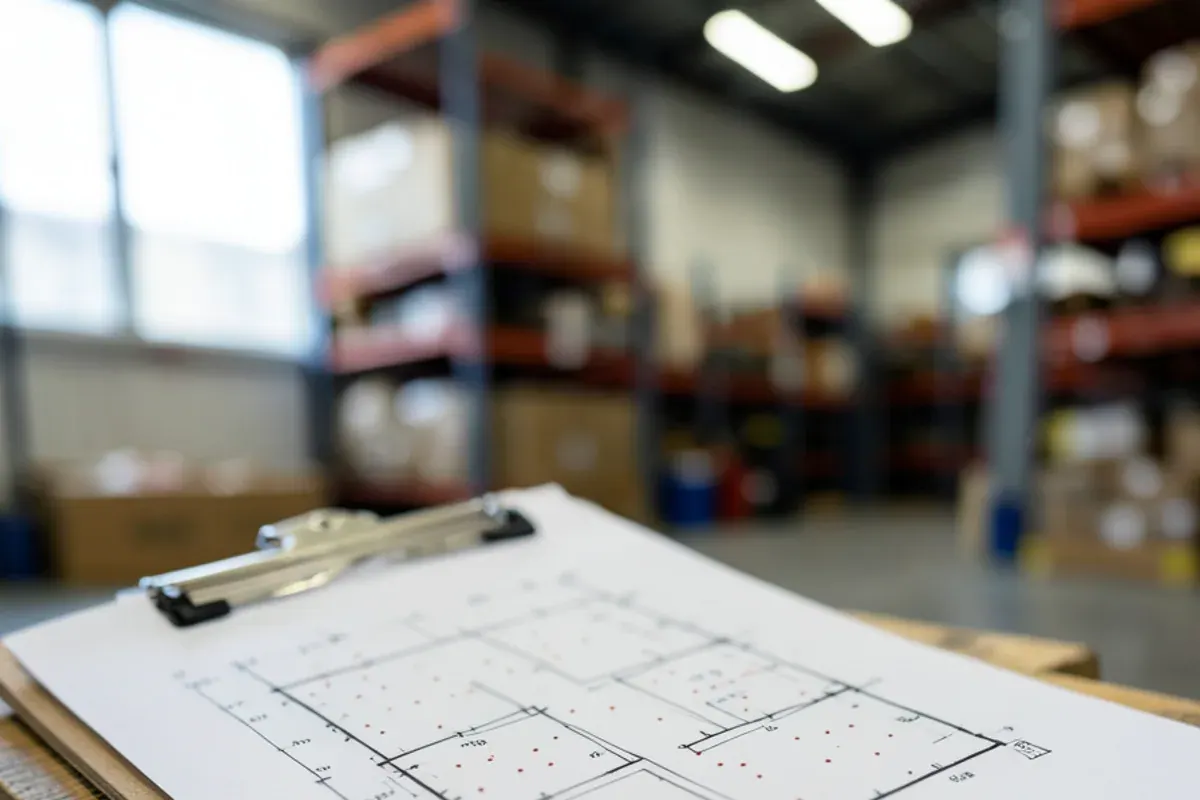
A warehouse has too many doors and too much floor to treat the way you treat a house. A workable plan starts with a map. Every door, dock, drain, utility penetration and monitoring point goes on paper, and each gets inspected on a set rhythm.
Orkin's 2026 rattiest cities ranking puts Columbus at No. 15. Rodents follow food, cardboard and warmth, and a distribution building has plenty of all three.
How do you control rodents at dock doors?
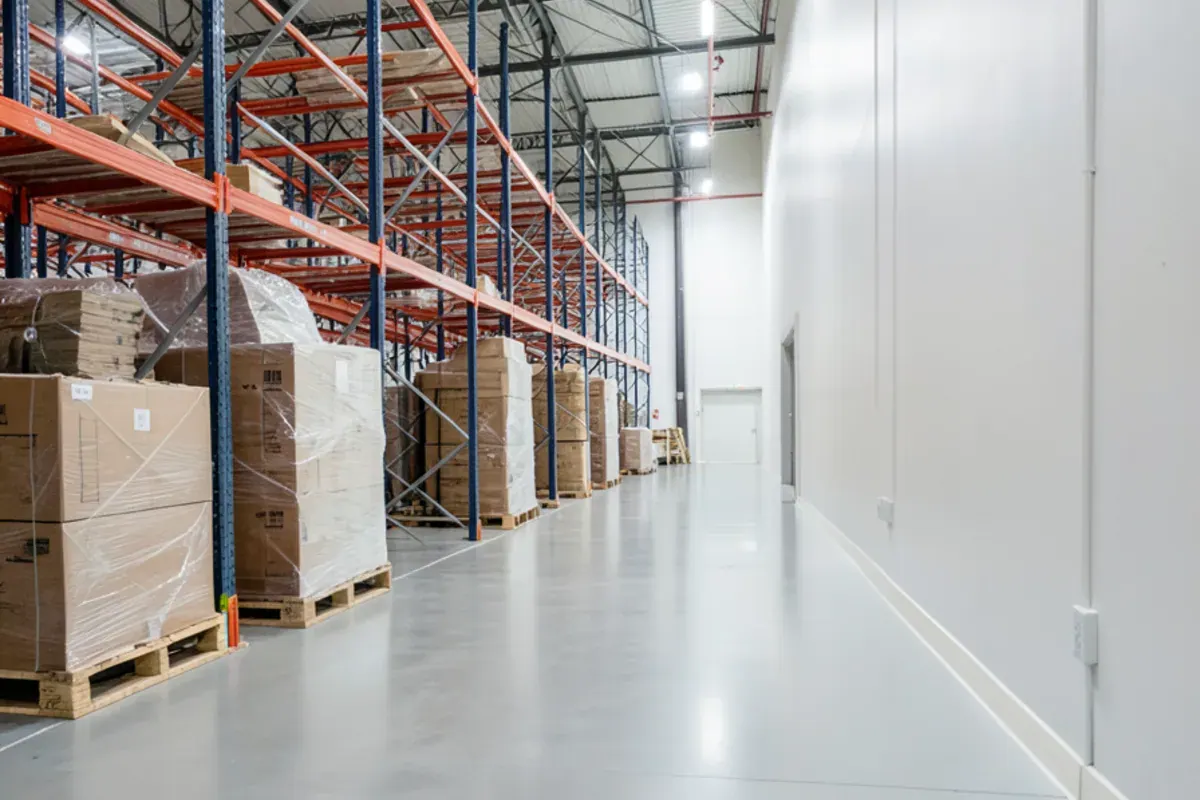
Doors do most of the work. A dock door that does not seal, a leveler with a gap or a person-door propped open gives a mouse all it needs. We would start by checking the following:
- Door seals and sweeps, since a gap the width of a pencil is enough for a mouse
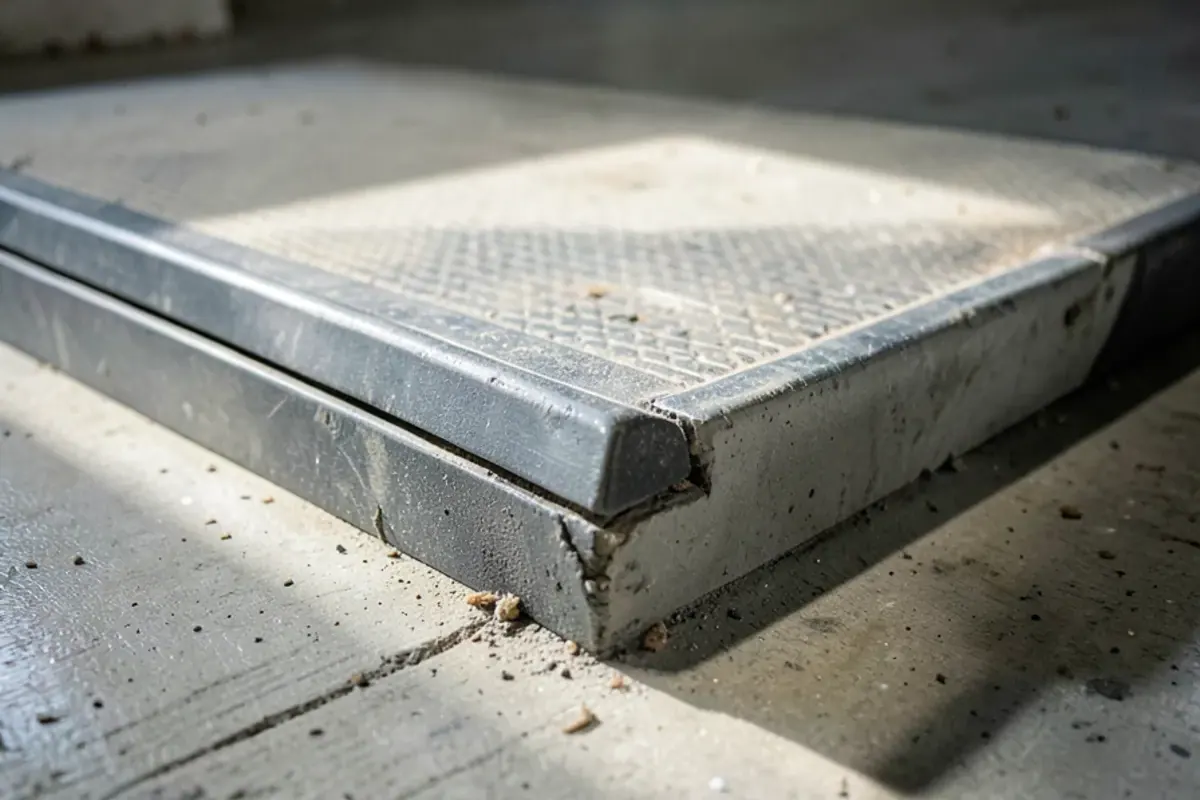
- Dock levelers and the edges around them
- Pallet placement, because pallets stacked against a wall hide activity
- Exterior vegetation, trash containers and standing water near doors
- Pipe and conduit openings where utilities enter the wall
Exclusion means sealing the gaps pests use. Exterior bait stations form a perimeter line, and interior traps and monitors show what gets past it. The visit notes tell you which doors to repair.
What does each kind of monitor tell you?
| Device | Where it sits | What it tells you |
|---|---|---|
| Exterior bait station | Along the building line and near dock doors | How much rodent pressure reaches the perimeter |
| Interior snap trap or monitor | Wall bases, dock edges and utility rooms | What got past the exterior line, and through which door |
| Pheromone monitor | Stock lanes, damaged pallets and food storage | Whether stored product moths or beetles are active, and where |
| Glue monitor | Break rooms, drains and restroom corners | Crawling insects such as roaches that the building is feeding |
Mouse droppings at a dock door?
Call, and tell us which door and what you found. Leave pallets where they are until we look.
- Serving Columbus since 1990
- 4.5★ from 55 Google reviews
- Owner-run, based on Dunning Rd
- One-time or recurring service
Prefer to write it down?
Calling is fastest. The form comes to the same desk, and we call you back during business hours.
Call (209) 563-1650Stored product pest control: what lives in your inventory
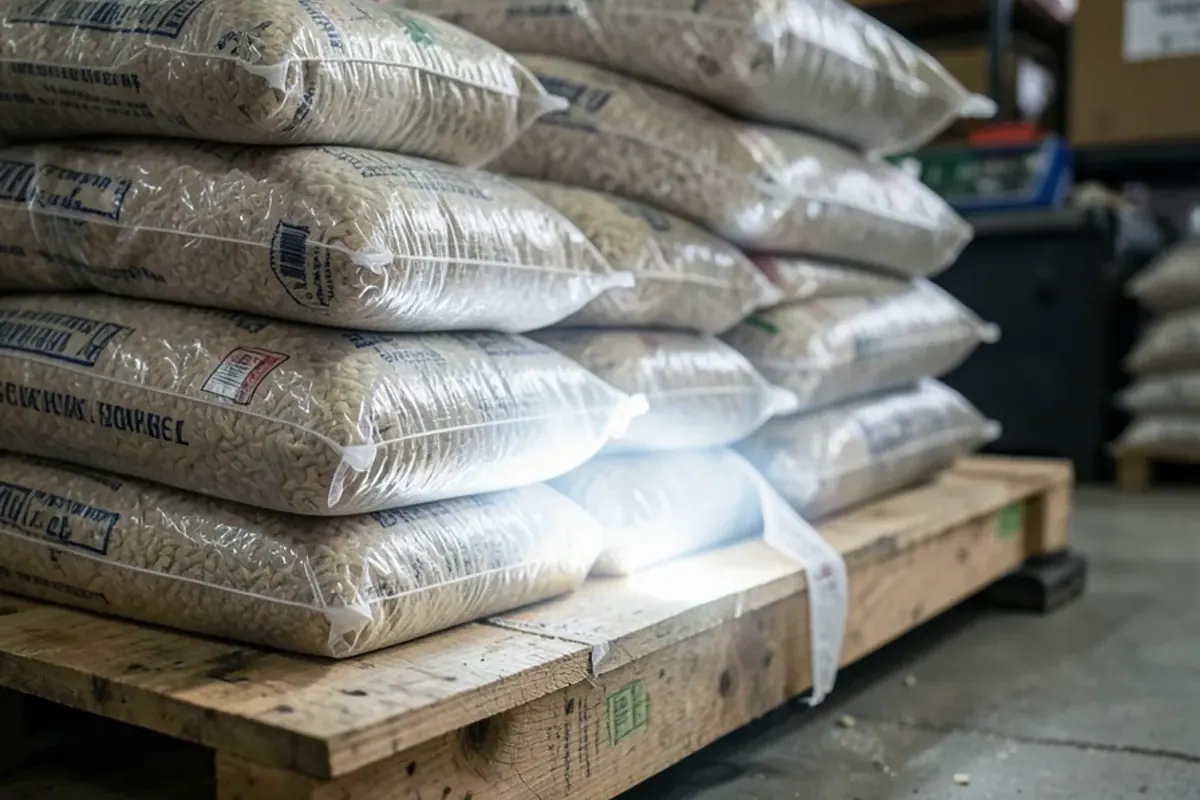
Stored product pests are small beetles and moths that live in flour, grain, pet food, spices and packaging. They arrive in the product, and they breed inside it, so spraying the walls does little. The fix is inspection, rotation and finding the source.
We would look at older stock, damaged pallets and spilled product in corners, then place pheromone monitors to see where adults are active. Pantry pest basics are the same at any scale, and a food plant just has more places to hide.
Can you serve Rickenbacker-area warehouses?
Yes. Obetz and Groveport are about 20 minutes from our Dunning Rd base, and the Rickenbacker-area distribution parks are in that corridor. Our post on pest prevention for Rickenbacker-area warehouses covers the seasonal pushes.
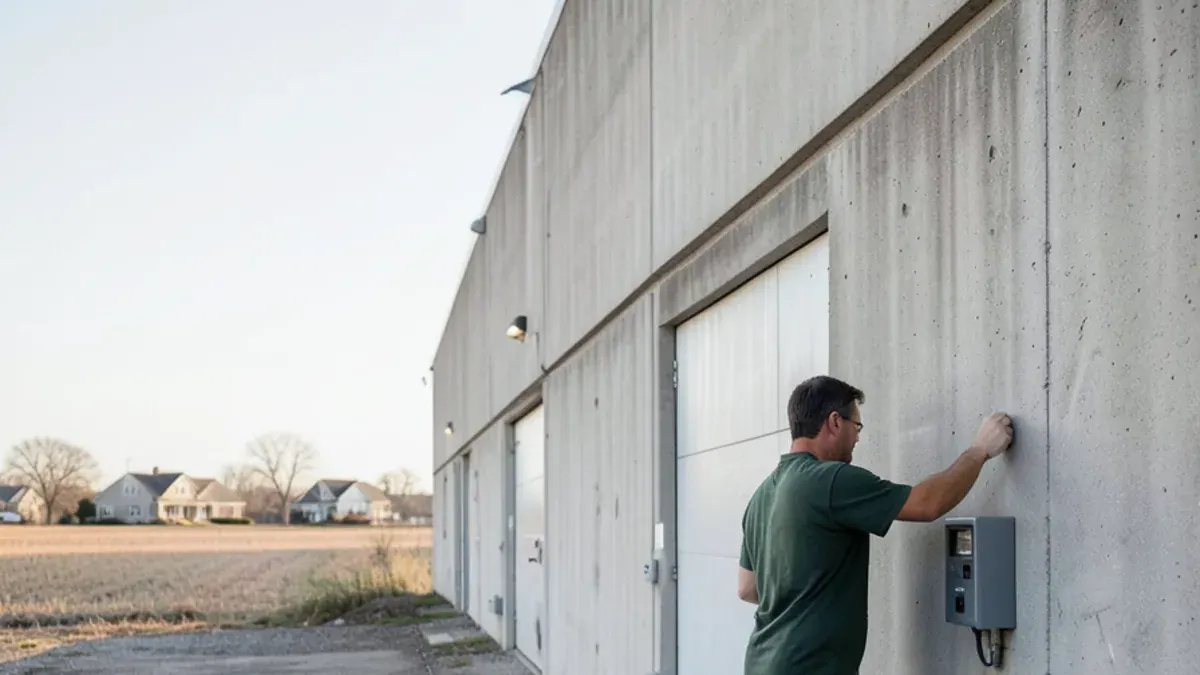
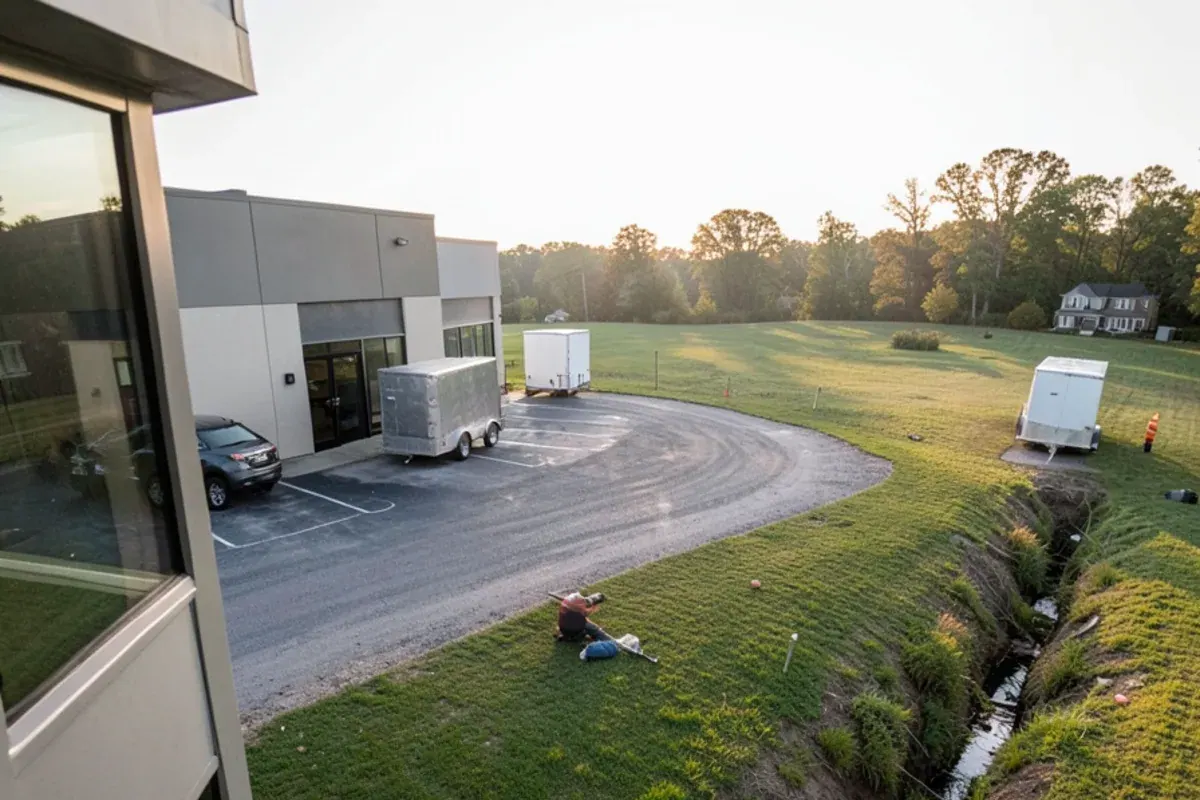
These buildings sit near open fields and drainage ditches, which gives rodents ground cover that office parks do not have. Fall is when mice start looking for a building.
Why do fields and ditches next to a distribution park matter?
A rodent that lives in a drainage ditch is a few yards from a dock door. Tall grass against the fence, pooled water and gravel piles all give it cover on the way. We ask for a clear strip along the building line and a look at how the property drains. In fall, when mice look for warmth, the strip is the first thing we check.
Food plant pest control in Ohio: audits, records and trap maps
Food plants and warehouses that store food often face third-party audits, and auditors ask for the pest program on paper: trap maps, service reports, corrective actions and trend notes. A good record shows a pest was found, handled and checked again.
We provide documentation after an inspection, and we would shape the report to what your auditor wants. Our guide on what to keep in a pest control logbook lists the entries to start with.
- Walk the building and map itDoors, drains, docks and storage zones go on a floor plan.
- Set the exterior linePerimeter stations and sealed entry points come first.
- Place interior monitorsTraps and pheromone monitors go where activity is most likely.
- Add insect monitors for stored product pestsPheromone monitors near stock lanes and receiving show where moths and beetles are active before they spread.
- Report and fixEach visit lists findings and what your team should repair or move.
- Trend the results and adjustWe compare each visit with the last, so a rising count at one door becomes a repair and not a surprise.
What does warehouse pest control cost?
Price depends on the type and extent of the problem, the building's size and the number of doors, and how often you need visits. We explain it before work starts. Visits run biweekly, monthly, bimonthly or as needed, and a large building with an active problem starts at the shorter end.
Food plant and warehouse pest rules: FDA Part 117, Ohio ODA and your auditor
If a building stores or handles human food, federal rules apply. FDA's current good manufacturing practice rule, 21 CFR 117.35(c), states that pests must not be allowed in any area of a food plant, and it permits pesticides only under precautions that protect food and food-contact surfaces. Pest control is among the items FDA cites most in food plant inspections.
On the state side, Ohio requires a company that applies pesticides for hire to hold an ODA Pesticide Business License, and ODA's public search lets you check one. Your auditor may ask for more than the law does. Before you sign, ask the vendor for the monitor map, the trend report format and how corrective actions are written up.
Why Boydes Exterminating for this work
Food businesses have taught us to keep clean service records. Those same habits suit a warehouse with an audit or a customer to answer to.
The company dates to Mr. Robert Boyde's start in 1990, and owner Robert J. Boyde Jr. runs it from 1967 Dunning Rd. You usually deal with the owner.
You get written findings that you can hand to an auditor or a facility manager. We set the next visit at biweekly, monthly, bimonthly or as needed once the first inspection is done.
We explain pricing before treatment, and reviewers call it fair with no surprise charges. Cash, checks and cards, debit or credit, are all taken.
Customers write about honest answers, and about same-day visits when the schedule allowed.
Where we do this work
- Obetz Warehouse and distribution employers fill the Rickenbacker-area logistics zone, with houses a few blocks from dock doors.
- Groveport Distribution centers grew up around Rickenbacker International Airport, so dock-side rodent control is a core Groveport job.
- Canal Winchester The village spans Franklin and Fairfield counties on the southeast edge of the metro, with canal-era buildings near newer lots.
- Ashville Ashville sits south of Rickenbacker in the Scioto valley, where Walnut Creek and open ground feed field rodents.
- Columbus Columbus ranks No. 15 on Orkin's 2026 rattiest cities list, and large buildings offer food, cardboard and warmth.
- Union County Large buildings on the US-33 corridor need door, dock and drain checks on a schedule.
- New Albany The New Albany International Business Park holds large buildings, and Intel Ohio One is under construction on the Licking County side.
- Jersey The Intel Ohio site in Jersey Township turns over soil, which pushes field rodents toward new foundations.
- Licking County The west edge of the county is changing around Intel's site, and new builds need a monitoring plan from the start.
We cover the Rickenbacker-area corridor from Obetz and Groveport, plus Canal Winchester and Columbus. Warehouses in Reynoldsburg are close to our base too. See all service areas.
Warehouse & Food Plant Pest Control: common questions
How do you control rodents at dock doors?
We would start by sealing the door: sweeps, side seals and the gaps around levelers. Exterior bait stations then form a perimeter, and interior traps and monitors flag what gets through. Pallet placement and exterior debris matter as much as product. Each visit lists which doors need repair.
Do you handle stored product pests?
We handle pantry and stored product pests, such as beetles and moths in flour, grain and pet food. The work centers on finding the infested product, removing it and using monitors to check for adults. Spraying walls alone does not fix an infested pallet, so stock rotation and cleaning count.
Can you serve Rickenbacker-area warehouses?
Yes. Obetz and Groveport are about 20 minutes from our Dunning Rd base, and the Rickenbacker-area distribution corridor falls inside our service area. Tell us the address and size of the building when you call. We will explain how a visit would work and when we could schedule it.
Will you work with our auditor's requirements?
Tell us what the audit asks for, and we will shape the documentation around it. We provide written findings after an inspection, and trap maps and corrective action notes can be part of the plan. Share the audit checklist before the first visit, so the report format is right from the start.
How often should a warehouse be serviced?
It depends on the size of the building, what you store and how much pressure the exterior brings. Visit spacing runs biweekly, monthly or bimonthly, or as needed. A food-handling building or an active rodent problem usually starts with shorter intervals, and the trend notes show when you can stretch them.
Sources
- Orkin, Rattiest Cities list, 2026
- U.S. FDA, 21 CFR 117.35(c), pest control in food plants
- Ohio Department of Agriculture, Pesticide Business License lookup
What customers say
4.5 stars from 55 Google reviews, checked November 2026. Read more reviews · Leave a review
I manage a few rental properties around the city and Mr Boyde is the only exterminator that I can rely on to be on. Only had to make 1 visit and the problem was resolved.
Robert has been great to work with, he is quick to respond and professional. We are a small family business ourselves and like working with people with the same philosophy who take care of their clients.
Mr. Boyde’s company is responsive and honest. They answer phone calls, give estimates, and come to your home quickly. Pricing is true to market price with no surprise charges.
Ask for a site assessment
Send us your building size, door count and audit schedule. We will outline what we would inspect and how we would price it.
- Serving Columbus since 1990
- 4.5★ from 55 Google reviews
- Owner-run, based on Dunning Rd
- One-time or recurring service
Boydes Exterminating Co, 1967 Dunning Rd, Columbus, OH 43219