
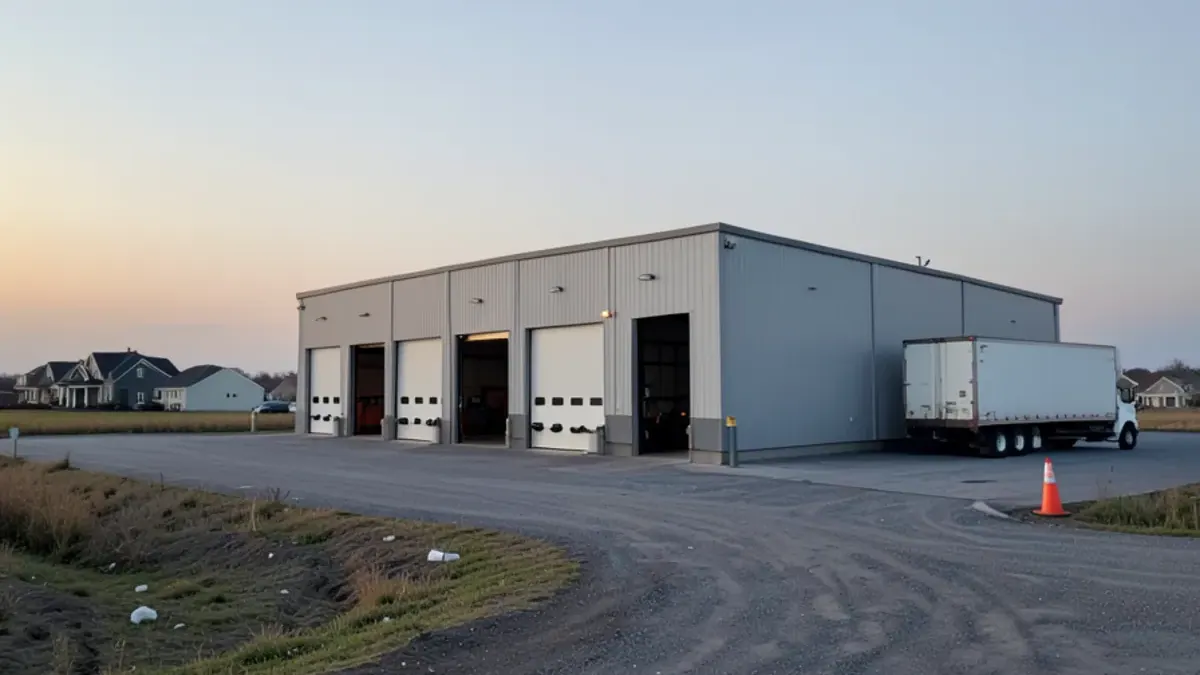
Commercial Pest Control
Pest Prevention for Rickenbacker-Area Warehouses
Warehouse pest prevention near Rickenbacker comes down to two openings: the dock doors that let pests walk in, and the inbound pallets that carry them in. Big buildings with constant truck traffic and stored goods give rodents and stored product pests everything they need, so the plan has to start at the edge of the building.
- Serving Columbus since 1990
- 4.5★ from 55 Google reviews
- Owner-run, based on Dunning Rd
- One-time or recurring service
This guide covers the weak points we look at in distribution buildings around Groveport and Obetz. It is the thinking behind our warehouse pest control work, and it sits inside our wider commercial pest control service.
Why are warehouses near Rickenbacker a target for pests?
The Rickenbacker area is a logistics hub of air cargo, rail and truck traffic, with large distribution buildings clustered around Groveport and Obetz south of Columbus. Trucks arrive from many places, and what rides on them comes into your building.
Add open land and drainage ditches around the big-box buildings, and rodents have cover right up to the walls. Orkin's 2026 list of rattiest cities ranks Columbus No. 15, a reminder that rodents are a regional fact. Dock doors open dozens of times a day, and each opening is a chance for something to slip in.
What does the rail terminal change for pest pressure?
Norfolk Southern opened its Rickenbacker intermodal terminal in 2008, and a 2013 Airport Improvement profile reported that more than 90 percent of the containers moving through it were international in origin. A container that has sat in a port yard, on a ship and on a rail car has had many chances to pick up stored product pests or shelter a rodent.
The Rickenbacker Global Logistics Park was created in 2006 on nearly 1,600 acres across five campuses, and the same profile noted that most of its warehouses exceeded 400,000 square feet. A building that size has a long perimeter, many dock doors and a lot of interior wall line to watch. Those figures date from 2013.
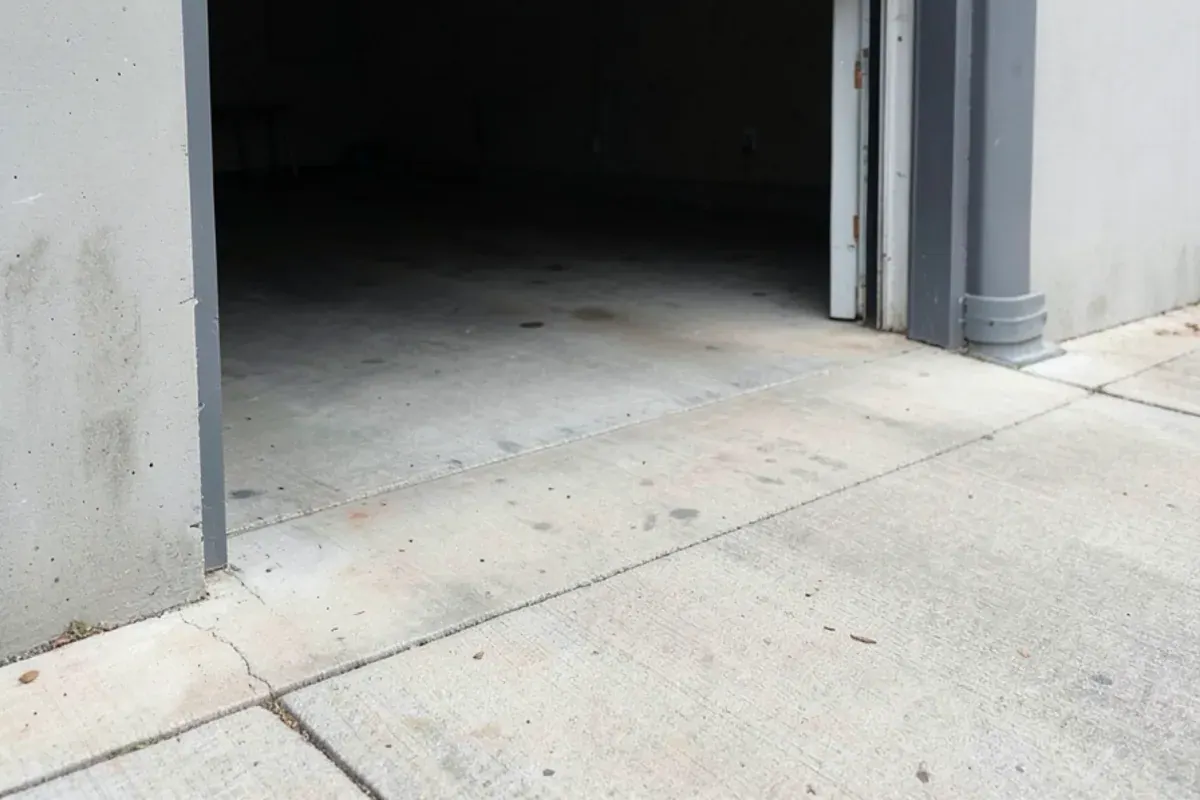
Seeing droppings near a dock door?
Tell us the building size and where you have seen signs. We will talk through the first inspection steps.
- Serving Columbus since 1990
- 4.5★ from 55 Google reviews
- Owner-run, based on Dunning Rd
- One-time or recurring service
What are the weak points at a dock?
Most warehouse pest cases start at the loading dock. These are the spots to check.
- Dock door seals and shelters: torn or compressed seals leave gaps that mice slip through.
- Door sweeps and thresholds: worn rubber lets daylight and rodents under overhead doors.
- Levelers and pits: the pit under a dock leveler is dark, sheltered and often has debris.
- Personnel doors: propped doors, especially in warm weather, are open invitations.
- Trash compactors and dumpsters: these draw rodents to the door when kept near the dock.
Close doors when no truck is present and report seal damage as a maintenance item, not a someday item.
How do pallets and inbound freight bring pests in?
Pallets and cartons arrive from many origins, and pests can ride in. Wooden pallets can harbor insects, and packaged dry goods can hold stored product pests, such as pantry moths and flour beetles, that were already in the product.
- Inspect inbound loads at the dock, looking for chewed packaging, droppings, webbing and live insects.
- Reject or isolate damaged pallets until they can be examined.
- Keep staged pallets away from the walls so there is an inspection lane.
- Rotate stock first in, first out, so nothing sits long enough to infest.
- Take cardboard and pallet waste out promptly.
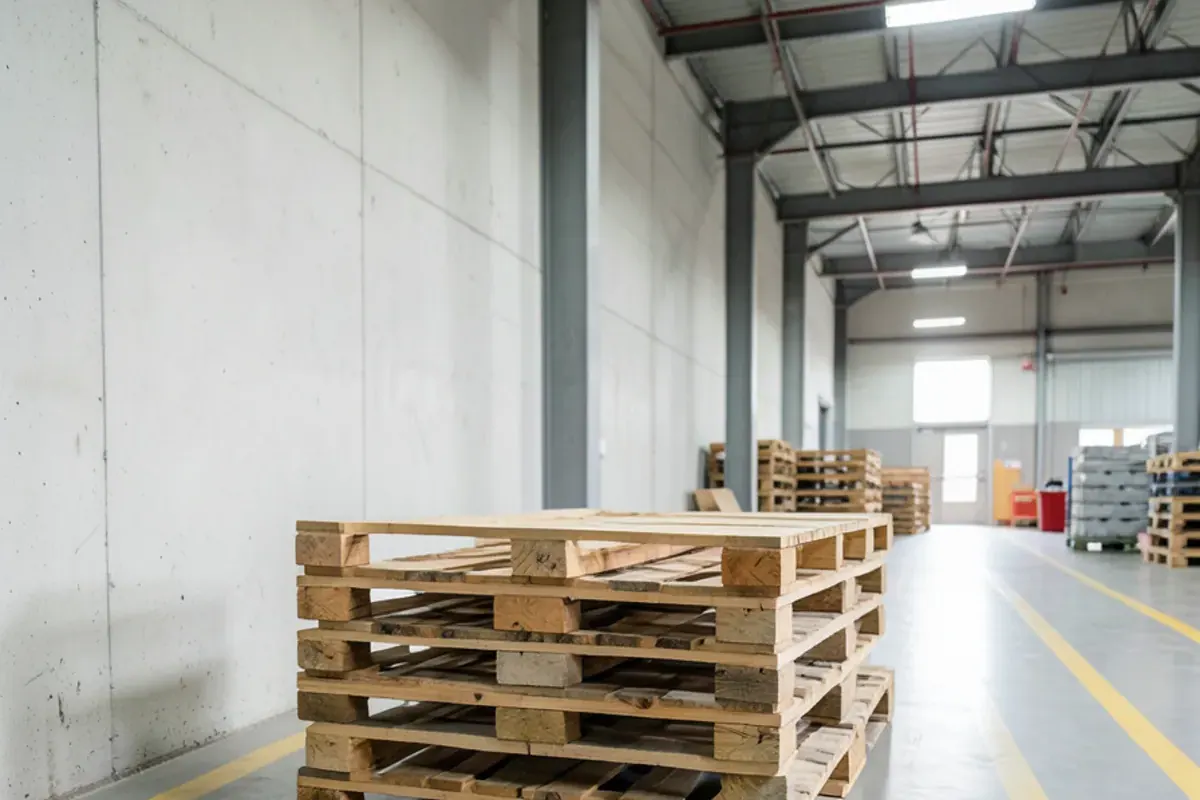
What should you check on a container or trailer before unloading?
The unloading door is the last point where you can see what the load brought with it. A two-minute check is cheap against a rodent that nests in racking for a season.
- Open the door and look at the floor before anyone steps in. Droppings, shredded packaging and gnaw marks show up first on the threshold and along the side walls.
- Shine a light across the cargo faces and the corners where the load meets the wall.
- Look for live or dead insects on the cartons and a fine dust or webbing at the seams.
- Smell the air. A musty, ammonia-like odor can mean rodent urine in a closed box.
- Photograph anything you find and set the load aside before it joins other stock.
- Tell your pest company and your carrier that day, with the container or trailer number.
Not every dead beetle means an infestation. Several in one load, or the same pest in two loads from one source, is a pattern worth acting on.
What does a layered prevention plan include?
A plan has layers: the exterior, the dock, the interior and the records. If one fails, the next one catches it.
| Layer | What it covers | Who usually owns it |
|---|---|---|
| Exterior | Perimeter stations, vegetation trimmed back, gravel strip along walls, lighting | Pest company and facility team |
| Dock | Seals, sweeps, closed doors, levelers | Facility maintenance |
| Receiving | Load inspection, pallet quarantine, staging lanes | Operations |
| Interior | Monitoring, aisle clearance, sanitation, spill cleanup | Operations and pest company |
| Records | Service reports, sighting log, corrective actions | Pest company and site manager |
Perimeter treatment means applying product around the outside of the building along walls and entry points, always per label directions. Exclusion, which is physically blocking the openings, does the heavy lifting underneath it.
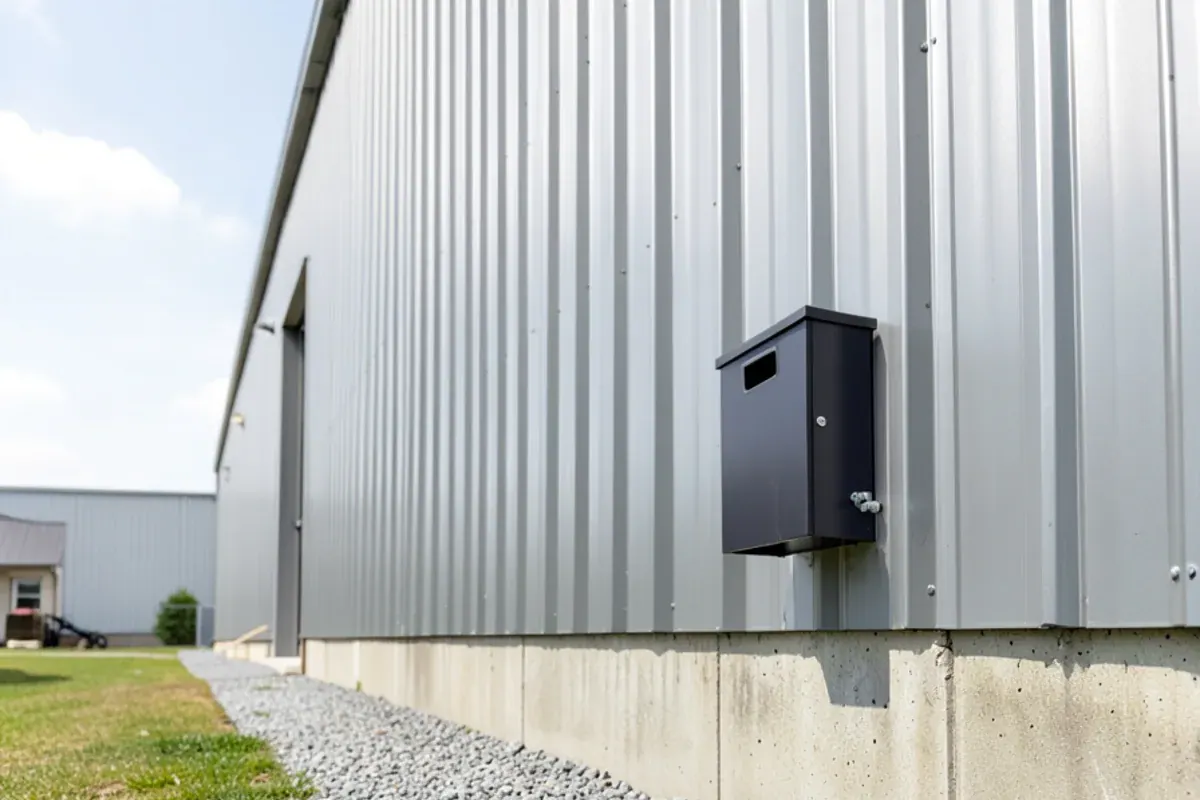
How do you control stored product pests and rodents indoors?
Inside a warehouse the goal is to make hiding spots visible. Stored product pests, such as Indian meal moths and flour beetles, settle in spilled grain, damaged cartons and the dust that collects at pallet corners. Mice nest in stored packaging and behind equipment.
- Sweep spilled product at once, including from racking beams and floor joints.
- Keep aisles and wall lanes open so monitors and flashlights can reach the base of the walls.
- Place monitors and traps at doors, corners and along walls, and check them on a set schedule.
- Pull damaged or old stock aside and dispose of it before it becomes a source.
- Store pallets so that air and light reach the bottom layer.
Heavy product infestations take a plan of their own. If monitors catch moths or beetles, tell your pest company which products sit nearest, so the search starts in the right aisle.
How do the seasons change warehouse pest pressure?
Pressure shifts through the year, and the plan should shift with it.
- Fall: mice and rats look for warm, sheltered spaces as nights cool, and dock doors left open for ventilation let them in. Check seals and sweeps before the first cold week.
- Winter: pests that moved in during fall settle into racking and equipment. Monitors along the walls show whether anything got through.
- Spring: ants and other insects become active, and rain brings water to pits and levelers. Clear debris and standing water.
- Summer: open doors, trash and spilled product feed flies, ants and stored product pests. Tighten sanitation and door discipline.
Buildings that sit beside open ground or drainage ditches often feel the shift most, since mice there have cover to the wall. A walk of the exterior each season, with gravel strips and vegetation checked, keeps the lane clear.
What should a warehouse keep on file?
Customers, auditors and insurers may ask for proof that pest control is running. Keep service reports, a sighting log with dates and locations, and a record of corrective actions such as repaired door seals. Our post on what to keep in a pest control logbook lists the items.
For the cost side of commercial programs, see our guide to restaurant pest control cost. The factors differ by building type, but the logic of scope, pressure and frequency carries over.
What we tell warehouse managers
A big building makes people think a big treatment is the answer. In our experience the answer is usually smaller: fix the seals, move the dumpster, keep a lane along the walls. Then we monitor, and we adjust.
We serve Groveport, about 20 minutes from our Dunning Rd base, and Obetz, also about 20 minutes. A walk of the dock and exterior tells us where to start. We explain the price before work starts, and we set follow-ups biweekly, monthly, bimonthly or as needed.
If your site stores food products, tell us. Those programs have extra records and monitoring, and we plan around them.
The plan has limits. Perimeter stations and treatment do not make up for a dock door that stands open all shift. A pest company can monitor and treat, but it cannot close the door. If the seals and doors stay open, the same findings return.
One catch does not always need a visit. One dead mouse in a trap by a dock door after a cold night is the monitor doing its job. Call when droppings appear inside, when stored product pests show up in several aisles or when the same door keeps producing catches.
Related questions
How do rodents get into large warehouses?
Mostly through dock doors, worn sweeps, utility penetrations and gaps where walls meet the slab. Mice need only a small gap. Exterior cover such as tall grass or stacked pallets along the wall gives them a protected route. Walk the exterior and dock with a flashlight to find openings.
Can pests arrive inside inbound pallets?
Yes. Wooden pallets and packaged dry goods can carry insects, and chewed packaging can show rodent contact before the load arrives. Inspect inbound freight at the dock, set damaged pallets aside until they are checked and keep staging away from walls so the lane stays open to view.
How often should a distribution center have pest service?
It depends on the products stored, building age and past activity. Food-related sites and those with rodent history often start with more frequent visits and relax once monitoring shows control. We set follow-ups biweekly, monthly, bimonthly or as needed after seeing the building.
Who is responsible for dock door seals and exterior repairs in a leased warehouse?
It depends on the lease. Many tenants maintain dock equipment and doors, while the landlord covers the shell and exterior grounds. Pests ignore that line, so agree in writing who fixes worn seals, sweeps and wall gaps. A pest company can list the openings it finds, and your lease decides who repairs them.
If you run a building near Rickenbacker, start at the dock and work inward. Learn more about warehouse pest control and commercial pest control, then call (209) 563-1650 to talk through your site. We serve Groveport and Obetz.
Sources
Questions about this? Call the shop.
Tell us what you are seeing and we will tell you what happens next.
- Serving Columbus since 1990
- 4.5★ from 55 Google reviews
- Owner-run, based on Dunning Rd
- One-time or recurring service
Boydes Exterminating Co, 1967 Dunning Rd, Columbus, OH 43219