
Pest Control Services
One-Time vs Recurring Pest Control: Which Do You Need?
One time vs monthly pest control comes down to what you are dealing with. A single contained problem, like a nest or a short ant trail, usually needs one visit. A pest that keeps returning, or a building that invites them, usually needs a plan.
- Serving Columbus since 1990
- 4.5★ from 55 Google reviews
- Owner-run, based on Dunning Rd
- One-time or recurring service
Not every home needs a contract, and not every problem is solved by one treatment. Here is how we sort the two.
When is a one-time treatment enough?
One-time service suits problems with a clear beginning and end. The pest is identified, the source is reachable, and nothing suggests more is on the way.
- A wasp or hornet nest that can be removed in a visit.
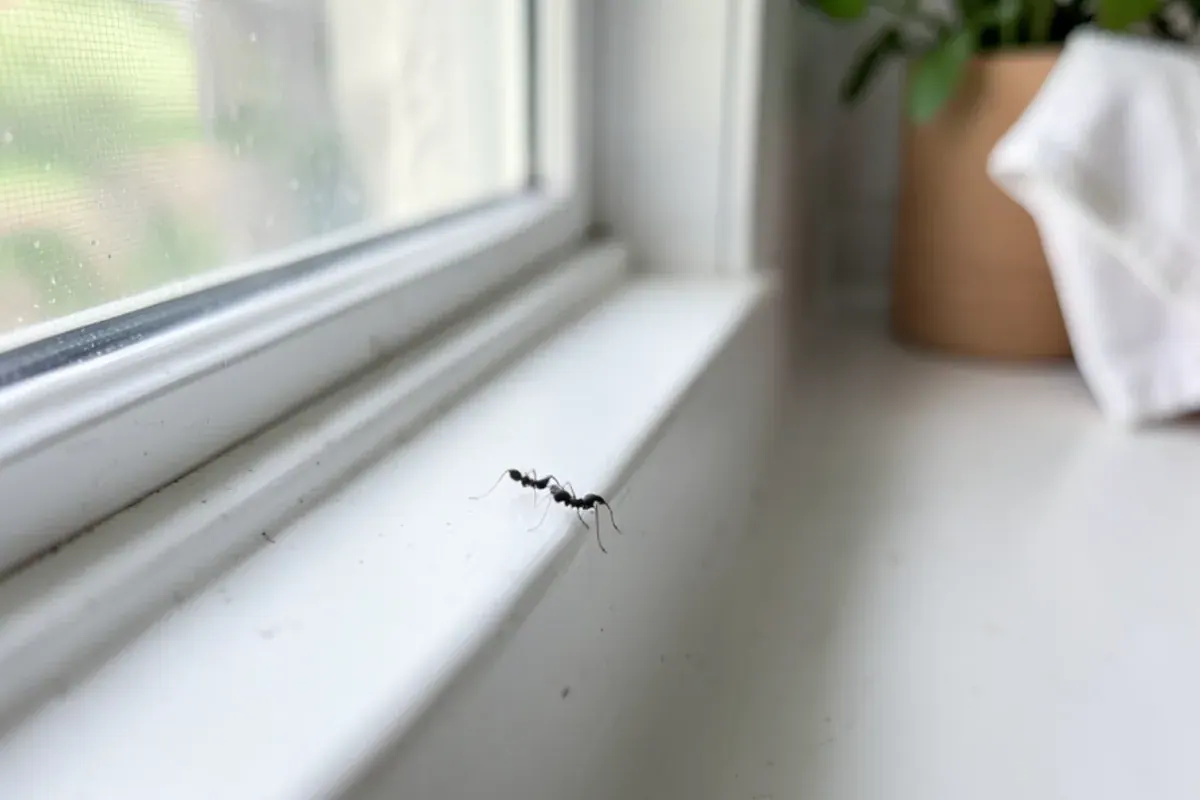
- A short-lived burst of ants after wet weather.
- A single sighting where an inspection finds nothing established.
- Prep before a move, a sale or a family visit.
- A seasonal spider or insect issue in a clear, limited spot.
Our one-time pest control page covers what a single visit includes. Even then, tell us if the problem returns. A one-time treatment that fails to hold is a sign the cause is still there.
How do you know one visit was not enough?
Watch the first two weeks. The same pest back in the same spot, droppings in a new room, or a trail that returns after you wiped it away all mean the cause is still there. At that point a return visit or a short plan beats a second one-time call, because the first treatment gave us a baseline to compare against.
Not sure which one you need?
Describe the pest and how long you have seen it. We will say whether a single visit or a plan makes sense.
- Serving Columbus since 1990
- 4.5★ from 55 Google reviews
- Owner-run, based on Dunning Rd
- One-time or recurring service
When does a recurring plan make more sense?
Recurring service fits problems that rebuild. Some pests breed faster than a single treatment can reach. Some buildings let new ones in every season, and some businesses cannot risk a sighting.
- German cockroaches and similar pests, where eggs hatch after the first visit.
- Mice and rats in older or poorly sealed buildings.
- Apartments and shared walls, where neighbors keep the cycle going.
- Restaurants, hotels and other food or hospitality businesses.
- Homes near wooded lots or water that see steady insect pressure.
Our recurring pest control plans use follow-up visits biweekly, monthly, bimonthly or as needed. The schedule follows the pest, not a calendar template.
How often should a recurring visit happen?
The schedule should follow the pest. This is our working guide, and it shifts with what an inspection finds:
| Frequency | Usually fits | Why |
|---|---|---|
| Biweekly | An active infestation being brought down, such as cockroaches in a unit | Return trips catch each new hatch |
| Monthly | Restaurants, hotels and buildings with steady pressure | Frequent checks keep a sighting from becoming a complaint |
| Bimonthly | Older homes after the first problem is under control | Seasonal pressure needs watching, not weekly work |
| As needed | Single jobs where activity may or may not return | You pay for a return only if evidence shows up |
One-time vs recurring pest control: side by side
| One-time | Recurring | |
|---|---|---|
| Fits | Contained, clear problems | Pests that rebuild or return |
| Visits | One, with return only if needed | Scheduled follow-ups |
| Upfront cost | Lower on the day | Spread across the plan |
| Prevention | Limited to the one visit | Ongoing monitoring |
| Commitment | None | Depends on the terms you agree to |
| Main risk | Problem returns unnoticed | Paying for visits you do not need |
Does Columbus housing change the one-time or recurring choice?
It can. Columbus has roughly 188,000 homes built before 1978, about 45% of the city's units, and about 56% of homes are renter-occupied (Census ACS 2019-23). Older buildings have more entry points, and shared walls let cockroaches and bed bugs pass between units. Both push toward a plan. That is our read from the trade, not a published statistic.
The city's pest rankings point the same way. Orkin placed Columbus at No. 11 on its 2024 bed bug list and No. 15 on its 2026 rattiest cities list. A single-family home on a quiet street with tight seals and one wasp nest is on the other end, and one visit fits it.
If you rent, Columbus Public Health assigns pest elimination in a multi-unit building to the owner. In that case the plan decision often belongs to the building, not to you.
What happens on a recurring visit?
A follow-up is not a repeat of the first visit. It is a shorter, targeted check that asks whether the plan is working. A good one looks like this:
- Review what changedYou tell us what you have seen since the last visit, and we compare it with the notes from before.
- Inspect the known trouble spotsWe check the places where activity showed up, plus new openings that appeared since the last visit.
- Treat only what needs itProducts go where the evidence points, applied per label directions, with the re-entry time passed on to you.
- Adjust the scheduleIf activity has stopped, the spacing can widen. If not, we say why and change the approach.
That last step is the one to look for in any plan. A schedule that never changes, whatever the evidence, is a calendar, not a service.
Is monthly pest control worth it?
It is worth it when the pest or the building calls for it, and a waste when it does not. A monthly plan for a home with no activity and good seals pays for reassurance more than for results. A monthly plan for a restaurant with a steady food supply and delivery traffic pays for itself.
The honest test is simple. Ask what the visits would actually do. If the answer is monitoring, treatment, sealing and a written record, the plan has a job. If the answer is a quick spray with nothing documented, you can skip it. Our post on what pest control costs in Columbus shows how to compare both options.
How can you tell whether a recurring plan is working?
A plan earns its fee with evidence. Look for these signs after the first two or three visits:
- Fewer sightings. The pest shows up less often, in fewer places, or not at all.
- A written record. Each visit leaves notes on what was found, where and what was done.
- Entry points addressed. Someone has pointed out the gaps and either sealed them or told you how.
- A schedule that moves. Visits space out when activity stops and tighten when it returns.
If none of these appear after a few visits, ask why. A plan that cannot show progress is a reason to change the approach or end the plan.
How should you read a pest control contract?
A contract should state the pests covered, the visit schedule, what happens between visits and how you can cancel. Read it before you sign, and ask for anything unclear in writing.
- Which pests does the plan cover, and which are excluded?
- How many visits are included, and how often?
- What happens if the pest returns between visits?
- How long is the term, and what does cancelling involve?
- Is sealing or repair work part of the price or extra?

How we decide with customers
We offer both, so we have no reason to push one. After an inspection we tell you what we found and whether one visit is likely to settle it. When it is, we say so.
When it is not, we explain why. Eggs, a nearby source or an entry point we cannot close in one trip usually decide it. We also ask about pets, kids and allergies at each visit, so the plan fits the household.
Many plans start as a one-time call that turns into follow-ups as needed. That is a perfectly reasonable path. You can read more about pest control in Columbus before you choose.
A plan has limits. It cannot outwork an open entry point, so a monthly visit for mice in a house with a gap at the foundation chases the same problem all year. We tell customers to pair a plan with sealing, and our pest exclusion work is how that gap gets closed.
Calling is not always worth it either. A single spider or a stray ant in spring does not call for a plan or a visit. If you see it once and nothing follows, watch for a week. Call when it repeats, or when you find droppings, bites or a trail.
Related questions
Do I need quarterly pest control?
Only if the pest or building calls for it. Some homes with a history of ants, spiders or mice benefit from a seasonal check, while others do well with one visit and good sealing. Ask what a visit would do, and choose the schedule that matches your pest instead of a standard calendar.
Can I switch from recurring to one-time later?
Usually, but it depends on the terms you agreed to. Check the contract for cancellation language before you sign. If a plan is set up as follow-ups as needed, you can stop when the problem is resolved. We explain the terms up front so there are no surprises.
Is a pest control contract required?
No. A contract is one way to organize recurring service, not a rule of pest control. You can book a single visit with no ongoing commitment. If a company pressures you to sign on the spot, ask for the terms in writing and take time to read them.
How long should I stay on a recurring pest control plan?
Stay on it until activity has stopped and the entry points are closed, then ask whether the schedule should widen or end. Restaurants and apartment buildings often keep a plan for good because the pressure never leaves. In older Columbus homes, a seasonal schedule may be enough once the first problem is controlled.
Match the service to the pest. If you are unsure whether to book one visit or a plan, call (209) 563-1650 and tell us what you are seeing. We serve Columbus and the neighborhoods around it, and you can start with our one-time or recurring pages.
Sources
- U.S. Census Bureau, American Community Survey 2019-23, Columbus housing age and renter-occupied share
- Orkin Top 50 Bed Bug Cities 2024 and Rattiest Cities 2026 press lists
- Columbus Public Health, Columbus Health Code owner duty for dwellings of two or more units
Questions about this? Call the shop.
Tell us what you are seeing and we will tell you what happens next.
- Serving Columbus since 1990
- 4.5★ from 55 Google reviews
- Owner-run, based on Dunning Rd
- One-time or recurring service
Boydes Exterminating Co, 1967 Dunning Rd, Columbus, OH 43219