
Pest Control Services
Why Clean Homes Still Get Pests
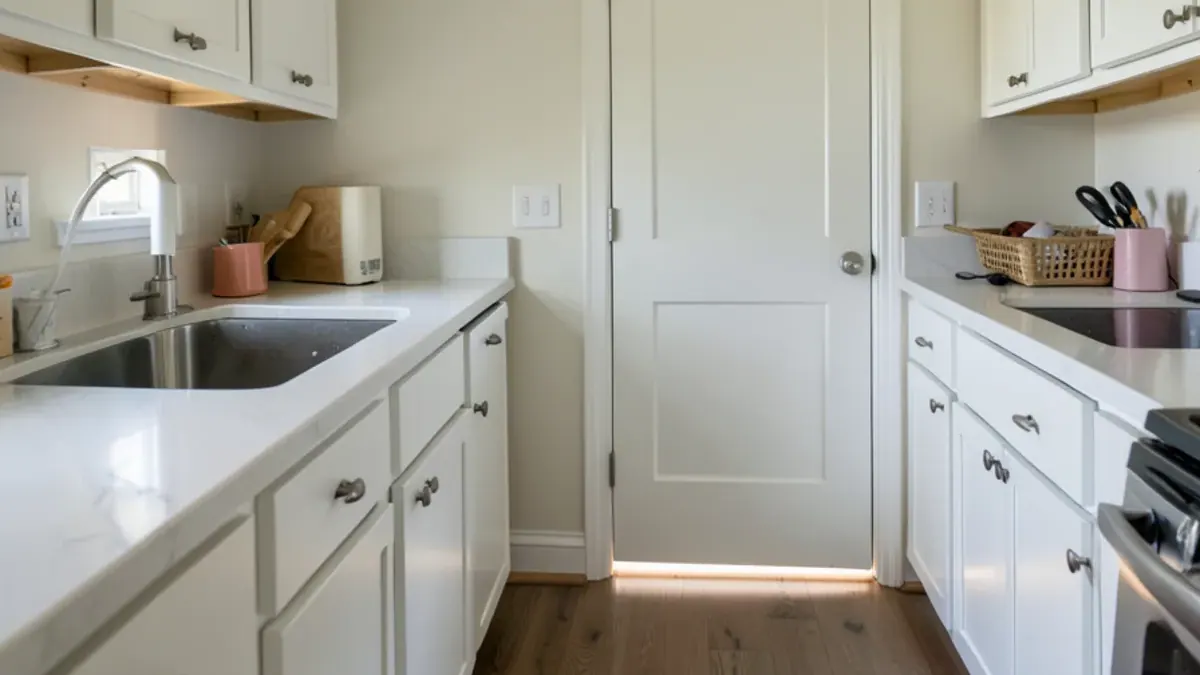
Why do clean homes get pests? Because pests come looking for shelter, warmth and water, and a gap in the wall or a ride in a suitcase works the same in a spotless house as in a messy one. Cleanliness lowers the food supply, but it does not close the door.
- Serving Columbus since 1990
- 4.5★ from 55 Google reviews
- Owner-run, based on Dunning Rd
- One-time or recurring service
If you are scrubbing counters and still seeing bugs or hearing mice, it is not a character flaw. It is usually a way in, a neighbor or a hitchhiker, and all three can be found.
Is a pest problem a sign of a dirty house?
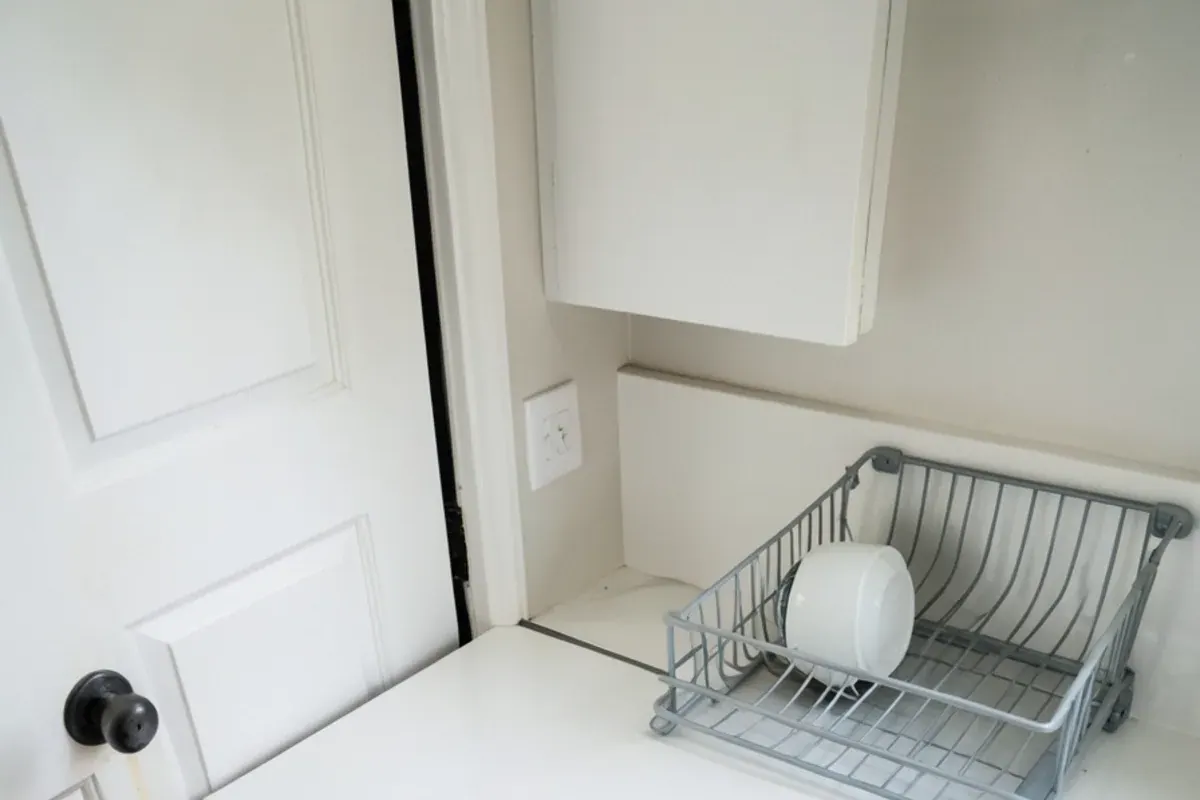
No. Dirt can make a problem bigger, since crumbs and grease feed cockroaches and ants. But pests do not check how clean your kitchen is before they enter. They respond to temperature, moisture, hiding places and access.
Bed bugs are the clearest case. They feed on blood and are not drawn to dirt, which is why they turn up in tidy homes, hotels and apartments alike. Mice in the cold months look for a warm cavity, and a quiet wall void is as good as it gets, however clean the kitchen.
Cleaning has not solved it?
Tell us what you are seeing and where. We will look for the way in rather than blame your housekeeping.
- Serving Columbus since 1990
- 4.5★ from 55 Google reviews
- Owner-run, based on Dunning Rd
- One-time or recurring service
How do pests get into a clean home?
Most entries are small and boring. Look for these first:
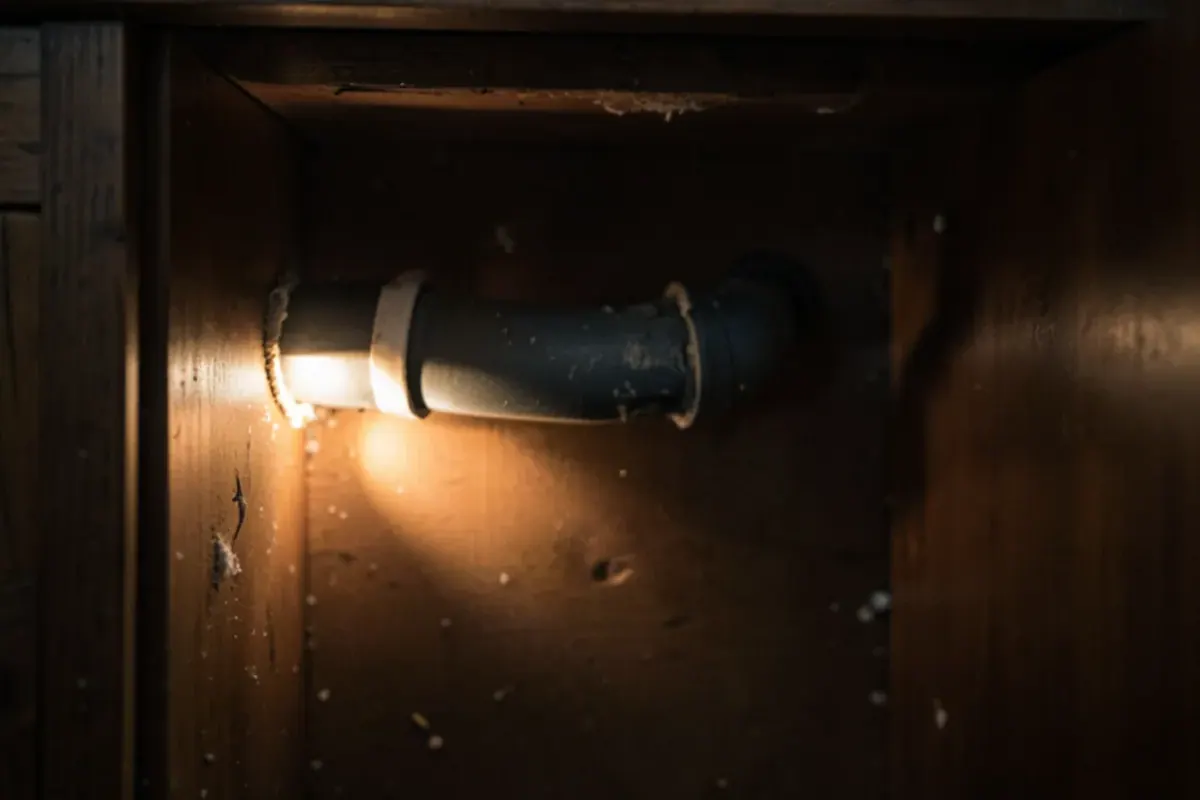
- Gaps around pipes and utility lines. Openings where plumbing, gas or cable enter the house are common. Columbus Health Code §221.03, as Columbus Public Health cites it, calls for sealing any opening of half an inch or more within 48 inches of ground level.
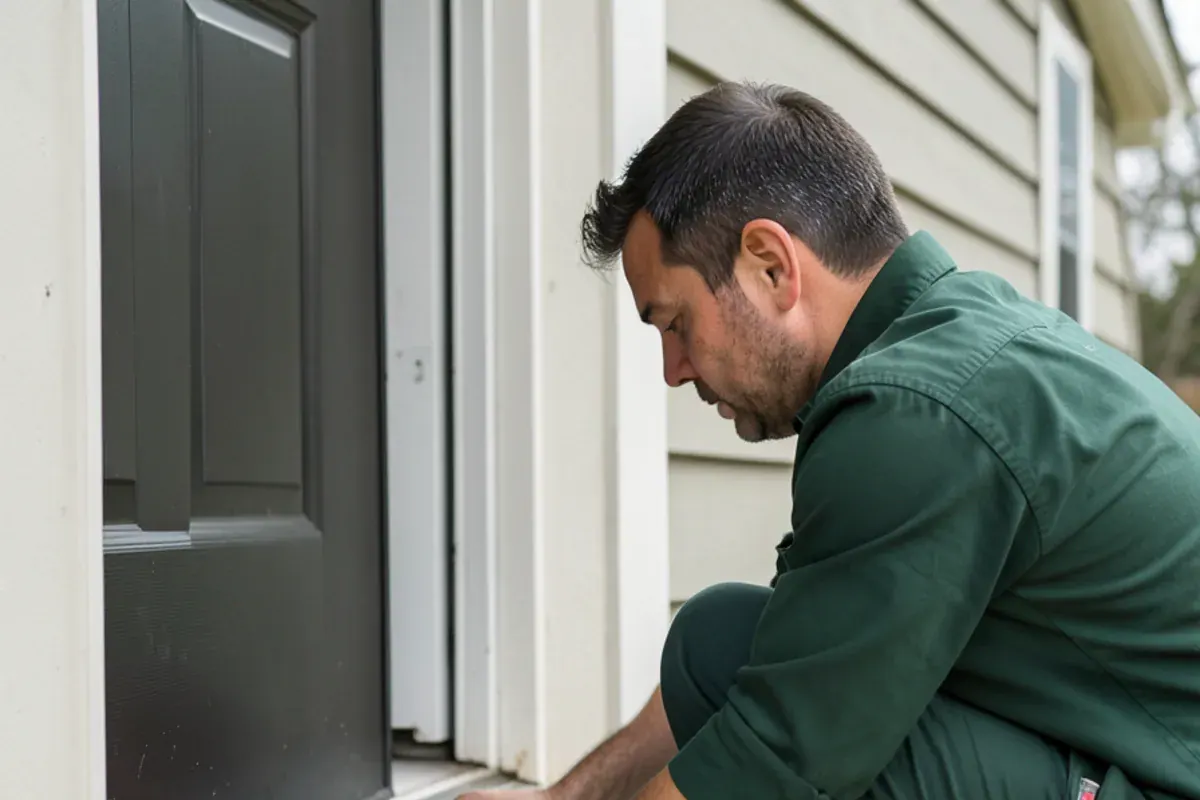
- Door and window edges. A worn sweep or cracked weatherstripping leaves a path for ants, spiders and mice.
- Garage and foundation. Garage doors that do not meet the floor and cracks in masonry are quiet highways.
- Vents, chimneys and the roofline. Unscreened openings let insects and rodents reach the attic.
- Deliveries and secondhand items. Cardboard, used furniture and luggage can carry insects in.
What does a seal-up walk-through look like?
Do this on a dry day with a flashlight, starting outside at ground level:
- Walk the foundation and look at every spot where a pipe, gas line or cable enters the wall.
- Close each exterior door and look for daylight under it or at the corners.
- Check window frames, the chimney base and the fascia board under the roofline for cracks.
- Look at the garage door seal and the garage corners where the door meets the floor.
- Inside, open the cabinet under each sink and check the pipe collar.
Ohio State University Extension recommends silicone or silicone-latex caulk for small cracks around doors, windows, chimneys, utility pipes and fascia. Mouse-size gaps need rodent-proof material such as metal mesh, since mice chew through foam. In older communities such as Bexley, where the median home was built in 1944 (ACS 2019-23), settling alone opens gaps that no amount of scrubbing closes. Our pest exclusion work is the professional version of this walk.
Why do pests move in when it turns cold?
Ohio winters push mice and several insects toward heated buildings. Stink bugs, boxelder bugs and lady beetles squeeze into wall voids to ride out the cold, and mice look for nesting spots near a food source. A home that is warm, dry and sealed poorly will collect them regardless of how it looks inside.
That is why activity often spikes in fall. The same house that had no trouble in July can have a steady stream of visitors by November. A pest inspection in early fall finds the openings before the weather forces the issue.
Can pests hitch a ride into a clean home?
They can, and this is the route people overlook. Bed bugs ride in on luggage, coats and secondhand furniture. Cockroaches arrive in cardboard boxes and grocery bags. Fleas come in on a pet, a visitor's clothes or a used rug.
None of these trips depend on how you keep house. If you travel or buy used, inspect seams and corners before things go into the bedroom, and read about our bed bug control if you already suspect a hitchhiker.
What does a clean home still miss?
Clean does not mean dry, sealed or closed to food. These are the blind spots we find in tidy houses:
- Moisture. A slow leak under a sink or a damp basement draws roaches, silverfish and ants even when the counters shine.
- Pet food and trash. A bowl left out overnight, or a recycling bin with unrinsed cans, feeds ants and roaches that came in through a gap.
- Pantry packages. Flour, rice and pet food in paper or thin plastic let stored-product pests spread. Lidded containers stop that.
- Cardboard storage. Boxes in a basement or garage give roaches and silverfish both food and shelter.
- Outdoor edges. Mulch against the siding, firewood stacked on the wall and branches touching the roof give pests a bridge.
Fixing these is housekeeping, and it does help. But it works alongside sealing, not instead of it.
Can your neighbors cause your pest problem?
Yes, especially in attached housing. Cockroaches, mice and bed bugs travel through shared walls, pipe chases and floors. You can keep your own unit spotless and still get visitors from next door.
In Columbus, the owner of a dwelling with two or more units is responsible for eliminating pests, according to Columbus Public Health. If you rent, tell your landlord in writing. Our residential pest control page covers how we approach multi-unit homes, and a building-wide treatment often beats unit-by-unit chasing.
What actually keeps pests out of a clean home?
Cleaning is the first half. Exclusion is the second. Exclusion means sealing the openings pests use so they cannot get in at all.
| Cleaning and storage | Sealing and inspection | |
|---|---|---|
| What it stops | Food and water sources | Entry and hiding places |
| Helps most with | Ants, cockroaches, pantry insects | Mice, stink bugs, spiders |
| Limits | Does not stop pests that want shelter | Does not remove food that attracts them |
| Who does it | You, weekly | You, or a pest company, seasonally |
Does a clean home need a recurring pest plan?
Often not. If the cause was one gap or one hitchhiker, a single inspection, a treatment and the sealing is the whole job, and a one-time visit fits. Paying for a standing schedule on a house with no repeat pressure is money for nothing.
A recurring plan earns its keep when the pressure is built in: an older home with settling foundations, an attached unit with neighbors you cannot control, or a house beside woods or water. In those cases pests come back because the surroundings send them, not because you missed a spot.
What we say when someone apologizes for their house
People often apologize for the state of their home when we arrive, even when the home is spotless. We tell them the same thing every time. The pest is not a verdict on your housekeeping, and our job is to find how it got in.
A typical visit starts with a slow walk of the outside and the basement, because that is where entries usually hide. We also ask what you have seen, where and when. A pest that appears only at night, only near the dishwasher, or only after rain tells us more than any list of tips.
If the cause is a gap, we say so and quote the sealing. If it is a neighbor, we say that too. We would rather name the real cause than sell you a treatment that ignores it.
Sealing has limits, and we say so. Caulk cracks around a sill and a house still settles. Foam fails against mice. A seal on your side does nothing about the neighbor's side of a shared wall. That is why we recheck entry points after the first season and tell you which ones need redoing.
Calling us is not always worth it, either. One stink bug on a window in November or a single spider in the basement is normal. Call when you see a pattern: the same pest in the same spot for a week, droppings, bites that keep coming or a trail you can follow.
Related questions
Why do I have ants if my kitchen is spotless?
Ants forage widely, and a single scout can find a damp spot, a pet bowl or a crumb you cannot see. They also nest outdoors or in walls and follow a trail in through a gap. Clean surfaces help, but finding the trail and the entry point is what ends the visits.
Do bed bugs only live in dirty places?
No. Bed bugs feed on blood and travel on luggage, clothing and secondhand furniture, so they show up in clean homes and hotels as readily as messy ones. Clutter gives them more hiding spots and makes treatment harder, but tidiness does not prevent them. Prompt inspection is the better response.
How can I tell if mice are using a gap in my house?
Look for droppings, grease smears along baseboards, gnawed packaging and scratching sounds at night. Check where pipes enter and along the garage and foundation, since mice use small openings. If you find signs, call before the problem spreads; sealing the entry point is what keeps them from coming back.
Do stink bugs come into clean houses too?
Yes. Brown marmorated stink bugs move into buildings in fall to ride out the winter, and tidy houses with cracks suit them as well as any other. Ohio State University Extension advises sealing cracks around doors, windows, chimneys, utility pipes and fascia, and removing window air conditioners, whose narrow vents attract them.
If my unit is spotless, whose job is a pest problem?
In Columbus, the owner of a dwelling with two or more units is responsible for eliminating pests, according to Columbus Public Health. Send the landlord written notice, with dated photos of what you found and when you first saw it. Housekeeping does not change that duty, and a spotless unit makes the notice stronger.
If you keep a clean home and still see pests, the fix is usually an entry point, not more scrubbing. Call (209) 563-1650 and tell us what you are seeing. You can read more about pest control in Columbus and our residential pest control, and we serve homes across Columbus.
Sources
- Columbus Public Health, Columbus Health Code §221.03 on rodent and insect control
- U.S. EPA, Bed Bugs overview
- Ohio State University Extension, brown marmorated stink bug guidance (fall entry, caulk, window air conditioners)
- U.S. Census Bureau, American Community Survey 2019-23, Bexley median year built
Questions about this? Call the shop.
Tell us what you are seeing and we will tell you what happens next.
- Serving Columbus since 1990
- 4.5★ from 55 Google reviews
- Owner-run, based on Dunning Rd
- One-time or recurring service
Boydes Exterminating Co, 1967 Dunning Rd, Columbus, OH 43219