
Bed Bug Control
Bed Bug Heat vs Aprehend vs Spray: Which Fits Your Home?
Choosing between bed bug heat and chemical treatment comes down to your building and your prep, not to which method sounds strongest. Heat suits contained spaces and fast timelines, Aprehend suits people who can follow its protocol, and residual sprays suit larger or spread-out problems.
- Serving Columbus since 1990
- 4.5★ from 55 Google reviews
- Owner-run, based on Dunning Rd
- One-time or recurring service
We have used all three in Columbus over the years, so this is how we weigh them. The right answer for a detached house in Dublin is often the wrong one for a third-floor apartment off Broad Street.
How do the three bed bug treatments work?
Each method kills bed bugs a different way, which is why each one has different strengths.
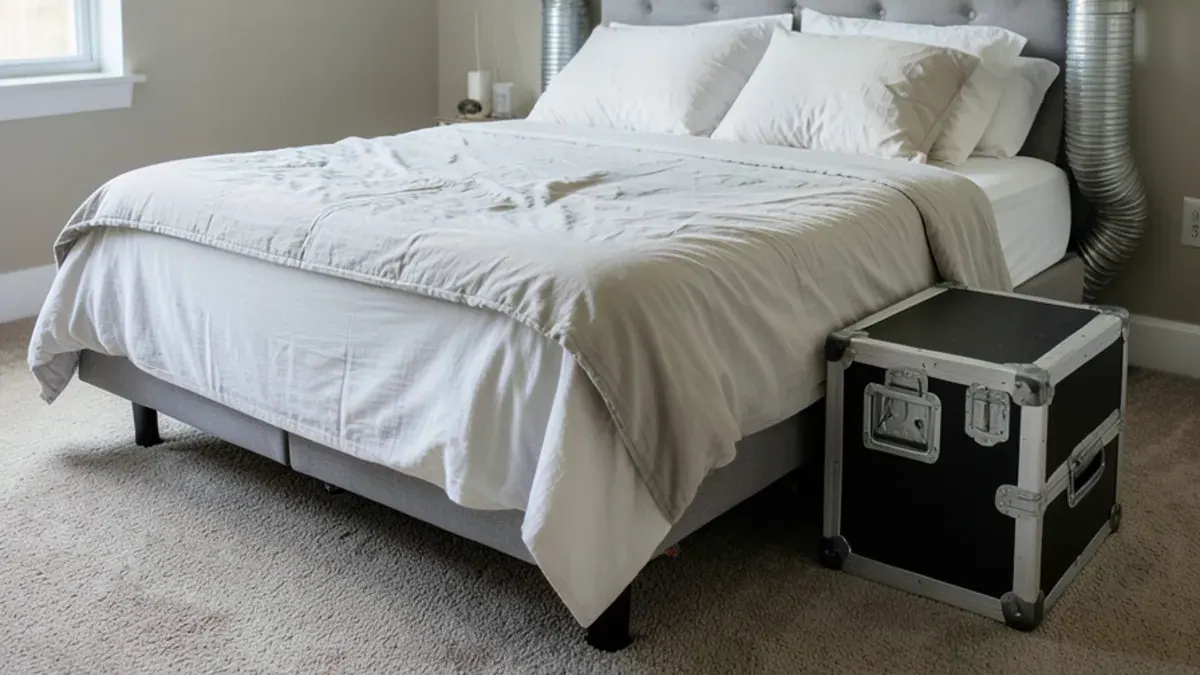
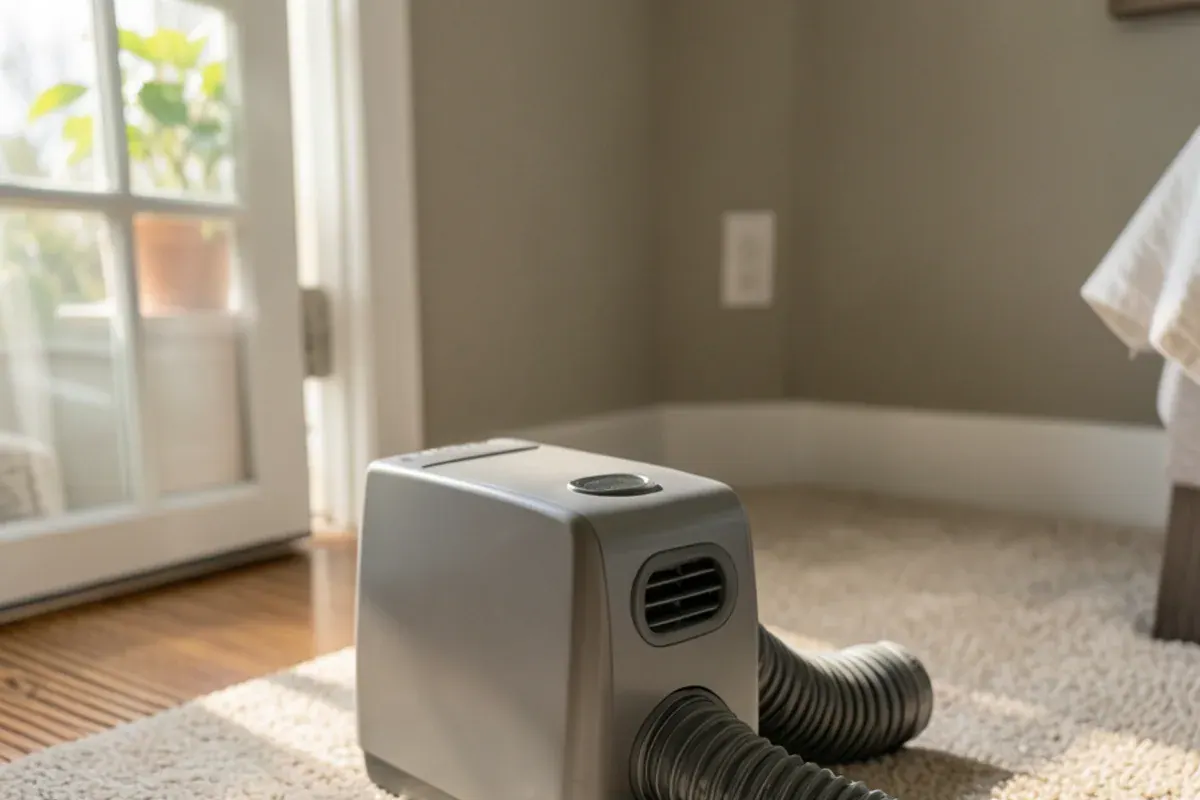
- Heat raises room temperature until bugs and eggs die. It reaches the eggs that sprays can struggle with, and it leaves nothing behind.
- Aprehend is a fungal biopesticide sprayed as a barrier strip. Bed bugs walk across it, pick up spores and carry them home to the hiding spot.
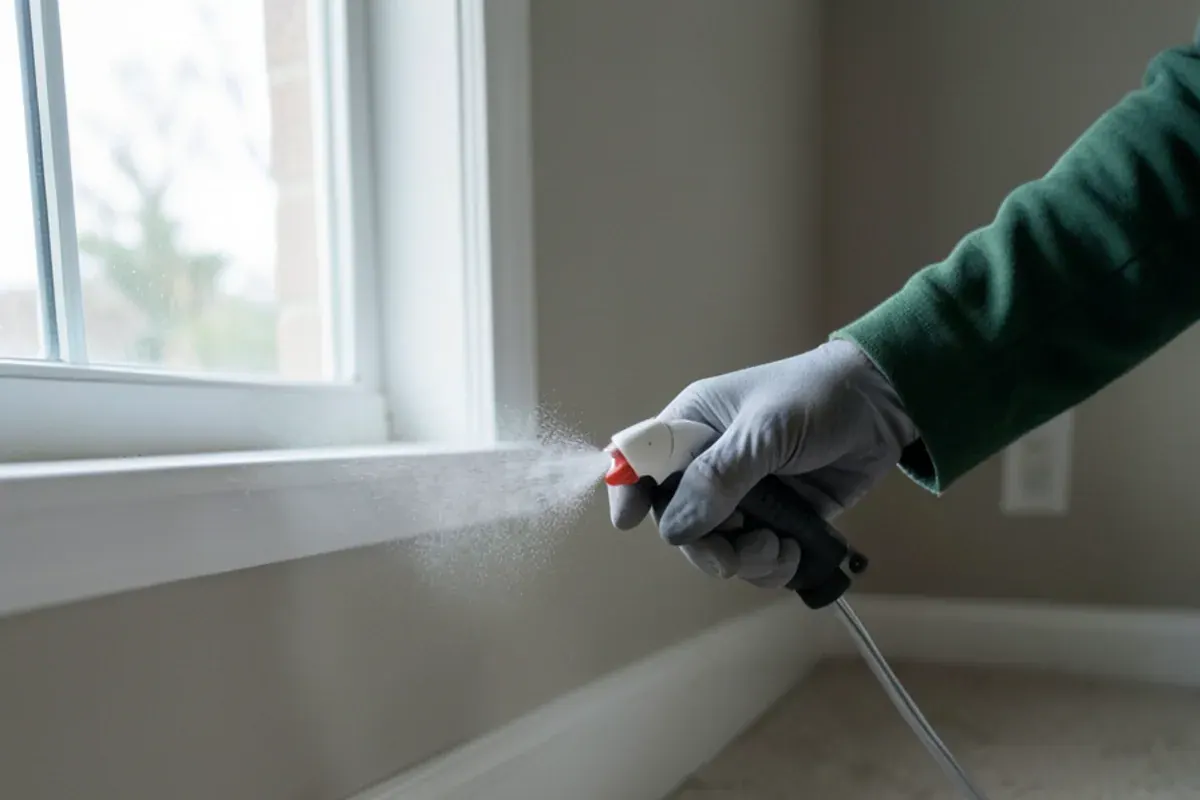
- Residual treatment uses labeled insecticides in cracks, seams and voids. It keeps working on bugs that contact treated areas between visits.
How long does each method take to kill?
Heat kills while the room is hot, so the result is immediate for every bug it reaches. Aprehend is slower. A bug that crosses the barrier picks up spores and dies over several days, and a Penn State study of insecticide-resistant bed bugs found a median survival of 4 days after contact. Residual products kill on contact with a treated surface, which is why the program runs over weeks.
Resistance matters for sprays. Ohio State University Extension notes that bed bugs have developed resistance to many insecticide classes, and EPA advises considering a different type of pesticide if repeat treatments are needed. A good program does not repeat one product and hope.
Not sure which fits your home?
Tell us about the building and the rooms involved. We will talk it through before you spend anything.
- Serving Columbus since 1990
- 4.5★ from 55 Google reviews
- Owner-run, based on Dunning Rd
- One-time or recurring service
Bed bug heat vs chemical: side by side
| Heat | Aprehend | Residual spray | |
|---|---|---|---|
| Typical course | Usually one concentrated treatment | One application, with possible repeat | Several visits, often 4 to 6 weeks |
| Reaches eggs | Yes | Hatchlings contact the barrier | Follow-ups catch hatchlings |
| Lasting effect | None once the room cools | Barrier lasts as the label states | Yes, per the label |
| Biggest risk | Cool spots where bugs survive | Barrier gets cleaned or disturbed | Skipped follow-ups |
| Prep work | Heat-sensitive items need attention | Has its own specific protocol | Laundry, bagging, clear floors |
| Works best in | Detached homes, contained units | Homes where the protocol can be followed | Larger or spreading infestations |
When does heat make the most sense?
Heat is the most concentrated option. If you need a bedroom back quickly and the space can be contained, heat can do in one day what residual work does over weeks. It is also a fit for people who would rather limit product use in the home, though you should still talk through any health concerns with your doctor.
The weak point is that heat stops working the moment the room cools. A bug that wanders in from the next apartment the following week meets nothing. That is why heat alone can disappoint in shared buildings, and why our bed bug heat treatment conversations always start with what is next door.
When does Aprehend make the most sense?
Aprehend works best in a home where the barrier can stay put. It depends on bugs walking across treated strips, so it does not want heavy cleaning or fresh paint over those lines during the period the label sets. Its prep also runs differently from traditional spray prep, so the old advice to bag everything does not always apply.
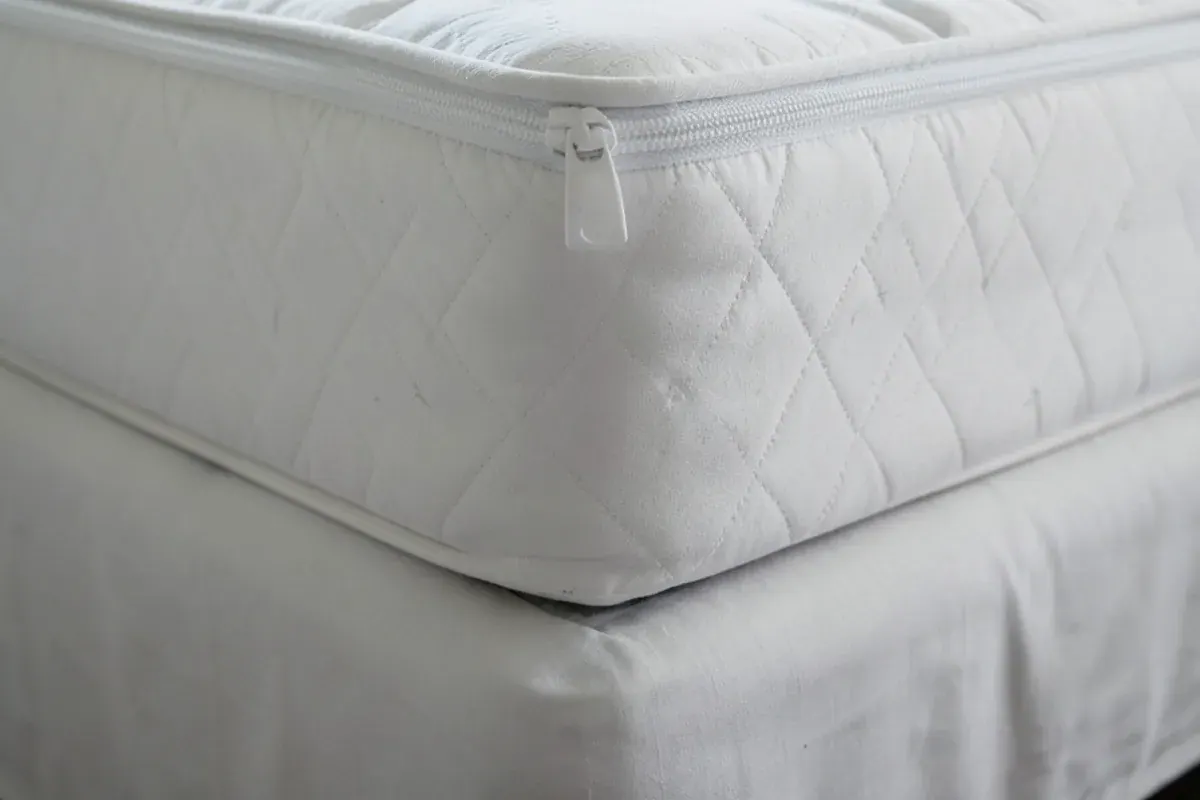
Our Aprehend bed bug treatment page explains that protocol. If you already have a mattress full of store-bought spray residue, tell us, since that can affect the choice.
When does a residual spray program make the most sense?
Residual work is the old reliable, and it is the most flexible about scale. It reaches into voids, outlets and furniture seams, and it fits budgets that cannot absorb one large bill. The price of that flexibility is time. You need to stick with every follow-up, because bed bug eggs do not all hatch on the first day.
Many jobs use a mix. A heavy bedroom may get concentrated work while the rest of the unit gets residual attention. That is a normal outcome of a bed bug inspection, and it is why we dislike recommending anything sight unseen.
How do you choose between heat, Aprehend and spray?
Work through these five questions in order. The first honest answer usually points to a method:
- Is the home detached or a contained unit, or does it share walls? Shared walls favor a residual program or a mix, because heat leaves no barrier behind. In a rental double in Whitehall, that matters.
- How many rooms show evidence? One bedroom suits heat. Three or more rooms point to residual work, with heat used in the worst room.
- Can you do the prep, or do you need help? Heat and residual work both need clear floors and bagged laundry. If you cannot lift a mattress, ask about a preparation service first.
- Can the surfaces stay untouched? Aprehend needs undisturbed strips, and a study from the University of Kentucky found lower mortality on unfinished pine and painted drywall. Heavy cleaning rules it out.
- What does the calendar allow? A bedroom needed by Friday points to heat. A budget spread over several visits points to residual work.
For multi-unit buildings, see our page on apartment bed bug treatment, where the neighbors drive the plan.
What can go wrong with each treatment?
Every method has a way of failing, and knowing it helps you ask better questions before you pay for anything.
- Heat: cool spots. Bugs survive inside dense clutter, against exterior walls and in items that never reach temperature, so furniture spacing and monitoring matter.
- Aprehend: a disturbed barrier. Mopping, steam cleaning or moving furniture across treated strips cuts down the contact bugs need to pick up spores.
- Residual spray: a missed follow-up. Stop after one visit and the eggs that hatched afterward are free to start over.
- All three: moving your belongings to another room before treatment. That carries bugs with you and turns one room into three.
Foggers deserve their own warning. They rarely reach seams and voids, and they can drive bed bugs deeper. If you have already used one or sprayed from a can, mention it when you call. It changes what we look for, and our post on why bed bugs keep coming back explains why.
How do you know the treatment worked?
Check on a schedule, not by feel. EPA advises looking every few days after the first cleanup, at least every 7 days in case eggs remain, and emptying interceptor traps (cups under bed legs that catch climbing bugs) weekly. It also advises continuing to check for at least a year. A quiet week after treatment is a good sign, not a result.
Can you use a heater or a fogger yourself?
You can handle belongings, not rooms. A clothes dryer on high heat is the do-it-yourself tool that works, and Ohio State University Extension lists 130 degrees Fahrenheit for 30 minutes. A room is different. EPA says raising indoor temperature with a thermostat, propane heater or fireplace does not work and is dangerous.
Foggers are the other trap. EPA says to use them only with extreme care and only when bed bugs are on the label, and never as the only method. The spray does not reach the cracks where bugs hide.
How we think about it at the shop
We have worked on bed bugs in Columbus for a long time, and the method has rarely been the reason a job failed. Prep and follow-through are. A well-prepared home with an honest residual program beats a badly prepared one with the newest equipment.
So our first questions are about the building, the neighbors and what you can physically do before the visit. If you cannot lift a mattress or bag a closet, say so. We can talk about a preparation service rather than pretend it will get done.
Be wary of anyone who names a method before asking questions. A phone call can narrow things down, but the room usually has the last word. We would rather look first and recommend once.
Here is where each method is not worth it. Heat is a poor buy in a building where the neighbors are untreated, because the room is empty of bugs on Friday and open to them by the next week. Aprehend is a poor fit for a home that is mopped constantly or about to be repainted. Residual work is the wrong plan for someone who will not be home for follow-ups.
Calling us is also not always worth it. If you found one bug on a suitcase after a trip and nothing at home, wash and dry the contents on high heat and check the bed weekly. Call when you find a second bug, fresh spots on a seam or bites that keep coming.
Related questions
Is heat better than spraying for bed bugs?
Not always. Heat is faster and handles eggs at once, but it leaves no lasting protection, which matters in a shared building. Residual spraying takes longer but keeps working between visits. The better pick depends on the size of the problem, the building and what you can prepare.
Can I combine bed bug treatments?
Yes, and it is common. A concentrated treatment in the worst room can be paired with residual or barrier work elsewhere. The label for each product still applies, and order matters, so this should be planned by whoever is doing the work, not improvised with store-bought cans between visits.
Which bed bug treatment is cheapest?
Upfront, residual work is usually the most spread out, with cost divided across several visits, while heat comes as one larger bill. The real number depends on rooms, clutter and how far the bugs have traveled. Our bed bug treatment cost guide explains what moves the price.
How long does Aprehend take to work?
Bugs that pick up the spores die over several days, not at once. Product summaries give 4 to 10 days, and a Penn State study of insecticide-resistant bed bugs found a median survival of 4 days. That is why Aprehend is paired with monitoring and why undisturbed strips matter for the period the label sets.
Can a space heater get rid of bed bugs?
No. EPA says raising indoor temperature with a thermostat, propane heater or fireplace does not work and is dangerous. Professional heat uses equipment that moves hot air through the room, with probes placed in several spots to find cold areas. In Ohio, a company applying products for hire also needs an ODA Pesticide Business License.
If you are weighing these options, start with a look at the rooms. Read our bed bug control overview, or call (209) 563-1650 and tell us about your building. We serve all of Columbus and we will give you a straight read on which method fits.
Sources
- U.S. EPA, Bed Bugs: Do-it-Yourself Bed Bug Control
- Ohio Department of Health, bed bug guidance
- Ohio State University Extension, Bed Bug Threat fact sheet (resistance, dryer 130 degrees for 30 minutes)
- Penn State, Susceptibility of insecticide-resistant bed bugs to a fungal biopesticide (median survival 4 days)
- University of Kentucky, Effects of surface type and distance traveled on the efficacy of a fungal biopesticide against bed bugs
Questions about this? Call the shop.
Tell us what you are seeing and we will tell you what happens next.
- Serving Columbus since 1990
- 4.5★ from 55 Google reviews
- Owner-run, based on Dunning Rd
- One-time or recurring service
Boydes Exterminating Co, 1967 Dunning Rd, Columbus, OH 43219