
Boydes Exterminating Co
Bed Bug Heat Treatment in Columbus, OH
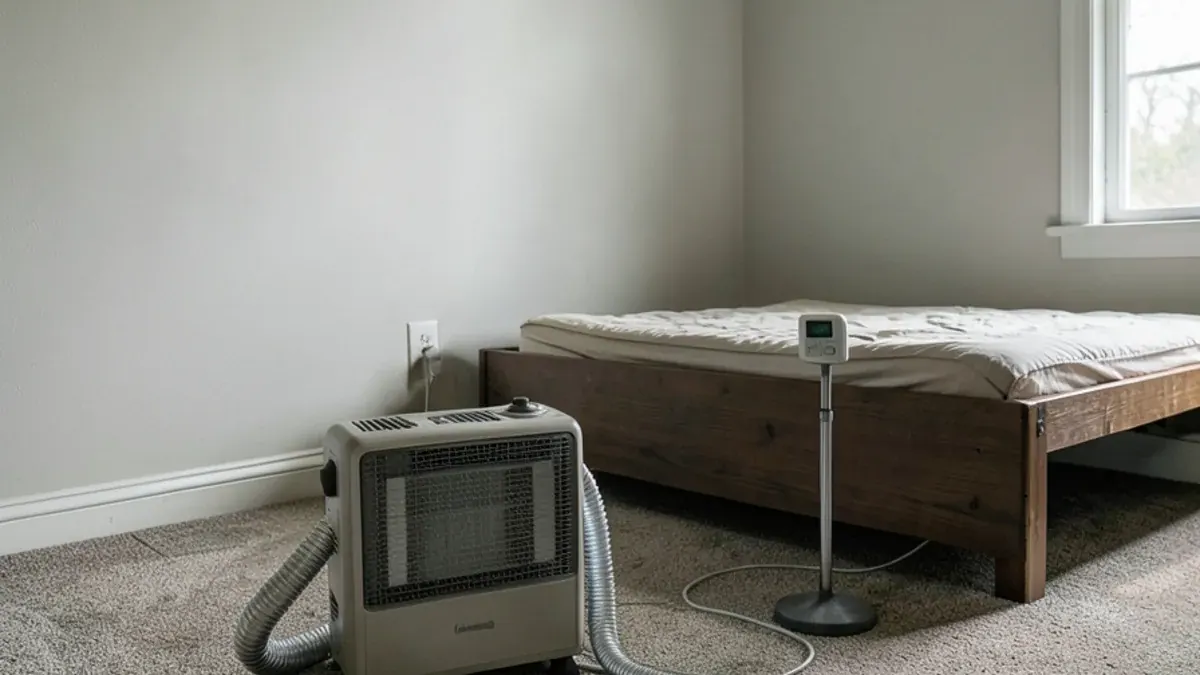
Bed bug heat treatment in Columbus, OH uses temperature, not a product, to kill bugs and eggs in a single concentrated visit. Boydes Exterminating Co offers Heat Assault, a heating system that reaches 140 degrees and higher, as one of several options under our bed bug control in Columbus service.
- Serving Columbus since 1990
- 4.5★ from 55 Google reviews
- Owner-run, based on Dunning Rd
- One-time or recurring service
Heat is not right for every building, and the honest first step is a look at your rooms. Ask us which methods are available for your job and we will tell you whether heat, another approach or a mix fits what you have.
How does heat treatment for bed bugs in Columbus work?
Bed bugs and their eggs die when they are held at high enough temperatures for long enough. Extension and EPA guidance put that threshold around 120 degrees Fahrenheit, and the exact figure depends on how long the exposure lasts. A heat treatment pushes the air in a room well past that point so the cooler pockets still get there.
Heat Assault is the system we name for this work. It reaches 140 degrees and higher, and the goal is never the number on the heater. The goal is lethal temperature in the coolest spot in the room, such as inside a mattress, behind a headboard or along an exterior wall.
Heat kills with temperature rather than a product. Whether a targeted product is added afterward depends on the job. We ask about allergies, asthma, infants and pets at every visit and plan around them.
How hot, and for how long, do bed bugs and eggs need?
A 2011 study in the journal Insects by Kells and Goblirsch measured it. Adult bed bugs reached 99 percent mortality at about 119 degrees Fahrenheit in a short trial, while eggs needed about 131 degrees. At a gentler 113 degrees, adults took roughly 95 minutes to reach the same result and eggs survived for seven hours.
That is why a heat job is judged by time at temperature, not by the first reading. Eggs are the hardest stage to kill, so the probes in the slowest spots decide when the room can come down.
Which homes suit whole home bed bug heat?
Heat suits spaces that can be contained and cleared. A detached house, a single apartment with a cooperative building, or a few bedrooms with a clear problem are all candidates. It is also a fit when you cannot face weeks of follow-up visits and want the main kill done in one sitting.
It is a weaker fit when bugs are likely to walk in from next door afterward, or when the home is packed floor to ceiling. Dense clutter blocks airflow and shelters bugs from the heat. Those jobs often do better with residual work, and the trade-offs are laid out in heat, Aprehend and spray compared.
- Good fit: houses, single units, hotel rooms and a few rooms that can be sealed off
- Needs a plan: shared walls, heavy clutter and anything that cannot take heat
- Often better with another method: a spread-out infestation in a building where neighbors are untreated
Wondering if heat fits your rooms?
Describe the layout and what is in it. We will tell you which methods are available for your job.
- Serving Columbus since 1990
- 4.5★ from 55 Google reviews
- Owner-run, based on Dunning Rd
- One-time or recurring service
Prefer to write it down?
Calling is fastest. The form comes to the same desk, and we call you back during business hours.
Call (209) 563-1650What do I remove or protect before a bed bug heater service?
Heat prep is different from spray prep. Bagging every sock is not the main job here. The job is to get heat-sensitive items out of the building and to open the room so air can move. The full checklist for your method comes from us, and our bed bug preparation guide covers the general habits.
These items commonly come out of the heated space or need special handling:
- Pressurized cans, lighters, candles and anything wax-based
- Medications, cosmetics and chocolate or other food that melts
- Vinyl records, photographs, musical instruments and artwork
- Houseplants, pets and fish tanks, which should not be in the home during heat
- Items with delicate finishes or glues, including some laminate furniture
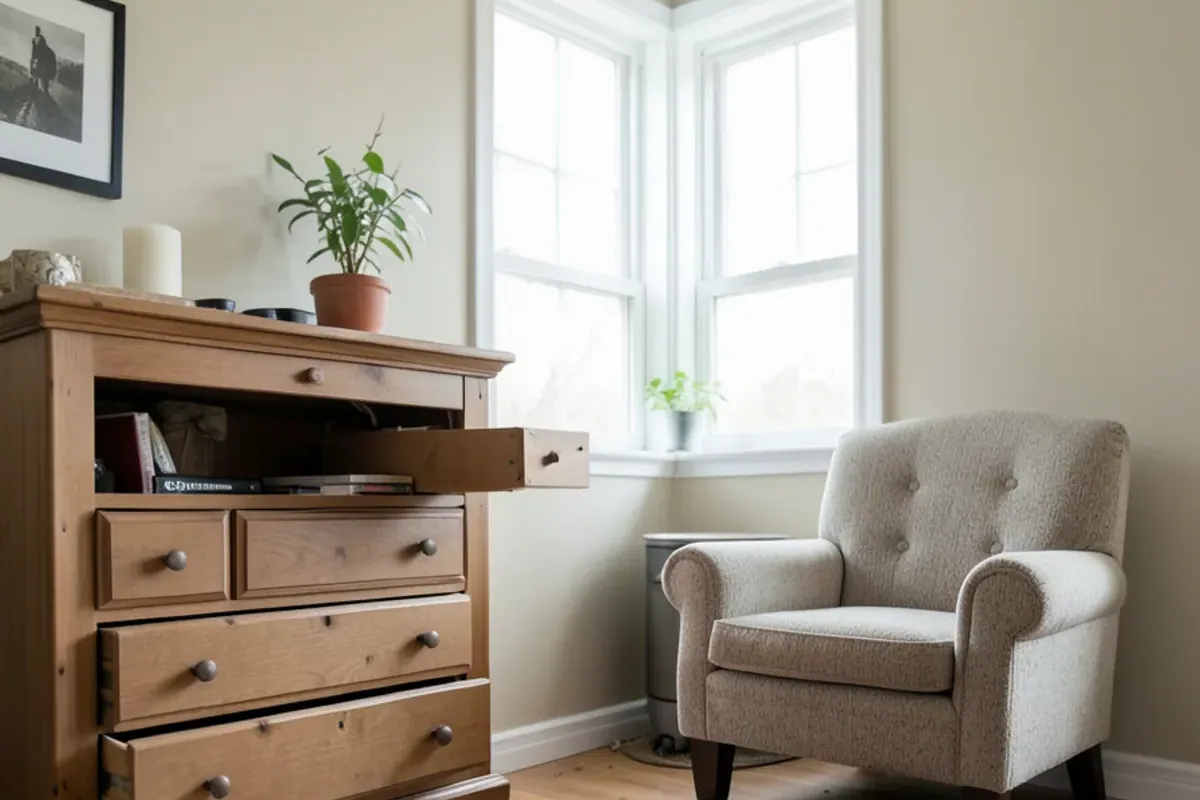
Furniture gets pulled a few inches from the walls, drawers and closet doors are opened, and floors are cleared. In some buildings, smoke detectors and sprinkler heads must be discussed with building management ahead of time, so tell us if yours has them.
What does a bed bug heat treatment visit look like, step by step?
- We look before we planWe check beds, furniture and the rooms next to them to confirm that heat fits the job. If it does not, we say so.
- You finish the heat prepYou remove the heat-sensitive items from our list, clear floors and arrange for pets and people to be elsewhere.
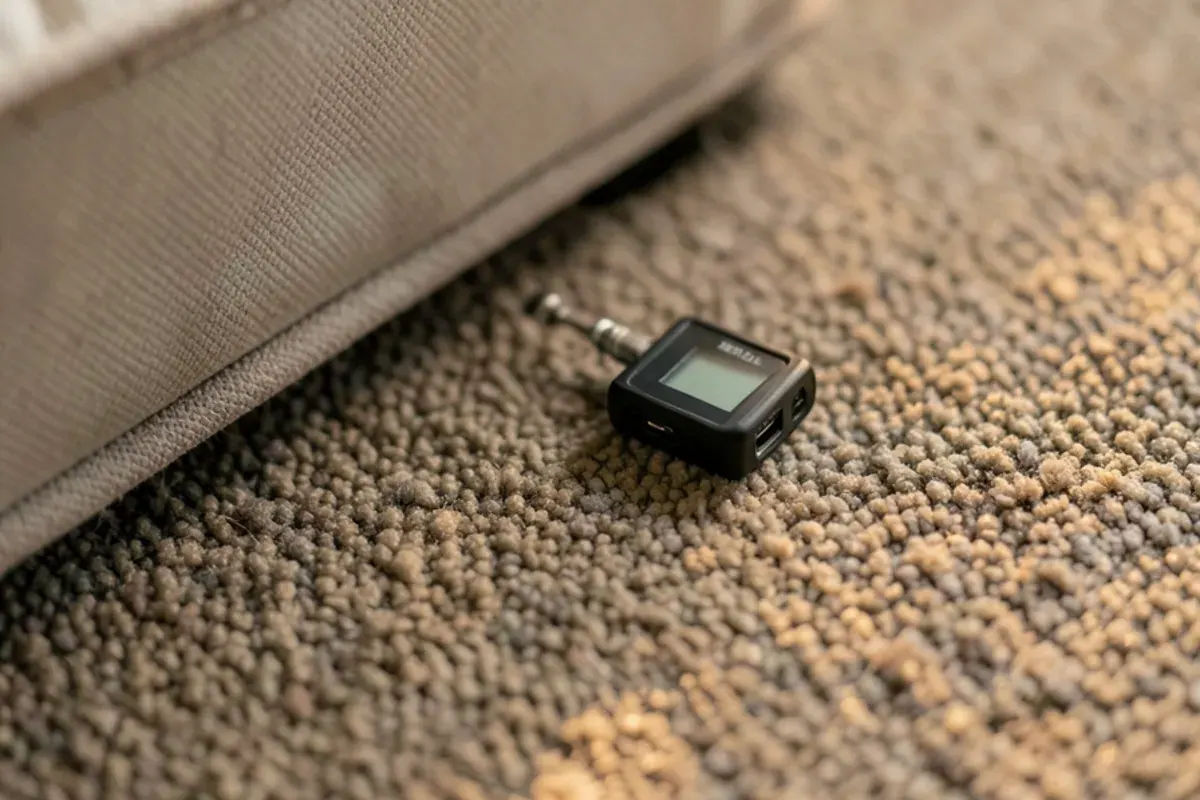
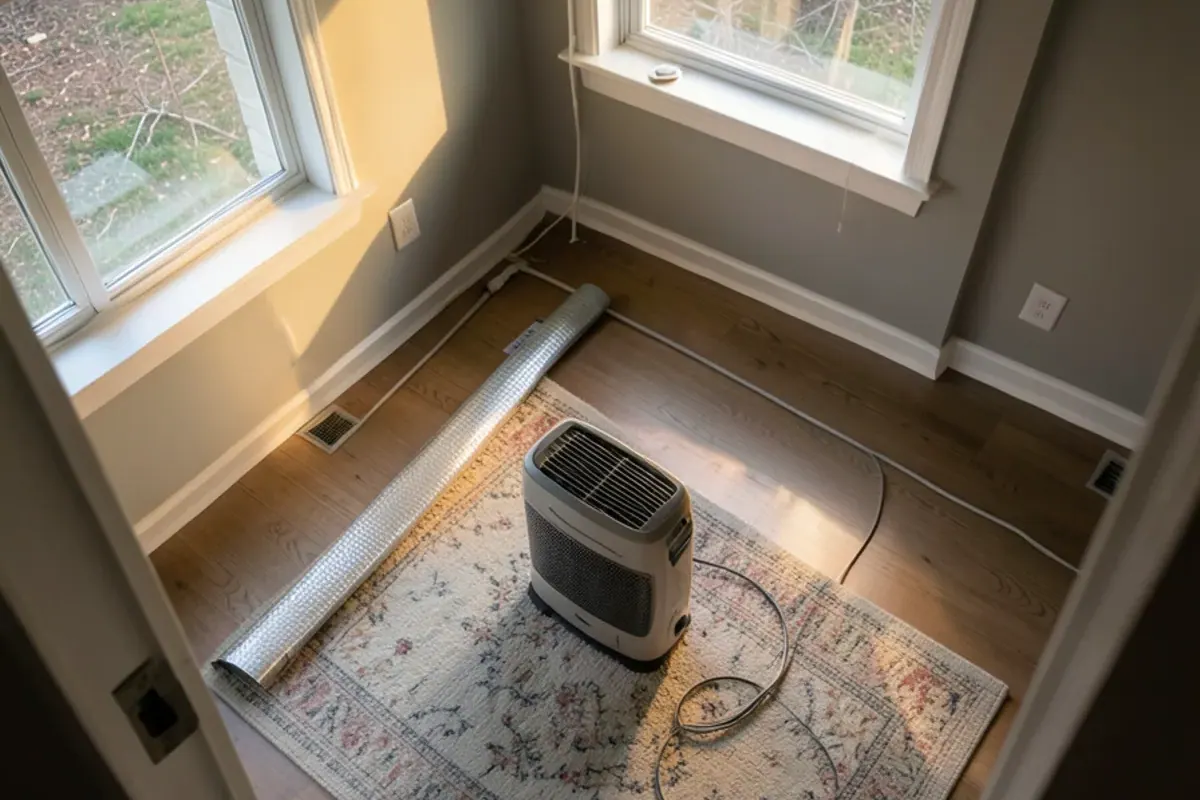
- We set up the equipmentHeaters and air movers go into the rooms, with temperature sensors placed in the spots that heat slowest.
- The room is brought up and heldTemperatures are raised and held until the cold spots have stayed hot long enough, not just until the air feels hot.
- We tell you when you can returnRooms need time to cool. You get a re-entry time and what to do with your belongings, plus whether a follow-up check makes sense.
What happens after the heat comes off?
Heat leaves no lasting barrier once the room cools. A bug that arrives the following week from a neighbor's unit or a suitcase meets a normal room again. That is why we talk about next-door units before a heat job and why we suggest encasements on beds afterward.
Keeping new bugs out after the room cools
Ohio State University Extension recommends bed bug-proof encasements on the mattress and box spring and leaving them on for at least a year. It also suggests interceptor cups under the legs of beds and upholstered chairs, which catch bugs climbing up or down. After heat, both give you a way to see whether anything new has arrived.
Wash and dry travel clothes on high heat when you get home, and keep luggage off beds and carpet. These habits matter most in a heat-treated room, since it has no residual barrier.
Some jobs finish in one visit. Others get a follow-up inspection or a targeted treatment where a cool spot may have survived. If you see live bugs in the weeks afterward, call us and do not spray the room yourself. Plenty of customers mention same-day visits, but whether we can come out quickly depends on the schedule.
What decides the cost of a one day bed bug treatment?
The size of the space and how far the bugs have spread set the heat quote, and you hear it first. There is no flat rate, because a bedroom and a three-level house take very different amounts of equipment and time.
- Number of rooms and total square footage to be heated
- How much clutter is in the way of airflow
- Whether the building is shared and neighboring units are involved
- How many items need to be moved out or protected
- Whether you want help with prep from our preparation service
Our bed bug treatment cost guide walks through what drives the numbers across methods.
Heat vs chemical bed bugs: when do we steer you somewhere else?
We will point you away from heat when the space cannot be contained, when the home holds too many heat-sensitive belongings or when the infestation is spread through several units. In those cases, a residual course or Aprehend may fit better. For shared-wall buildings, apartment bed bug treatment covers the extra steps.
Inspection decides most of this. If you are unsure, a bed bug inspection tells us which rooms are involved before you commit to any method.
Heat jobs in Ohio: when the ODA business license rule applies
Heat itself is not a pesticide, but many heat jobs add one. A targeted residual product along baseboards or a bed frame is a common finish once the room cools. Ohio requires any company that applies pesticides for hire to hold an ODA Pesticide Business License, and ODA's public business search lets you check before you book. Ask whether a product will be used, and which one.
Ask how temperature is verified, because eggs need about 12 degrees more heat than adults. If you rent a building with two or more units, Columbus Health Code makes the owner responsible for eliminating pests, so tell your landlord before heat equipment comes in.
Why Boydes Exterminating for this work
We work with a heating system that reaches 140 degrees and higher, so heat is a real option and not a referral to someone else.
Heat sits beside Aprehend and residual treatment in our plans, and we tell you when another method suits the building better.
Allergies, infants and pets are asked about at every visit, and heat jobs have more to arrange than most.
Heat quotes follow the rooms and the spread of the bugs, and you hear the number before we start. Reviewers call the pricing fair, with no surprise charges at the end.
Our Dunning Rd shop has served the east side since 1990, and Robert J. Boyde Jr. answers for every heat job. Payment is by cash, check, debit or credit, and 55 Google reviews average 4.5 stars.
Where we do this work
- Columbus About 56% of Columbus homes are rented, so heat plans often hinge on whether neighboring units are treated.
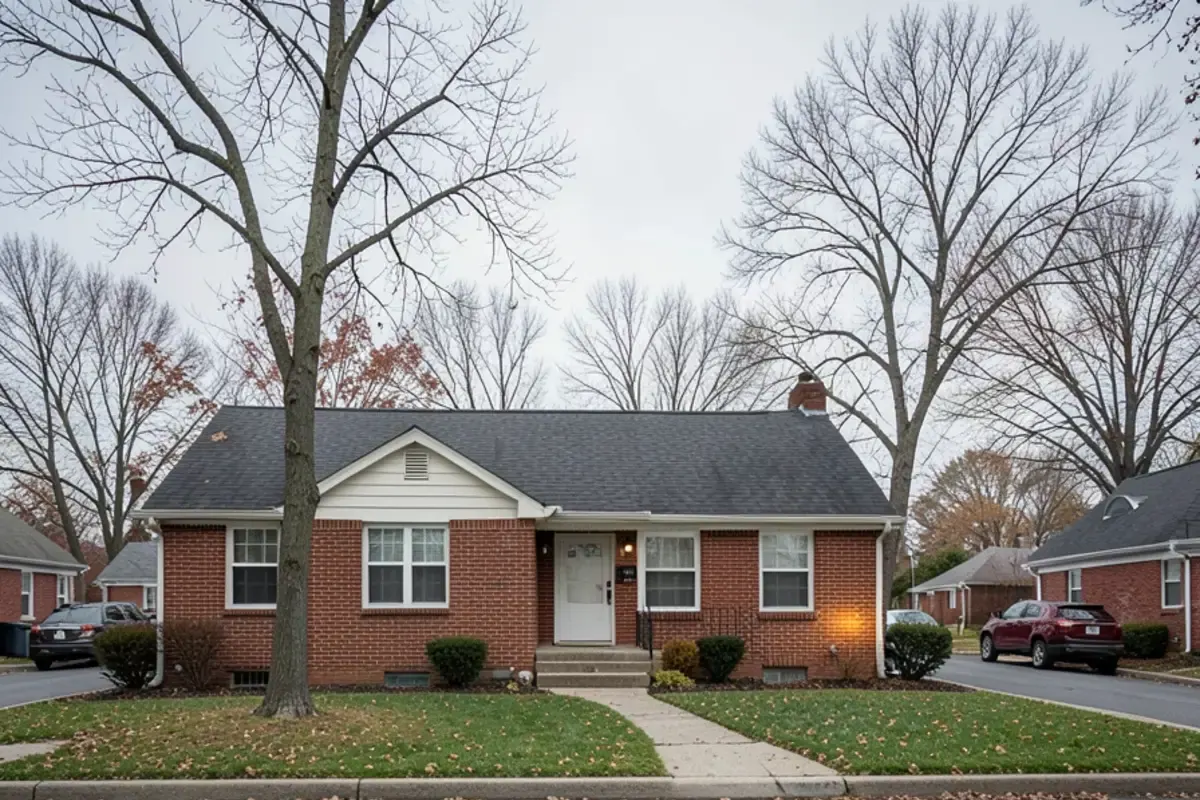
- Bexley The median Bexley home dates to 1944 and only 22% are rented, so many jobs are single-family brick houses suited to heat.
- Upper Arlington A planned suburb begun in 1913 with a median build year of 1959 and 21% rented, mostly single-family houses.
- Worthington Only 17% of homes are rented and the median build year is 1963, giving detached houses that can be contained.
- Gahanna The median home was built in 1985 and 31% are rented, a mix of houses and apartments along Big Walnut Creek.
- Reynoldsburg About 39% of homes are rented, so heat on a house works best once neighboring apartments are considered.
- Westerville Otterbein University brings student moves, and with 26% rented, heat suits single houses more than shared buildings.
- Whitehall With 61% rented and a median build year of 1961, heat fits stand-alone houses more than shared-wall units.
- Blacklick Estates The median home dates to 1966 and 27% are rented, mostly single-family houses that can be sealed off for heat.
- Pickerington The median home was built in 2002 and 21% are rented, so newer detached houses are a good fit for whole-home heat.
We schedule heat treatments across the east side and beyond, including Bexley at about 9 minutes from our Dunning Rd shop, Gahanna and Reynoldsburg, as well as Columbus proper. Farther suburbs are on the list in our full set of service areas.
Bed Bug Heat Treatment: common questions
What temperature kills bed bugs and their eggs?
Sustained heat around 120 degrees Fahrenheit and above kills bed bugs at every life stage, eggs included, when it lasts long enough. Heat Assault reaches 140 degrees and higher so cooler pockets still climb past that mark. What matters is the temperature in the coldest hiding spot, not the setting on the heater.
How long does a heat treatment take?
Many jobs fit into a single visit that runs several hours, with extra time afterward for the room to cool. The size of the space, the clutter and the building all change the schedule. We give you a window and a return time before the day, so you know how long to plan to be away.
Is heat better than a chemical treatment for my home?
It depends on the building. Heat works well in contained spaces and is fast, but it leaves nothing behind once the room cools. Residual and Aprehend treatments keep working for a period. In a house, heat is often a strong option. In a shared-wall building, we weigh next-door risk first.
Can heat damage my belongings?
It can, which is why prep matters. Candles, aerosol cans, wax, medications, vinyl records and some instruments or finishes do not handle high temperatures well and should be removed. We give you a list for your job, and anything you are unsure about should be asked about before heat day.
Do I need to leave the home during heat treatment?
Yes. People and pets should be out of the space while it heats, and you should not return until we give the re-entry time. Plan a place to be for the day. If someone in the home is sensitive to heat or has a medical condition, tell us when you book so we can plan around it.
Will I still need a follow-up after heat?
Sometimes. Heat can finish a contained job in one visit, but a cool spot or a bug carried in from next door can leave a few behind. We may recommend a follow-up inspection or a targeted treatment. If you spot live bugs afterward, call us before trying store-bought sprays.
Sources
- U.S. EPA, Bed Bugs: Do-it-Yourself Bed Bug Control
- Ohio State University Extension, bed bug management guidance
- Kells and Goblirsch, Temperature and Time Requirements for Controlling Bed Bugs, Insects (2011)
- Ohio State University Extension, Bed Bugs fact sheet ENT-0109
- Ohio Department of Agriculture, pesticide business search
What customers say
4.5 stars from 55 Google reviews, checked November 2026. Read more reviews · Leave a review
Mr. Boyde made everything a breeze and put me at ease!
Mr. Boyde’s company is responsive and honest. They answer phone calls, give estimates, and come to your home quickly. Pricing is true to market price with no surprise charges.
Great service. Super dependable. Calls right back. This time he was able to come out same day.
Book a look at your bed bug problem
Call and tell us how many rooms are involved. We will walk through the options and explain cost before any work is done.
- Serving Columbus since 1990
- 4.5★ from 55 Google reviews
- Owner-run, based on Dunning Rd
- One-time or recurring service
Boydes Exterminating Co, 1967 Dunning Rd, Columbus, OH 43219