
Commercial Pest Control
Pest Control Checklist for Columbus Restaurants
A restaurant pest control checklist works because pests reward small lapses: a wet mop left out, a door propped open, a lid that does not seat. The routine below covers the daily, weekly and monthly checks that keep a Columbus kitchen from giving pests a reason to stay.
- Serving Columbus since 1990
- 4.5★ from 55 Google reviews
- Owner-run, based on Dunning Rd
- One-time or recurring service
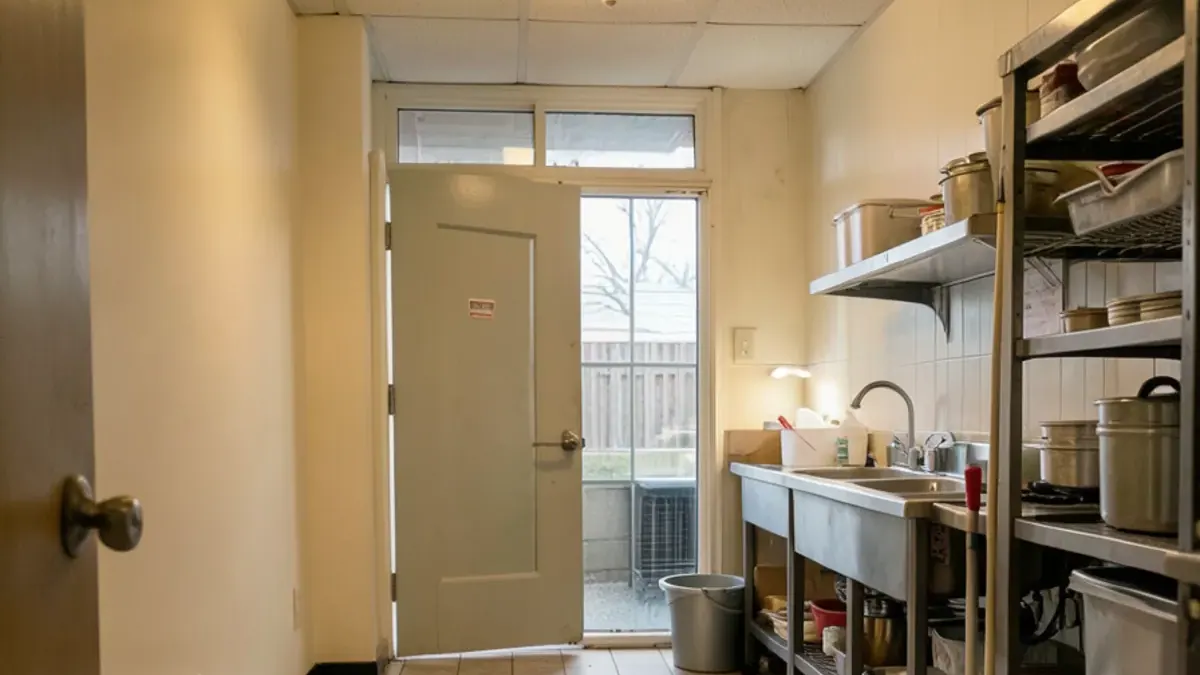
It is built around the places pests actually use, which are the back door, the drains, dry storage, the walk-in and the dumpster pad. Pair it with a regular visit from a pest company and you have a plan an inspector can follow. Our restaurant pest control service fits around it.
What belongs on the daily closing checklist?
Closing is the right moment because the kitchen is empty, the lights are on and anything you leave behind feeds pests overnight.
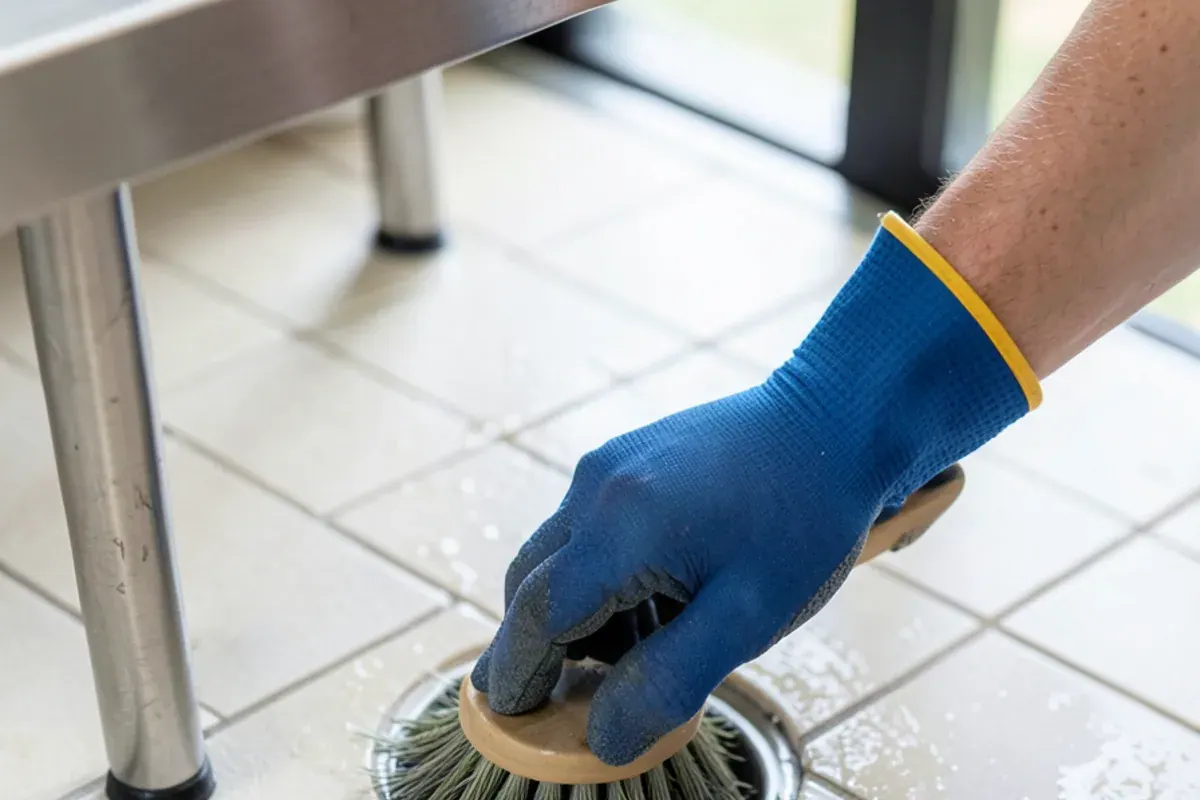
- Scrub and rinse floor drains, including below the grate, and clear the grate of debris.
- Sweep and mop, and take the mop bucket to the mop sink and empty it.
- Wipe down prep tables, slicers, the line and under-counter shelves, where crumbs collect.
- Pull grease and food residue from behind and beneath the fryers and flat top.
- Empty every trash can, wash them if they are soiled and fit new liners.
- Close the lids on bulk food, flour, sugar and rice containers.
- Check that the back door seats against its sweep and latches shut.
Want a checklist built around your kitchen?
Describe your layout and your delivery days. We will tell you which items matter most for your building.
- Serving Columbus since 1990
- 4.5★ from 55 Google reviews
- Owner-run, based on Dunning Rd
- One-time or recurring service
What should you check weekly?
Weekly work catches the things a daily wipe misses. Choose one day and make it routine.
- Pull equipment on wheels, such as lines and racks, and clean the wall and floor behind them.
- Inspect dry storage. Rotate stock first in, first out, check for torn bags and keep everything off the floor.
- Look inside the walk-in for pooled water, damaged gaskets and spills under shelving.
- Check door sweeps and weather stripping on every exterior door for daylight at the base.
- Walk the exterior and look for gaps around pipes, utility lines and the roof edge.
- Review traps or monitors and note any catches before they are cleared.
What goes wrong in dry storage?
Dry storage is where stored product pests such as flour beetles and pantry moths settle, since a torn bag of rice or flour feeds them for months. Look for webbing in corners of bags, small beetles in the dust of a shelf and clumped product. Dump and discard any bag that shows them, then wipe the shelf and its brackets before restocking.
Keep shelving at least a few inches off the wall so the base can be seen and swept. Labeled, lidded bins beat cardboard, which holds moisture and hides egg cases.
Write down what you find and what you did. A one-line entry with a date is worth more than a clean memory. See our post on what to keep in a pest control logbook.
How should you check deliveries at the receiving door?
Deliveries are how many cockroaches and stored product pests get into a clean kitchen. A few seconds at the dock beats weeks of treatment.
- Look at each box corner and flap for live insects, droppings or small tan egg cases.
- Reject or isolate packaging that is chewed, damp or stained.
- Pull products out of cardboard at the door and break the boxes down outside.
- Keep pallets and cases off the floor and away from the wall.
- Close the door between trips so the delivery does not become an open invitation.
Tell the driver and your supplier if you find the same problem twice. A supplier with a pest issue should hear about it, and your notes show when it started.
How do you keep the dumpster pad from feeding pests?
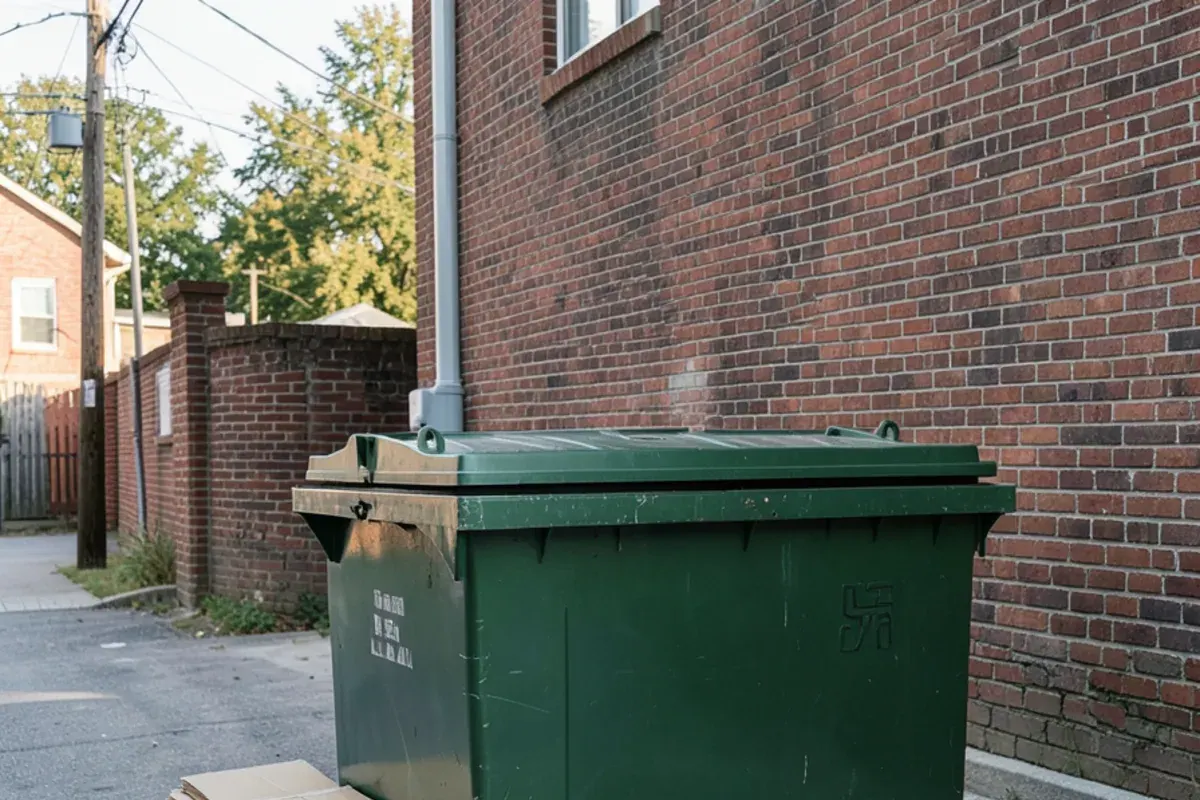
The dumpster pad is the first stop for rats, house flies and cockroaches hitchhiking in on boxes. Columbus ranks No. 15 on Orkin's 2026 list of rattiest cities, so rodent pressure is a local fact rather than a theory.
- Keep dumpster and compactor lids shut, and check that the drain plug is in.
- Place the dumpster away from the back door as far as your lease and the alley permit.
- Hose the pad on a schedule and scrub any grease stain, since grease is a steady food source.
- Store cooking oil and grease bins in sealed containers with the lids on.
- Break down cardboard promptly and keep it off the ground, where it makes a nesting site.
Where do grease traps and drains fit in?
A grease trap is food, water and warmth in a box, which makes it a favorite for flies and roaches. Keep the lid sealed, have it cleaned on its service schedule and wipe up spills around the access point. Drains need the same attention at every closing, not just when the trap is pumped.
If you see flies near a drain, the cup test in our post on stopping a fly problem in a commercial kitchen will tell you which drain is the source.
What monthly checks does a restaurant need?
| Area | What to check | Sign of trouble |
|---|---|---|
| Ceiling and lights | Tiles, light covers, vents | Droppings, stains, shed skins |
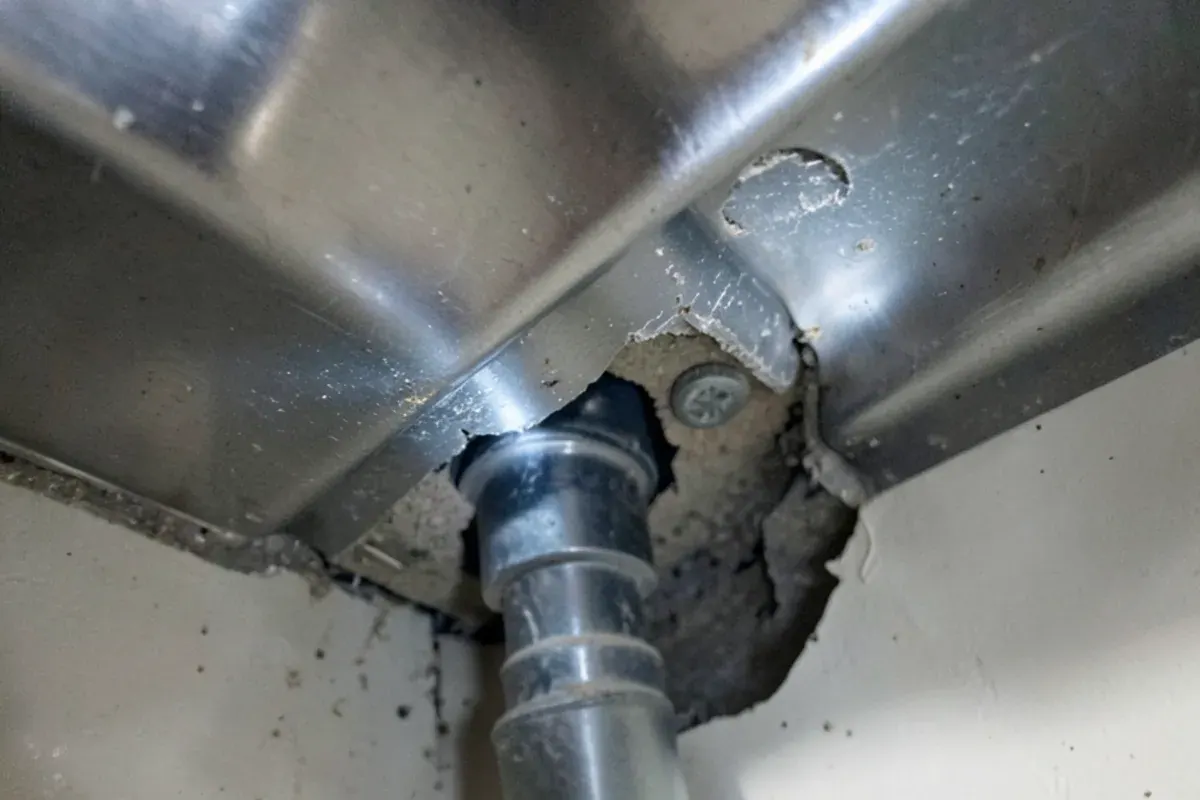
| Under sinks | Pipe holes and escutcheons | Gaps, gnaw marks, moisture |
| Receiving area | Incoming boxes and pallets | Egg cases, chewed packaging |
| Exterior wall base | Weep holes, vents, utility lines | Openings, burrows, grease smears |
| Employee area | Lockers, break room, microwave | Crumbs, hidden food, stored bags |
Report anything on this list to your pest company in the days between visits. A mouse dropping found on the first of the month should not wait for the next scheduled stop.
What should staff do when they spot a pest during service?
Most kitchens have a plan for fires and none for roaches. A short written step list fixes that.
- Note the time, the spot and the pest on the log, with a photo if you can.
- Do not spray store-bought product over food surfaces or near open product.
- Tell the manager on duty, who decides whether the area needs to be closed off.
- Call your pest company that day, so the next visit can be matched to the sighting.
- Check the area after close for more activity, such as droppings or egg cases.
Our guide to the first 24 hours after a restaurant pest sighting covers what to do next in more detail.
What do health inspectors expect to see?
The FDA Food Code, which Ohio's Uniform Food Safety Code is built on, calls for food operations to keep premises free of insects and rodents and to take steps that limit places where they can hide. Local health departments inspect against those rules. A visible pest, droppings or an unsealed opening can show up in an inspection report.
Your checklist and your pest company's service reports are your evidence that you check, act and follow up. Keep both together.
How we use a checklist with restaurant accounts
We do not hand a kitchen a thirty-line form and walk away. We pick the five or six items that fit your building, usually drains, the back door, dry storage and the dumpster, and we ask your closing crew to own them.
Then we compare notes at each visit. If staff reported fruit flies at the bar, we look there first. If a sweep is worn, we say so and point to the spot. We provide documentation after an inspection, and we ask about allergies at each visit.
The checklist is your side of the plan. The visits are ours. A kitchen that does both gets the quiet results.
A checklist has limits. It cannot close a gap at a door frame, replace a broken sweep or fix a drain line that leaks into the slab. If the same item keeps failing, the item is the problem, and the fix is a repair.
Some sightings do not need a visit. One fruit fly at the bar in summer, handled by a wipe-down, does not need a visit. Call when sightings repeat in the same spot, when droppings appear or when staff stop completing the closing items because the list is too long.
Related questions
How often should a restaurant have pest control?
It depends on pest pressure and the building. Many stable kitchens use monthly visits, while older buildings or those with active pests start with biweekly stops. We set follow-ups biweekly, monthly, bimonthly or as needed. A short inspection of the kitchen and exterior shows which rhythm your site needs.
What pests are most common in Columbus restaurants?
German cockroaches, mice, rats and flies top most kitchen call lists, with stored product pests in dry storage. Which one shows up depends on the building and its neighbors. Orkin's 2026 ranking places Columbus No. 15 for rats, so rodents deserve a spot on every checklist.
Who is responsible for pest control in a leased restaurant space?
It depends on the lease. Many tenants carry the interior and the landlord handles shared walls, roofs and exterior grounds, but terms differ. Read the lease, ask the landlord who fixes entry points, and keep written requests. Pests do not follow lease lines, so plan the work together.
Can a checklist replace a pest control contract for a restaurant?
No. A checklist keeps conditions poor for pests, but it does not find hidden entry points, treat wall voids or monitor the exterior. Think of it as your side of the plan. The visits catch what a closing crew cannot see, and the two together give an inspector the evidence they look for.
Print the lists, assign the closing items to a person and keep the notes in one folder. If you want a pest company that works from your checklist, read about commercial pest control or our restaurant pest control page, then call (209) 563-1650. We serve kitchens across Columbus.
Sources
Questions about this? Call the shop.
Tell us what you are seeing and we will tell you what happens next.
- Serving Columbus since 1990
- 4.5★ from 55 Google reviews
- Owner-run, based on Dunning Rd
- One-time or recurring service
Boydes Exterminating Co, 1967 Dunning Rd, Columbus, OH 43219