
Commercial Pest Control
A Property Manager's Guide to Roaches in Multifamily
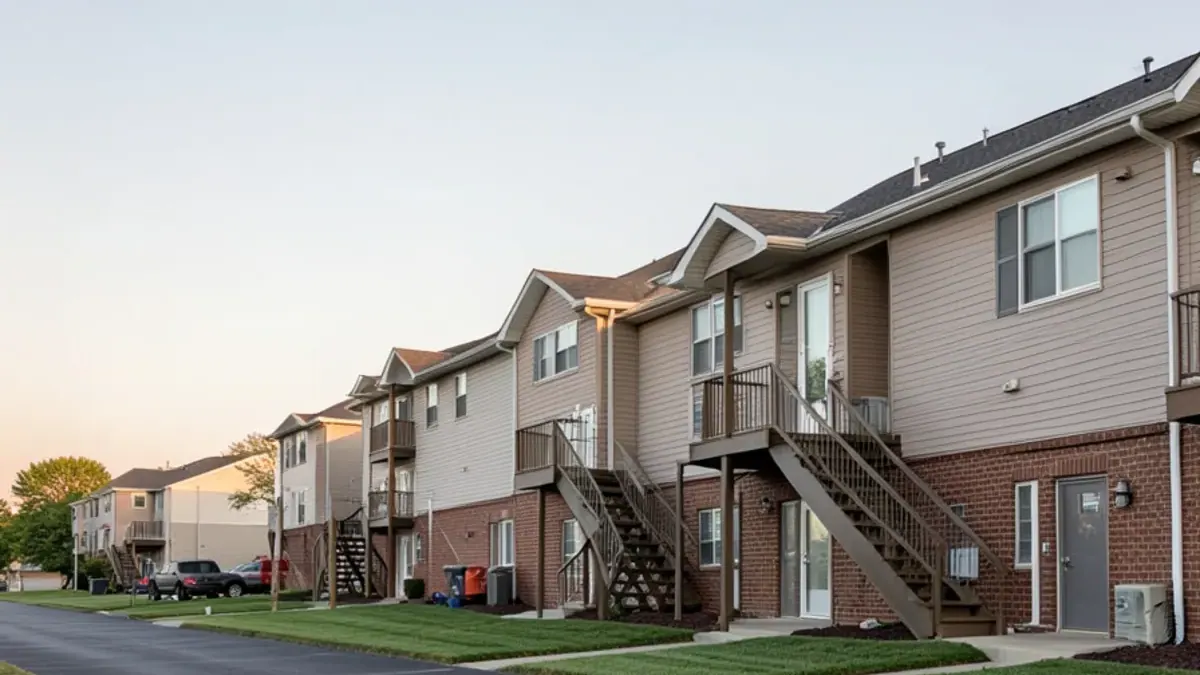
Property manager roach control works when the whole building is treated as one problem, because roaches do not stop at a unit's front door. They travel along pipes, electrical chases and shared walls, so spraying the apartment that complained usually moves the problem next door.
- Serving Columbus since 1990
- 4.5★ from 55 Google reviews
- Owner-run, based on Dunning Rd
- One-time or recurring service
This guide lays out how a manager can plan a building-wide program: inspect, set the scope, prepare residents, treat in a coordinated window, and follow up. Our apartment pest control service runs this way, and the commercial pest control page shows the other property types we handle.
Why does treating one unit rarely solve a roach problem?
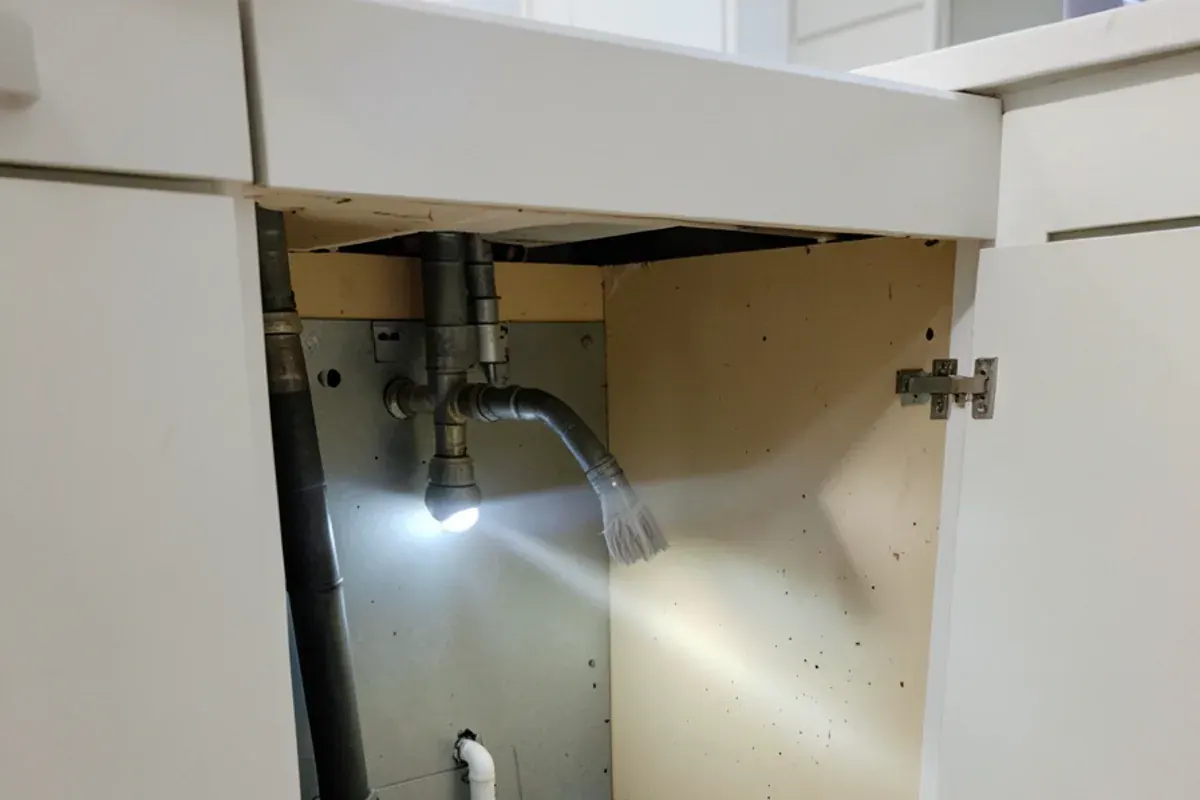
German cockroaches, the usual culprit in apartments, live in warm, damp spots near food: behind refrigerators, inside stove cabinets, under sinks. When a unit is treated alone, survivors and nymphs can slip through gaps around pipes into a neighboring unit, then return when the treatment fades.
That is why a complaint from 3B should lead to a look at 2B, 4B and 3A and 3C. Counting the units that share walls and plumbing with the first one gives you the real scope.
Signs to pass along to maintenance staff include dark specks that look like ground pepper near hinges and cabinet corners, small brown egg cases, a musty odor in a closed kitchen and roaches seen in daylight. Daytime sightings usually mean a crowded harborage, which is a sign the population is large.
Which roach do you have, and why does it matter?
The species sets the plan. German cockroaches are small and tan with two dark stripes behind the head, and they stay in kitchens and baths. Brown-banded roaches are similar in size but climb higher, into cabinet tops, closets and behind picture frames. American and Oriental roaches are larger and tied to basements, drains and trash rooms.
A manager who bags one roach from a unit and shows it to the technician saves a visit. Place it in a sealed container and note the unit and the spot it came from.
Roaches in more than one unit?
Send us the unit count and the complaints so far. We will tell you what an inspection should cover first.
- Serving Columbus since 1990
- 4.5★ from 55 Google reviews
- Owner-run, based on Dunning Rd
- One-time or recurring service
Who is responsible for roaches in a multifamily building?
Columbus Public Health describes a Health Code rule that puts the work of eliminating pests on the owner of a dwelling with two or more units. For managers acting for an owner, that frames the work as a building duty. Other cities set their own rules, and leases vary, so check the code for your address.
Our post on who pays for pest control in an Ohio rental explains how tenant and landlord duties usually fit together. It is general information, not legal advice.
How should a building-wide roach program run?
- Inspect first. Check the reporting unit, its neighbors on all sides, the trash rooms and the laundry area, and note where activity is heaviest.
- Set scope. Decide which units get treatment, which get monitoring and which common areas are included.
- Notify residents in writing. Give the date, the access window, the prep list and a contact for questions.
- Treat in a coordinated window. Treating adjoining units together, inside one week, keeps roaches from relocating.
- Follow up. Return visits catch what hatched or survived the first round, and monitoring shows which units need more.
- Document. Keep the inspection notes, unit lists and access records in the property file.
Follow-ups run biweekly, monthly, bimonthly or as needed, and the rhythm depends on how heavy the first inspection was.
What should residents do to prepare a unit?
Unit prep decides how well treatment works. A prep sheet written in plain language, with a short list, gets better results than a long notice.
- Empty the cabinets and drawers under the sink and near the stove, and the lower cabinets as the notice directs.
- Pull the refrigerator and stove out only if the technician has asked, so you do not scatter roaches.
- Store food in sealed containers, and take out the trash before the visit.
- Clear a path to baseboards, appliances and bathroom plumbing.
- Tell us about pets, young children and allergies, so we can plan around them.
Offer help to residents who cannot move furniture or bag items. A unit that is not prepared gets a partial treatment and keeps feeding the building.
How do you tell if the program is working?
Sticky monitors, placed on a set day, give you numbers instead of impressions. Put them under kitchen sinks, beside the stove and near bathroom plumbing, and count what they catch at each follow-up.
- Falling counts from one visit to the next mean the program is landing.
- Flat counts in one unit point to poor prep, a hidden harborage or a source next door.
- New catches in a clean unit point to travel along a pipe chase from a heavier unit.
- Daytime sightings after the second visit mean a crowded hiding spot that still needs to be found.
Share the counts with maintenance. The pattern across floors often shows which riser or shared wall is the route.
What do tenants and management each control?
| Task | Management | Resident | Pest company |
|---|---|---|---|
| Scheduling and notices | Leads | Responds | Advises |
| Unit prep | Provides guidance | Does the prep | Checks on arrival |
| Sealing pipe gaps and cracks | Handles repairs | Reports damage | Identifies the spots |
| Trash and common areas | Maintains | Uses properly | Inspects and treats |
| Monitoring and follow-up | Coordinates access | Reports sightings | Performs visits |
What building fixes keep roaches from coming back?
Treatment kills the roaches you have. Repairs decide whether new ones arrive. Walk the building with maintenance and look at these spots:
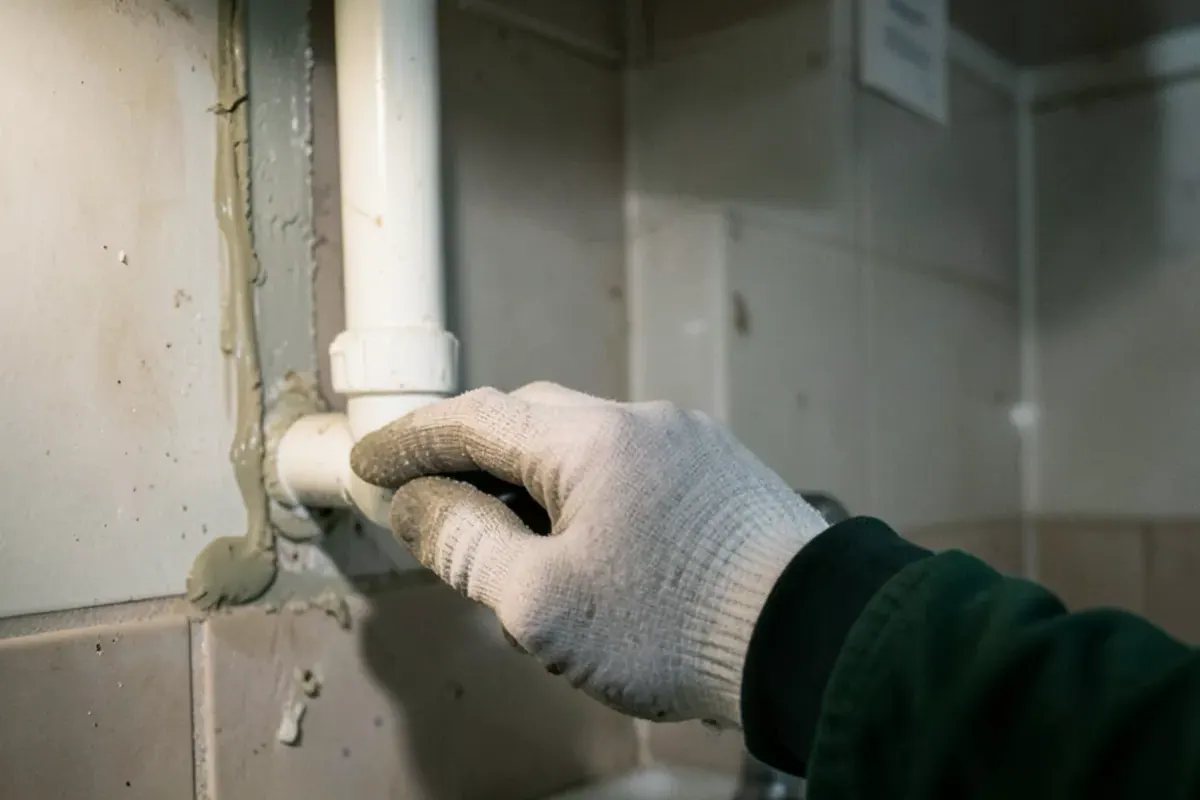
- Gaps around pipes under sinks and in the wall behind the stove, which become highways between units.
- Leaking traps, dripping supply lines and damp cabinet bases that supply water.
- Trash rooms and chutes, where overflow and spilled bags feed roaches and bring in larger species.
- Laundry rooms with cardboard boxes, lint and warm, damp corners.
- Vacant units, which need an inspection and sealing before the next move-in.
Sealing the pipe gaps takes a caulk gun and rodent-proof or crack-filling material, and it can be done at turnover. It will not end a heavy infestation, but it stops the same roaches from walking back through the wall.
How do you handle residents who refuse access?
A single unit that blocks treatment can keep a building infested. Start with a second written notice that explains the reason, and offer a flexible window. Many refusals come from embarrassment or fear of the lease, so a calm phone call from management helps.
If access is still denied, check your lease and local code with your attorney about next steps. We treat and document. The enforcement side is yours.
What we tell apartment managers up front
Managers often ask us to treat the unit that called. We will, but we also say what it likely means for the next doors. Looking at the neighbors is part of the price discussion, not an add-on we spring later.
We work with apartment managers across central Ohio, and the programs that settle fastest are the ones with clear resident notices and a manager who sticks to the schedule. Reviewers mention honest advice and fair pricing, and we explain the price before work starts.
We cover American, German, brown-banded and Oriental cockroaches. Each prefers different spots, so the inspection tells us which one you have before we plan the visit.
A program has limits. If a unit is heavily cluttered or a leak keeps feeding a cabinet, the roaches return no matter how well we treat. We say so, and we ask management to deal with the cause with the resident.
A call is not always the answer. One large American cockroach in a basement trash room after a rainstorm is not a building plan. Call when you see small roaches in daylight, egg cases, or sightings in more than one unit.
Related questions
How long does it take to clear roaches from an apartment building?
It depends on the species, the heaviness and how well residents prep. German cockroach programs generally need several visits over weeks, not a single stop. A first inspection shows how widespread activity is, and monitoring after treatment shows which units need extra attention.
Should we treat every unit or only the ones with sightings?
Treat the units with activity and the ones that share walls, floors or plumbing with them, and monitor the rest. Treating only the complaining unit tends to push roaches next door. An inspection of adjacent units gives you the facts to decide the scope without treating the whole building by default.
Do Reynoldsburg apartment buildings get the same service?
Yes. We serve Reynoldsburg, roughly 15 minutes from our Dunning Rd base, with the same inspection, notice, treatment and follow-up stages used in Columbus. The local housing rules may differ from Columbus, so check the code for the city your building sits in.
How should a manager handle a vacant unit next to a roach complaint?
Inspect it. A vacant unit with a dripping trap or open pipe gaps can hold a population with nobody to report it. Include it in the coordinated treatment window, seal the gaps and check it again before the next move-in. Skipping empty units is a common reason a building keeps re-infesting.
Plan the building, not the unit. Start with an inspection of the reporting unit and its neighbors, then set the scope, notify residents and schedule follow-ups. Read about apartment pest control and commercial pest control, or call (209) 563-1650. We serve Columbus and Reynoldsburg.
Sources
Questions about this? Call the shop.
Tell us what you are seeing and we will tell you what happens next.
- Serving Columbus since 1990
- 4.5★ from 55 Google reviews
- Owner-run, based on Dunning Rd
- One-time or recurring service
Boydes Exterminating Co, 1967 Dunning Rd, Columbus, OH 43219