
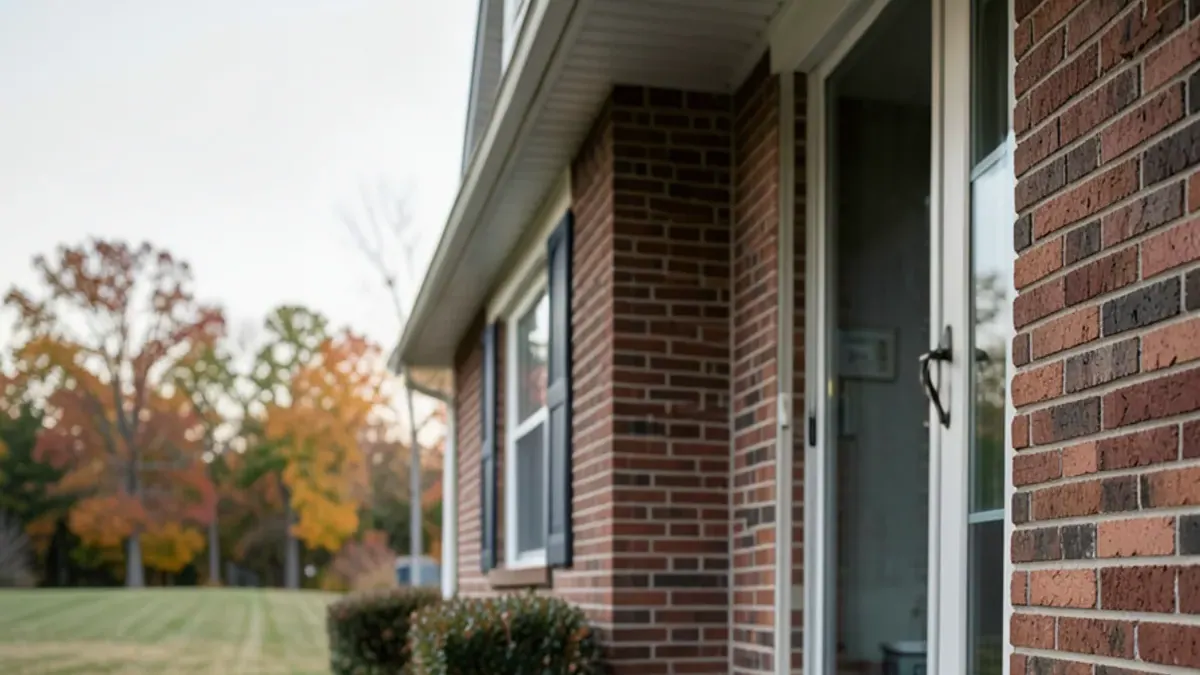
Pest Control Services
Does Homeowners Insurance Cover Pest Damage in Ohio?
Does homeowners insurance cover pest damage? In most cases, no. Standard policies commonly treat termites, insects and rodent damage as a maintenance issue, so the repair bill, and often the cost of treatment, lands on the homeowner. A sudden covered event that follows can be different.
- Serving Columbus since 1990
- 4.5★ from 55 Google reviews
- Owner-run, based on Dunning Rd
- One-time or recurring service
This is general information, not advice on any particular policy. Wording varies by insurer, so read your own policy and ask your agent before you assume anything either way.
Does homeowners insurance cover termite damage?
Termite damage is the classic example of a loss that standard policies tend to exclude. The reasoning is that termites work slowly over months or years, and insurers view slow, preventable damage as upkeep rather than an accident.
The same logic usually applies to other wood-destroying insects, including carpenter ants and carpenter bees. If the policy lists "insects" or "vermin" in its exclusions, damage from them is likely on you. Treatment is typically excluded too, so the cost of stopping the pest is yours as well as the cost of the repair.
What happens when termite damage turns up during a home sale?
Ohio requires a company that does wood-destroying insect inspections for real estate sales to hold an ODA Pesticide Business License (Ohio Department of Agriculture). Buyers should check that license in ODA's public lookup before they rely on the report. A report that finds damage before closing gives you room to ask for repairs or a lower price. Damage found after closing usually belongs to the new owner, and the policy will probably not pick it up.
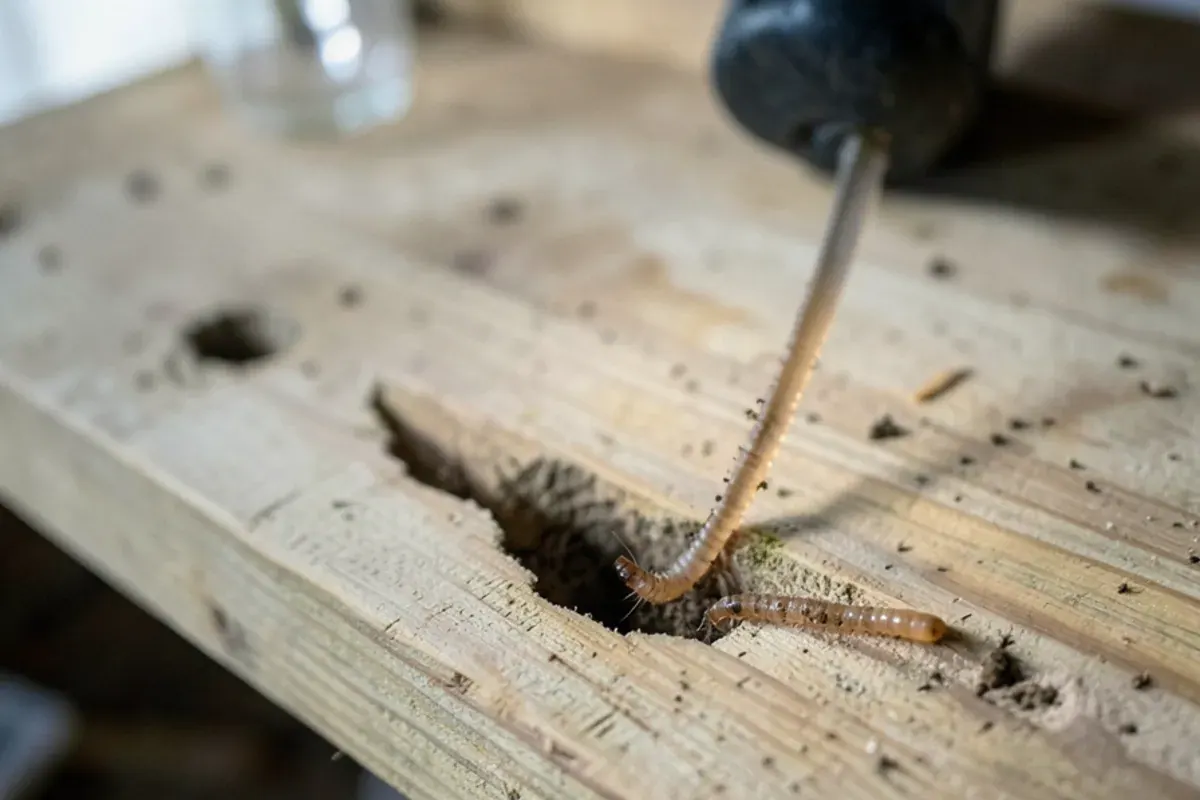
Found signs of damage?
Tell us what you see and where. We will talk through what an inspection covers and what you can document before repairs.
- Serving Columbus since 1990
- 4.5★ from 55 Google reviews
- Owner-run, based on Dunning Rd
- One-time or recurring service
How are rodent and insect problems usually handled?
Rodents get similar treatment. Gnawed insulation, chewed ductwork and contamination in an attic or wall are commonly written off as wear, tear or neglect. Mice and rats are usually grouped with the vermin exclusions.
| Problem | Common treatment | Question to ask your agent |
|---|---|---|
| Termite damage | Excluded as slow, preventable damage | Is hidden damage found at sale or repair treated differently? |
| Carpenter ants or bees | Excluded under insects | Is any sudden damage that follows covered? |
| Mice or rat damage | Excluded under vermin or neglect | Does a resulting fire or leak fall under a covered cause? |
| Bed bugs and roaches | Usually not a covered loss | Is there any optional endorsement for pests? |
When might pest-related damage still be covered?
The exclusion usually targets the pest and the gradual damage, not every event that follows. A policy may respond to a sudden covered cause even if a pest played a part in it. A fire that starts after rodents chew wiring, or water damage after an insect-damaged pipe support fails, are the kinds of cases people raise with their agent.
Whether a claim like that is paid depends on the policy language and the insurer's investigation. We cannot predict it. What we can say is that photos, dates and a written record of what a pest inspection found make the conversation easier, whichever way it goes.
What does a record of the damage need to show?
Claims turn on facts: what happened, when you found it, and what it did. Keep the items below together in one folder, paper or digital:
- Dated photos of the damage and of the pest evidence, taken before anything is cleaned or removed.
- The written inspection report, with the date and what the inspector saw.
- Repair estimates and receipts, kept separate from treatment invoices.
- Notes on when you first noticed the problem and what you did next.
What should you check in your own policy?
Pull the policy and look for these items before a problem forces the question:
- The exclusions section, for the words termites, insects, vermin, rodents and wear and tear.
- Any wording about "ensuing loss" or "resulting damage" that restores coverage after an excluded event.
- Whether the policy offers an optional endorsement or add-on for pest-related loss.
- Your duties after a loss, including how soon you must report and what you must keep as evidence.
- Whether a recent inspection report, or the lack of one, affects renewal or claims.
The Ohio Department of Insurance publishes consumer information on how homeowners policies work and how to file a complaint if you think a claim was handled wrongly.

Is pest damage handled differently for renters and landlords?
Yes. A renter's policy usually protects your belongings, not the building, so a pest problem in the structure points back to the owner. Columbus Public Health places pest elimination in a multi-unit building on its owner. That duty comes from the health code, not from an insurance policy.
Landlords who own a rental face the same exclusions as any homeowner for the building itself. Pest work on a rental is a maintenance cost in most policies, so owners plan for it as an operating expense. Tenants who lose belongings to pests should ask their agent whether their renter's policy lists the pest in its exclusions, and send the landlord written notice at the same time.
What should you do if an insurer denies a pest claim?
A denial is the start of a conversation, not the end of one. Work through it in order:
- Ask for the denial in writing and find the policy wording it relies on.
- Compare that wording with your own policy, especially any ensuing loss language.
- Send the insurer your photos, inspection report and repair estimates, and ask it to review again.
- If the answer stays the same, contact the Ohio Department of Insurance about filing a complaint.
- For a large loss, consider speaking with an attorney who handles insurance disputes.
The Ohio Department of Insurance regulates insurers and takes consumer complaints about how claims are handled. It is a regulator, not a court, so it cannot promise a payment. Even so, a complaint puts the insurer's reasoning on the record, and your paper trail does the work.
How do you keep pest damage from becoming an uncovered repair?
Since the cost usually falls on you, the cheaper path is catching problems while they are small. Mud tubes on a foundation wall, sawdust piles under a wooden beam, droppings in a garage and a scratching sound in a wall are all early warnings.
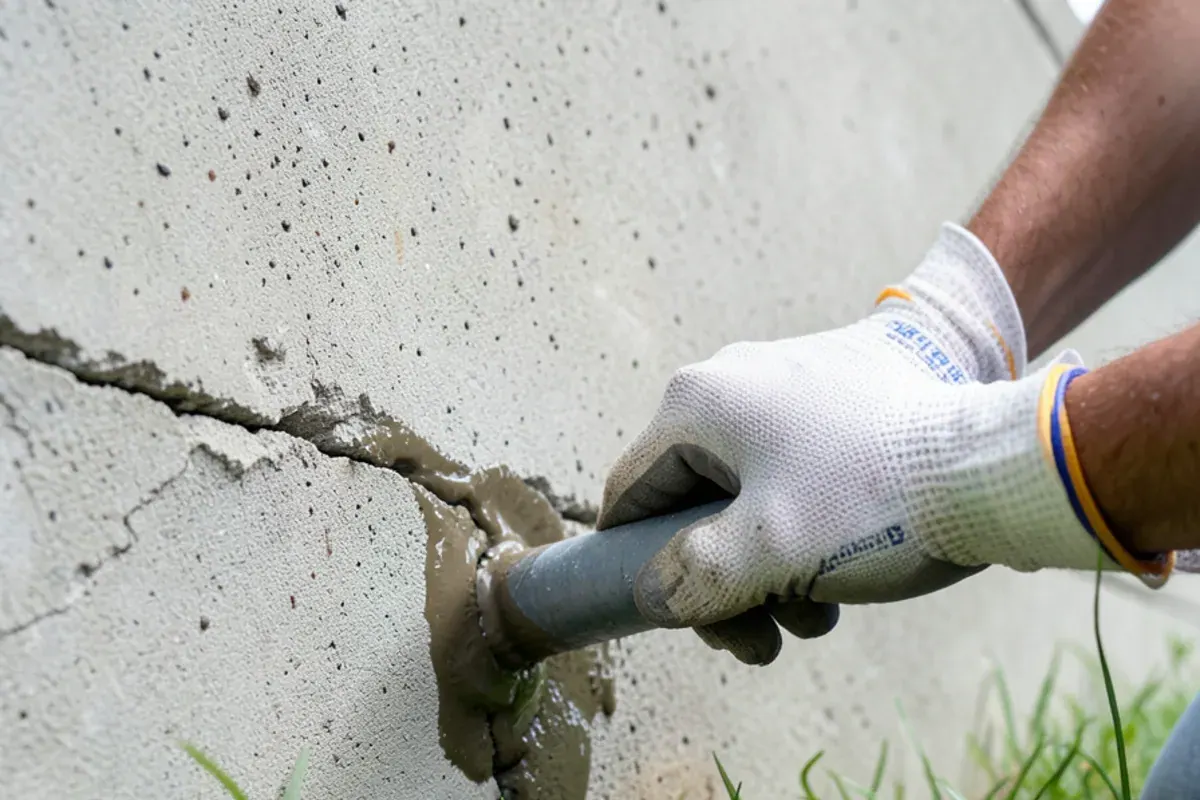
Sealing gaps is the quiet workhorse. Columbus Public Health points to Columbus Health Code §221.03, which expects dwellings to be kept free of rodents and insects and says openings of half an inch or more within 48 inches of ground level should be sealed. Our pest exclusion and sealing work targets exactly those openings. For buyers and sellers, a termite inspection puts the condition of the wood on paper.
A seasonal walk-around helps too. Check the foundation, the attic, the crawl space and the spot where utilities enter the house, and photograph anything unusual with a date. Those photos cost nothing, and they turn a vague memory into a record if you ever need one.
Age matters here. Roughly 188,000 Columbus homes were built before 1978, about 45% of the city's units (Census ACS), and older foundations and vents give pests more ways in. That link between age and risk is our read from the trade, not a statistic. If you own an older house in Columbus, walk the foundation each fall.
What we tell customers about claims
We are not insurance advisors, and we do not tell anyone whether a claim will be paid. That conversation belongs with your agent and your policy.
What we do offer is documentation after an inspection, so you have a dated record of what was found and where. Do not throw away evidence, such as damaged wood or droppings, until you have photographed it and talked to your agent about reporting. Call about the pest and the policy in parallel, because waiting on one tends to delay the other.
If you are buying a house, ask for the wood inspection before you close. Damage found before the sale gives you room to negotiate. Damage found after the sale is usually yours to fund.
Know where this advice stops. Policies differ, and a rider or a sudden covered event can change the answer, so a rule of thumb is no substitute for your own wording. Our documentation shows what we found. It does not show that a loss is covered.
Calling us is not always the right first step either. If the damage is old, dry and shows no sign of activity, such as a beam that was chewed years ago, your agent and a contractor come first. If you see live insects, fresh droppings or moving mud tubes, call us when you call your agent.
Related questions
Does home insurance pay for pest control treatment?
Usually not. Treatment to remove a pest is generally considered maintenance, so the cost is the homeowner's. A few policies sell an optional add-on, so check yours or ask your agent. If you rent, the landlord's duty to handle pests may matter more than your renter's policy, and Columbus Public Health sets rules for multi-unit owners.
Is termite damage covered if I did not know about it?
Not typically. Many policies exclude termite damage whether or not you knew about it, because the exclusion rests on the cause, not on your awareness. Read the wording, and ask your agent whether discovery at purchase or repair is handled differently. A wood inspection before you buy is the practical protection.
Should I report pest damage to my insurer before I fix it?
Ask your agent first, and photograph everything before repairs. Policies set duties for reporting and for preserving evidence, and those vary. Reporting a claim can also affect future premiums, so many homeowners call the agent for guidance before filing. Keep the inspection record and any repair estimates together.
Does a renter's policy cover pest damage in an Ohio apartment?
Usually not for the building. A renter's policy typically protects your belongings, and pest-related loss may still sit inside its exclusions, so ask your agent. Pest elimination in a Columbus multi-unit building falls to the owner (Columbus Public Health), so send your landlord written notice with dated photos.
Insurance rarely pays for pests, so prevention and early action carry the weight. If you want a look at your home, call (209) 563-1650 and describe what you have found. Start with our overview of pest control in Columbus or read about termite inspections. We serve Franklin County and nearby communities.
Sources
- Ohio Department of Insurance, consumer information on homeowners coverage
- Columbus Public Health, Columbus Health Code §221.03 on rodent and insect control
- Ohio Department of Agriculture, Pesticide Business License rule for wood-destroying insect inspections and public lookup
- Columbus Public Health, Columbus Health Code owner duty for dwellings of two or more units
- U.S. Census Bureau, American Community Survey, Columbus housing units built before 1978
Questions about this? Call the shop.
Tell us what you are seeing and we will tell you what happens next.
- Serving Columbus since 1990
- 4.5★ from 55 Google reviews
- Owner-run, based on Dunning Rd
- One-time or recurring service
Boydes Exterminating Co, 1967 Dunning Rd, Columbus, OH 43219