
Bed Bug Control
Bed Bug Treatment Prep: A Room-by-Room Checklist
A bed bug prep checklist comes down to four jobs: strip and launder what can be washed, bag what you have cleaned, clear floors and walls so every seam is reachable, and leave everything in the room where it is. Skip any one of them and the odds of a second treatment go up.
- Serving Columbus since 1990
- 4.5★ from 55 Google reviews
- Owner-run, based on Dunning Rd
- One-time or recurring service
The list below goes room by room. Your method decides the details, so if we gave you instructions for your job, those win over anything written here.
What are the house rules before you touch anything?
Three habits protect you in every room. They sound minor and they cause most of the trouble when ignored.
- Do not carry items from the infested room into clean rooms. Bugs ride along.
- Do not spray, fog or wipe furniture with alcohol first. Those moves scatter bugs and cloud the inspection.
- Keep sleeping in your own bed unless told otherwise, since moving rooms gives bugs a new home.
If you are unsure whether you have bed bugs, get a bed bug inspection before prepping. There is no point hauling laundry for something else.
Need a hand with the heavy lifting?
Tell us what you can and cannot do. We will talk through a plan, including a preparation service if prep is a barrier.
- Serving Columbus since 1990
- 4.5★ from 55 Google reviews
- Owner-run, based on Dunning Rd
- One-time or recurring service
How do you prep a bedroom for bed bug treatment?
The bedroom gets the most work, because that is where the bugs live. Work in this order so nothing gets put back into an area you have not finished.
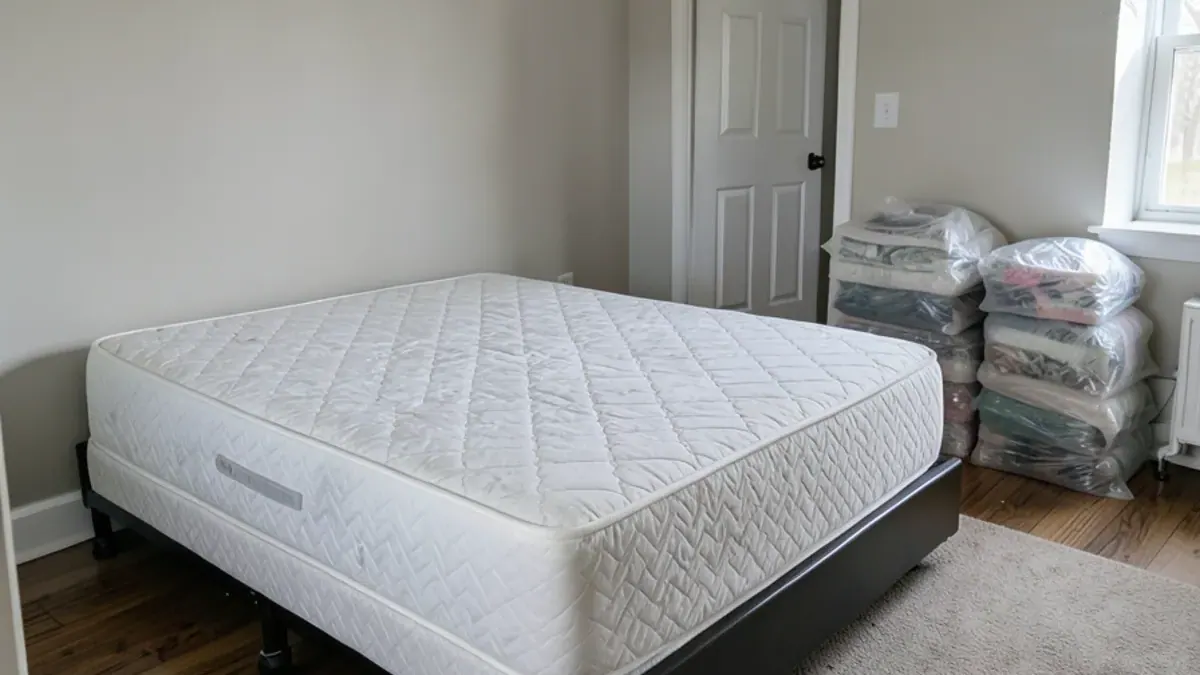
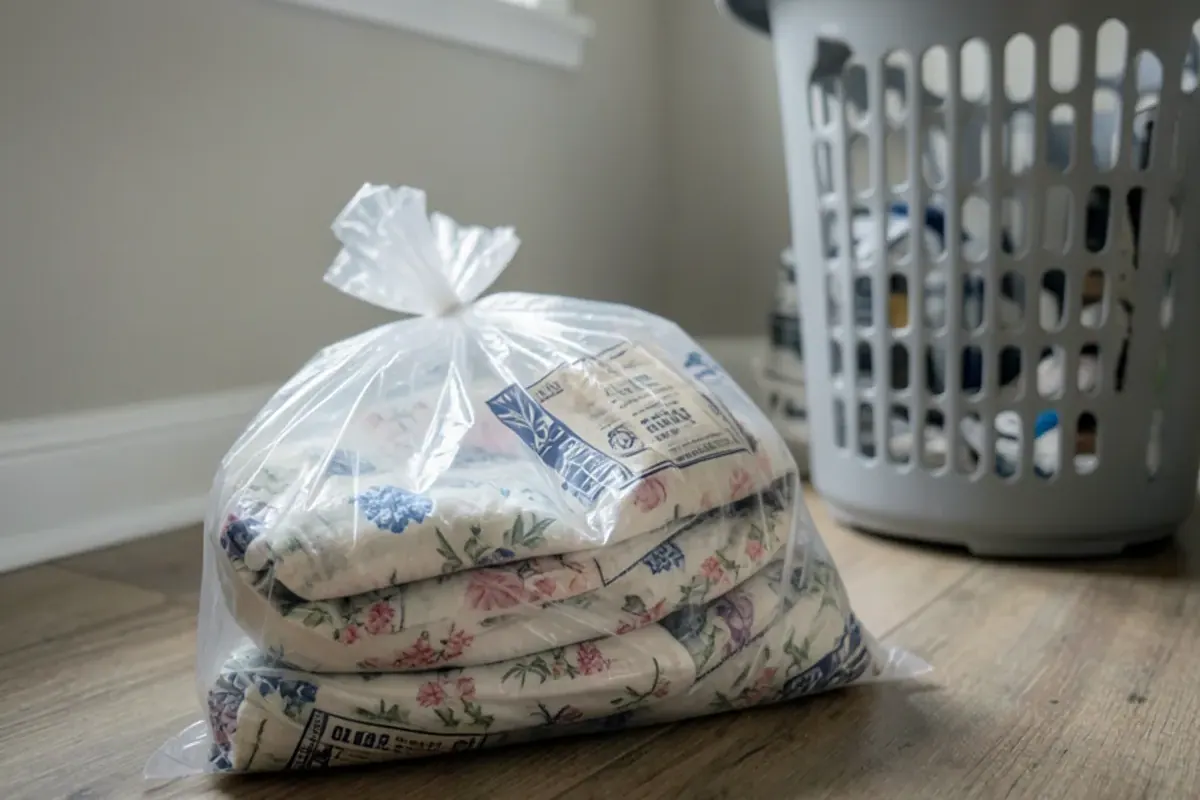
- Strip the bed and bag the bedding where you stand. Carry the bag directly to the washer.
- Empty nightstands and dressers. Clothes go into bags for laundry, and small items go into sealed bins.
- Clear the floor under the bed. Nothing should be stored there during treatment.
- Pull the bed a foot or so from the wall and take pictures, mirrors and curtains down.
- Leave the mattress on the frame unless we ask you to lift it. Do not drag it through the house.
- Hold off on mattress encasements until we tell you the time is right.
Our bed bug preparation service covers this room by room for people who cannot lift or sort heavy loads.
What about the living room, closets and other rooms?
Bed bugs favor places where people sit or sleep, so rooms with couches, recliners and guest beds are on the list. We tell you which rooms apply to your job.
| Room | Do this | Leave this alone |
|---|---|---|
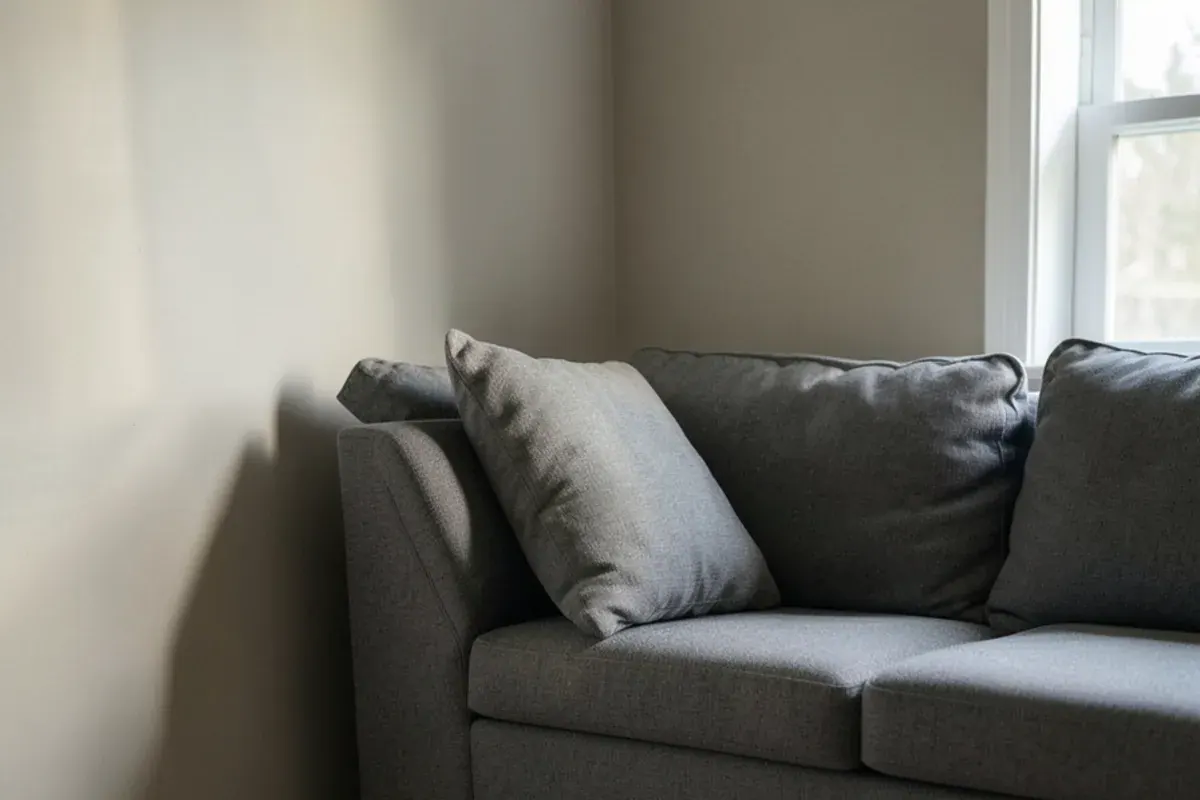
| Living room | Remove cushions, pull furniture from walls, bag throw blankets for the dryer | Electronics, which stay where they are |
| Closets | Empty the floor, launder and bag hanging clothes from affected rooms | Clean clothes from untouched rooms |
| Kids' rooms | Dry stuffed animals, tell us about cribs and sleep plans | Heavy toys that will not fit in bags |
| Kitchen and dining | Clear counters if we ask | Food and dishes, unless we say they are on the list |
| Entryways | Move shoes and bags into the dryer cycle if the material allows | Coats hanging by the door, until you have asked us |
How do you handle laundry for bed bug prep?
The dryer kills bed bugs, and the washer mostly rinses. Run washable items through a full dryer cycle on the hottest setting the fabric allows, and give it at least 30 minutes. EPA and university extension guidance point to the same threshold.
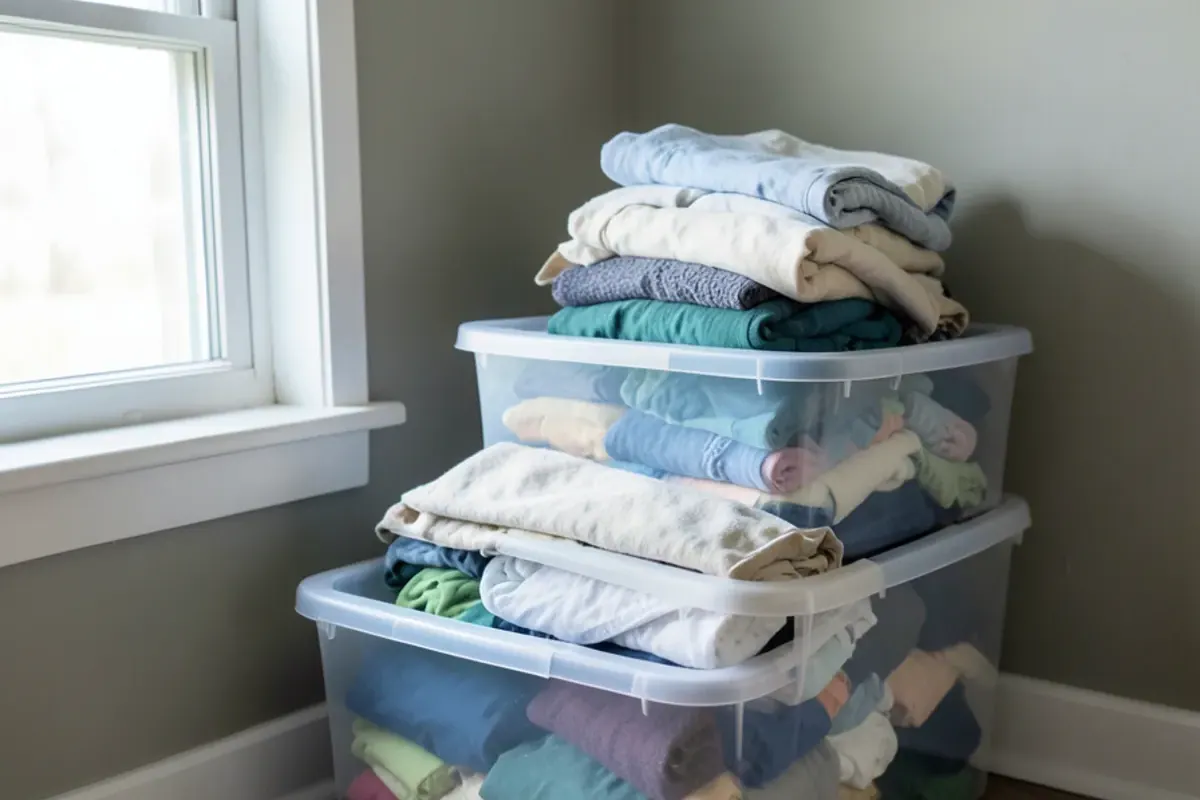
Move dried items into new, sealed bags or lidded tubs, not back to a drawer. Keep them sealed until we say it is time to open them. Delicate items that cannot take heat can go into a sealed bag, and you can ask us how to handle them for your method.
What do you do with items that cannot go in a dryer?
Shoes, handbags, books and electronics make up most of this group. Ohio State University Extension lists a high-heat dryer cycle, at or above 130 degrees Fahrenheit for 30 minutes, for clothing and bedding, and many hard items can ride in the dryer for that time if the material allows. Anything that cannot take heat goes into a sealed bag or lidded tub and stays in the room until we have looked at it. Ask before you toss anything.
Should you throw out furniture before treatment?
Usually not. EPA advises throwing out furniture only if the bed bugs cannot be safely eliminated from it. A discarded couch leaves hiding places behind it, costs money and may carry bugs down a stairwell. If a piece does have to go, EPA says to make it unusable by ripping the covers and removing the stuffing, then mark it so no one else takes it.
What should you do the day before and the morning of treatment?
A short timeline keeps the work from piling up. Adjust it to the dates we give you.
- Two days before: start laundry from affected rooms, and buy bags and lidded tubs. Wash and dry in small batches so the dryer is never overloaded.
- The day before: finish the dryer cycles, seal clean items, clear floors and pull furniture from the walls.
- The morning of: vacuum the mattress seams, baseboards and carpet edges, then seal the vacuum bag tightly and put it in an outdoor trash container, as EPA advises. Arrange for pets and any family members who need to be elsewhere.
- During the visit: stay out of the treated rooms until the technician says it is time, and keep sealed items closed.
- After the visit: leave bagged clothes sealed until you are told the date, and keep your interceptor cups clear if you were asked to place them.
If the timeline looks like too much, split it. Prepping one room well beats prepping three rooms halfway. Tell us what is left undone when we arrive, since a partial prep can still go forward with a plan for the rest.
How does prep change for an apartment or a different method?
In a shared building, tell the landlord or manager about the date. Carry bags through hallways sealed, go directly to machines and never fold laundry on a shared table. Our apartment bed bug treatment page explains who needs to be involved.
Method changes the list. Heat treatment asks you to remove or protect heat-sensitive items, and Aprehend has its own protocol that does not always call for bagging everything. A residual course follows the longer path of repeated visits. Wait for the instructions for your method before you rearrange the house.
What we see go wrong with prep
The two biggest causes of a second visit are belongings moved to other rooms and clean items that went back to open drawers. Both are easy to fix once you know. Both feel natural at the time.
We ask what you can physically do, and we do not judge the answer. If heavy lifting is out, say so, and we can plan around it. Clutter slows the visit down, so clear what you can and tell us where the rest is.
We also ask about pets, infants and allergies at each visit, and we give you the re-entry time from the label when it applies. Plan for your animals to be elsewhere during the work. Read the plan with us before the day, not on it.
Perfect prep is not the bar. A home with the bed stripped, the floors clear and the laundry bagged is ready, and we can work around a few boxes we are told about. The goal is access to seams and baseboards, not a showroom.
There are trade-offs with a preparation service. It costs money and a few hours of someone else in your belongings, and it saves a failed visit for people who cannot lift or sort. For a small, tidy bedroom, doing it yourself with this list is usually enough.
Calling is not needed to ask whether a particular sock goes in the dryer. Use this list, and call when your home, your health or your method does not fit it.
Related questions
Do I need to bag everything before bed bug treatment?
Not always. Bagging applies to items from affected rooms that go through laundry, and the details depend on the method. Heat and Aprehend have their own protocols. Wait for the instructions we give for your job, and do not start moving belongings from room to room, which can carry bugs to clean areas.
Can I stay home during bed bug treatment?
That depends on the method. For chemical work, people and pets stay out until the re-entry time on the label, which we provide. Heat means leaving the unit for the day. We ask about infants, pets and allergies when you book, so the plan fits your household before the visit.
What if I cannot do the prep myself?
Tell us. We offer a preparation service for people who cannot lift mattresses, empty closets or haul laundry, and the cost depends on how much there is to move. Heavy clutter without a plan can force a return trip, so it is better to plan for help than to guess on the day.
How long do I keep my clothes bagged after treatment?
Until we tell you, and the date depends on the method. A residual course runs over several weeks with follow-up visits, so bagged items may stay sealed through part of it. Ask for the date when you book, and plan a few outfits in a sealed tote that you can wear while the rest waits.
Should I vacuum before bed bug treatment?
Yes, lightly, unless your instructions say otherwise. EPA advises vacuuming after each use, sealing the bag as tightly as possible and putting it in an outdoor trash container right away. Vacuuming can remove bugs but does not end an infestation. Aprehend has its own protocol, so confirm before you vacuum baseboards that may be treated.
Good prep turns a stressful week into a short list. Read our bed bug control overview, look at the full bed bug preparation page, and call (209) 563-1650 to book your inspection or ask about help with the work. We serve all of Columbus.
Sources
Questions about this? Call the shop.
Tell us what you are seeing and we will tell you what happens next.
- Serving Columbus since 1990
- 4.5★ from 55 Google reviews
- Owner-run, based on Dunning Rd
- One-time or recurring service
Boydes Exterminating Co, 1967 Dunning Rd, Columbus, OH 43219